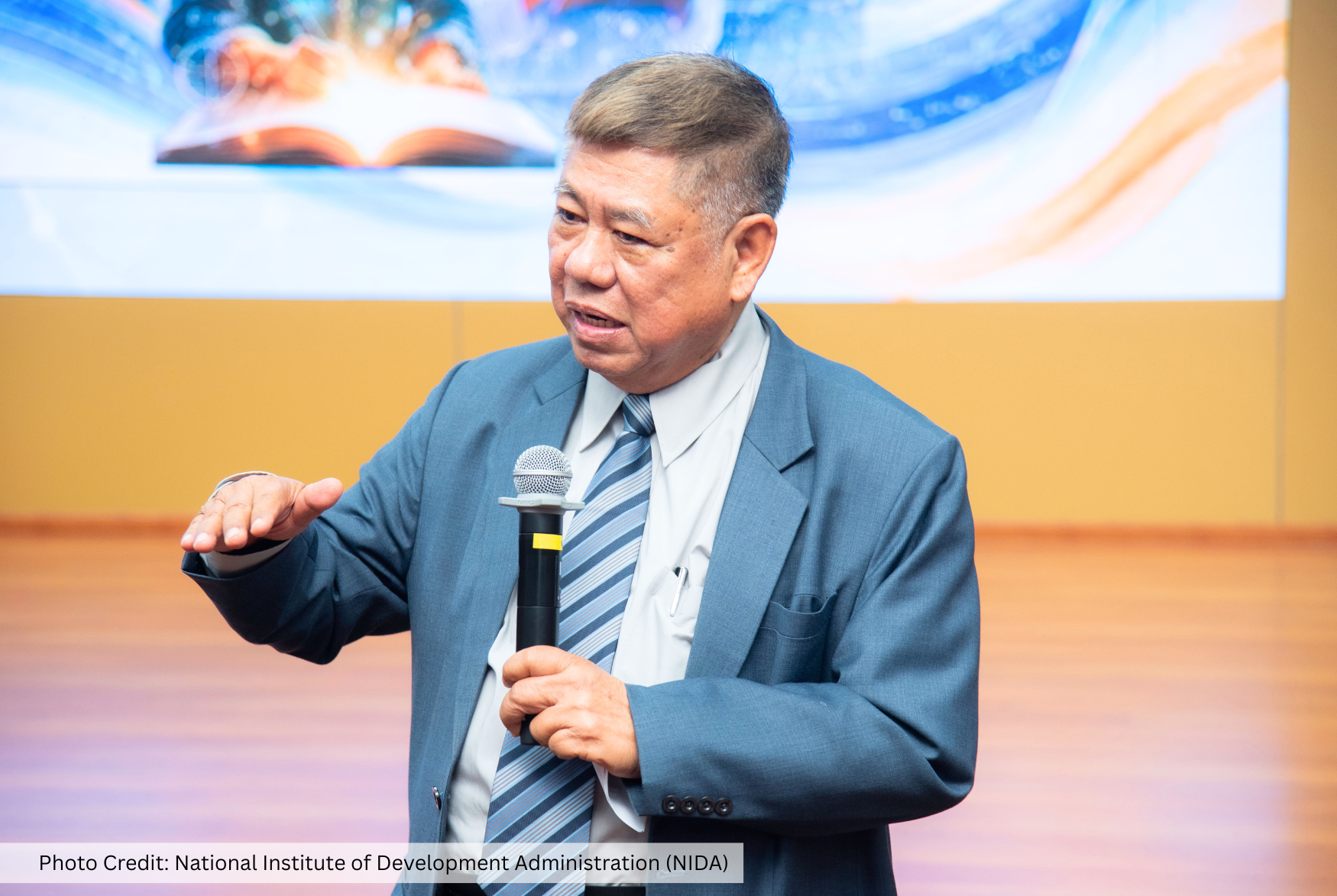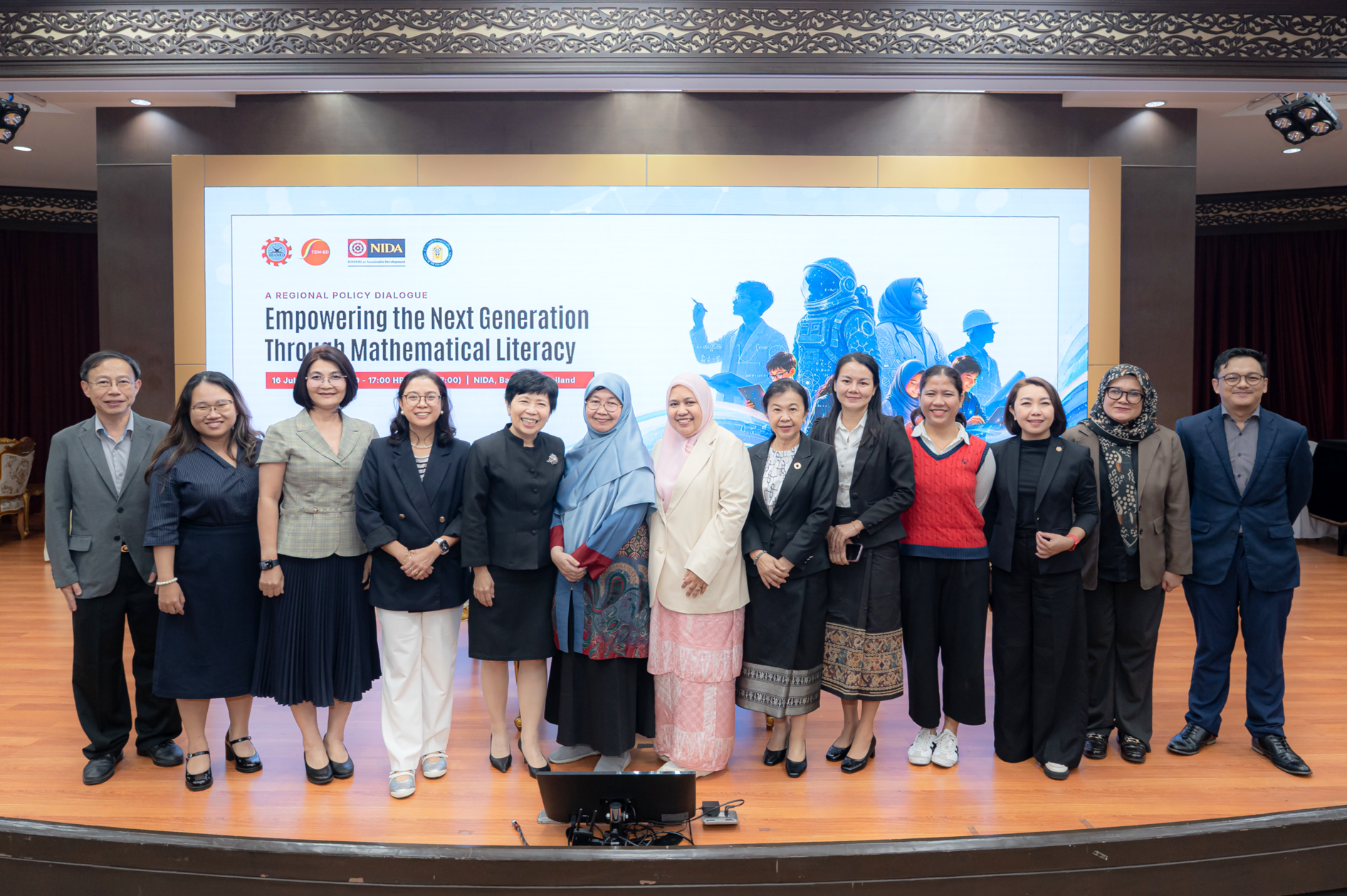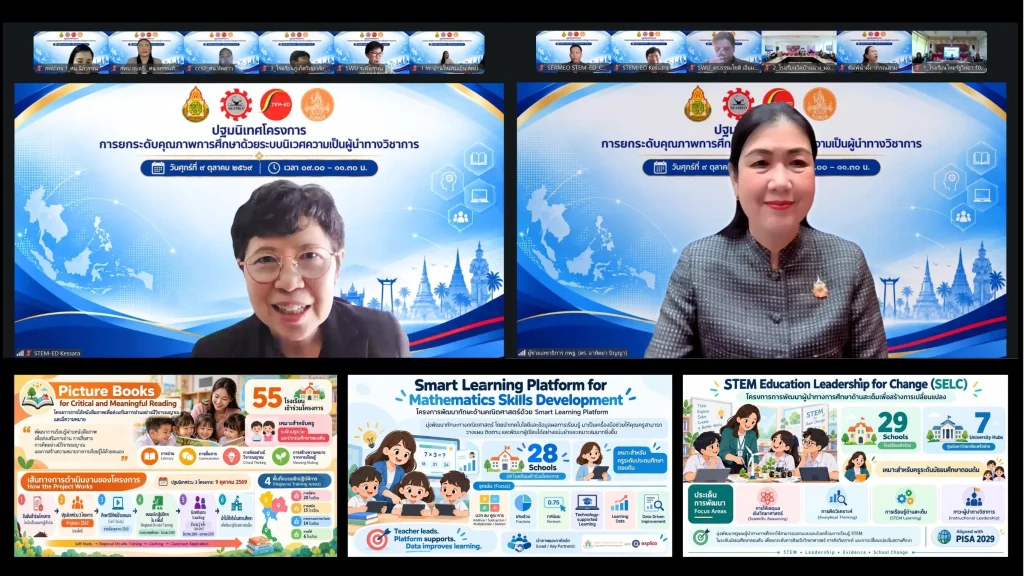
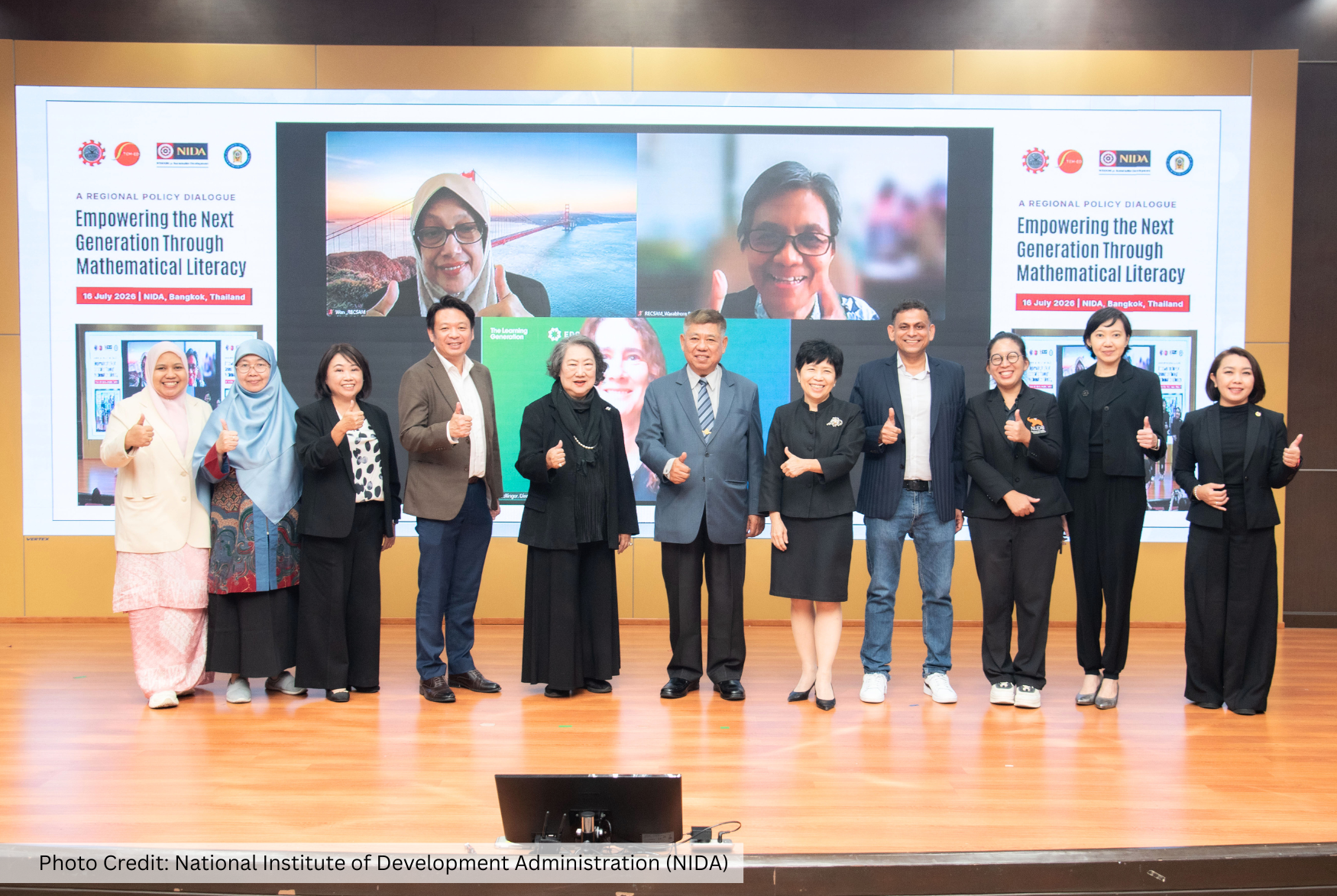
Bangkok, Thailand – SEAMEO STEM-ED, in collaboration with the National Institute of Development Administration (NIDA), convened the Policy Dialogue: Empowering the Next Generation Through Mathematical Literacy on 16 July 2026 in Bangkok, Thailand. The dialogue brought together policymakers, education leaders, researchers, teacher educators, development partners, universities, and education technology providers to explore how evidence-informed policies, innovative pedagogies, and emerging technologies can strengthen mathematics education across Southeast Asia.
The dialogue served as a regional platform to exchange research findings, implementation experiences, and policy perspectives on improving mathematical literacy while ensuring that teachers remain at the centre of educational innovation. the discussions, participants explored how artificial intelligence (AI), adaptive learning technologies, computational thinking, and collaborative professional development can complement effective pedagogy to prepare learners with the mathematical reasoning, problem-solving, and critical thinking skills needed for the future.
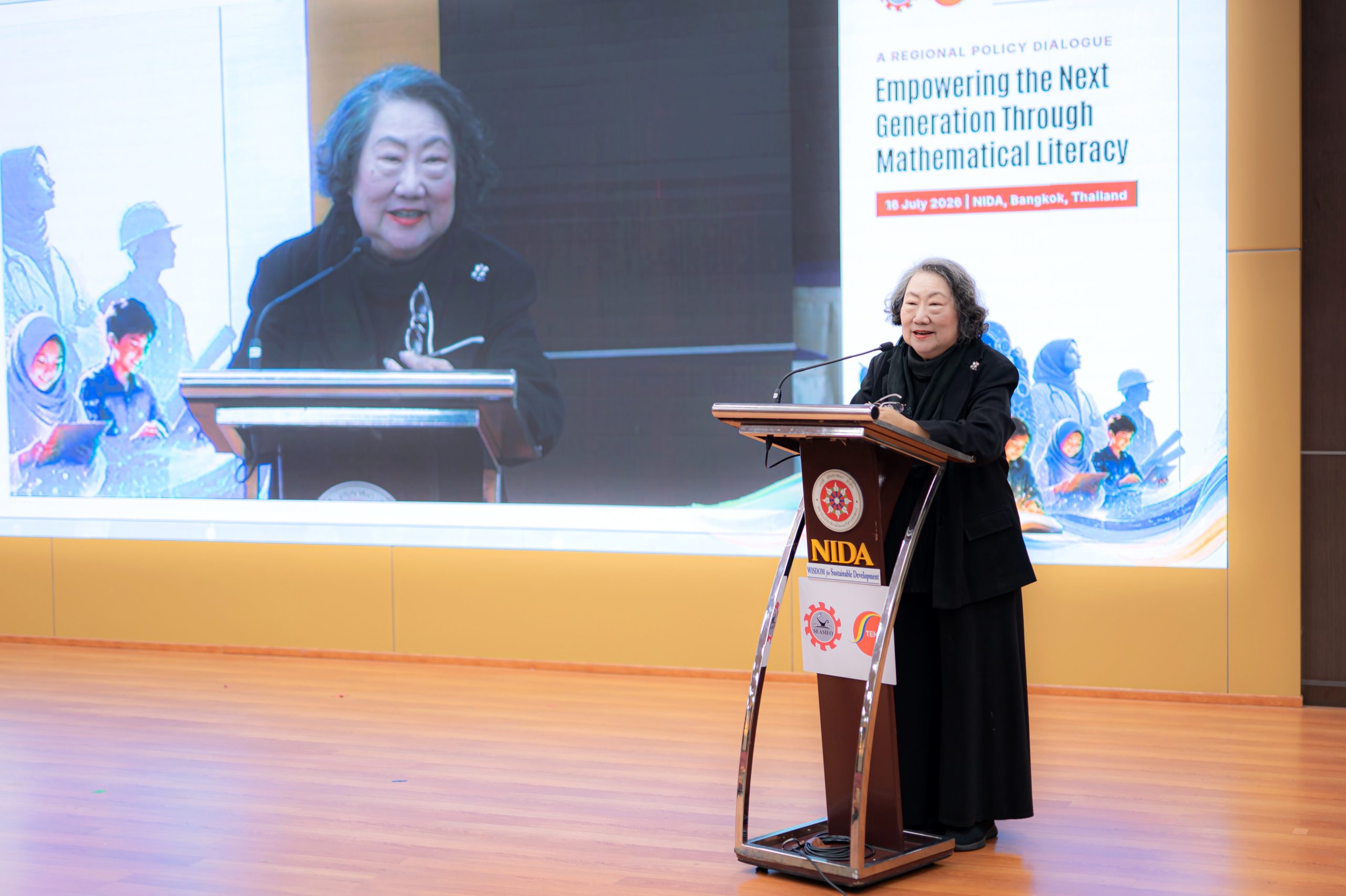
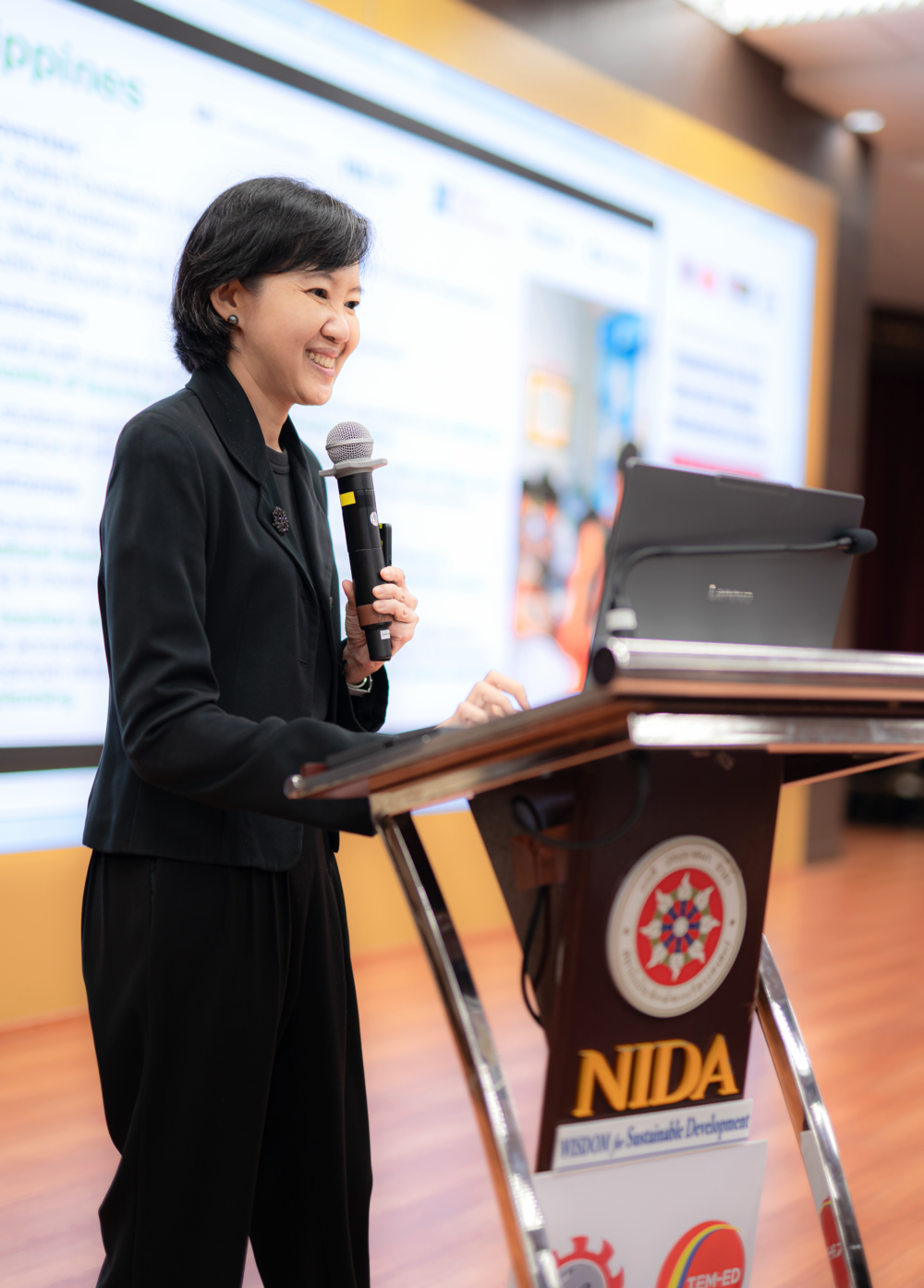
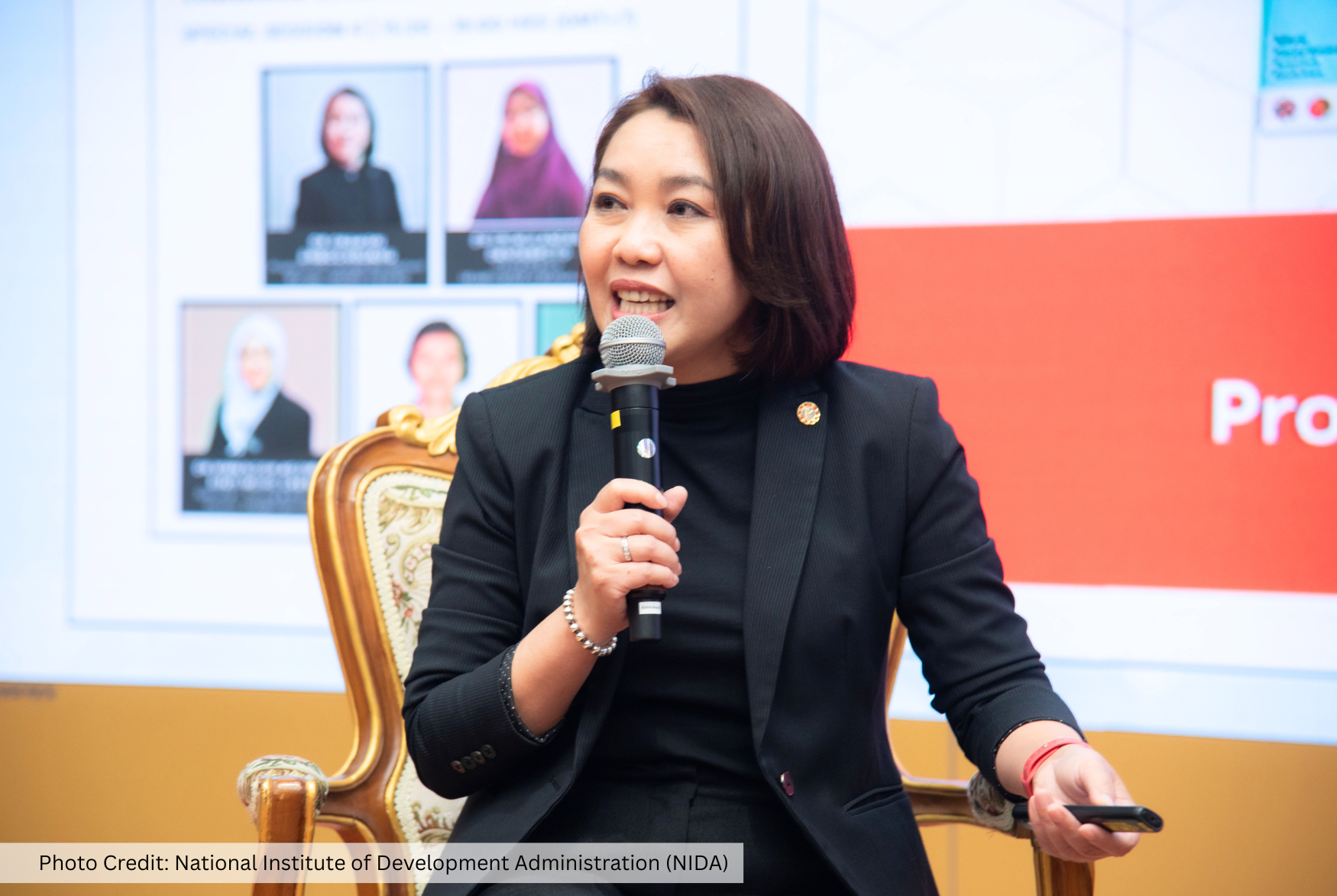
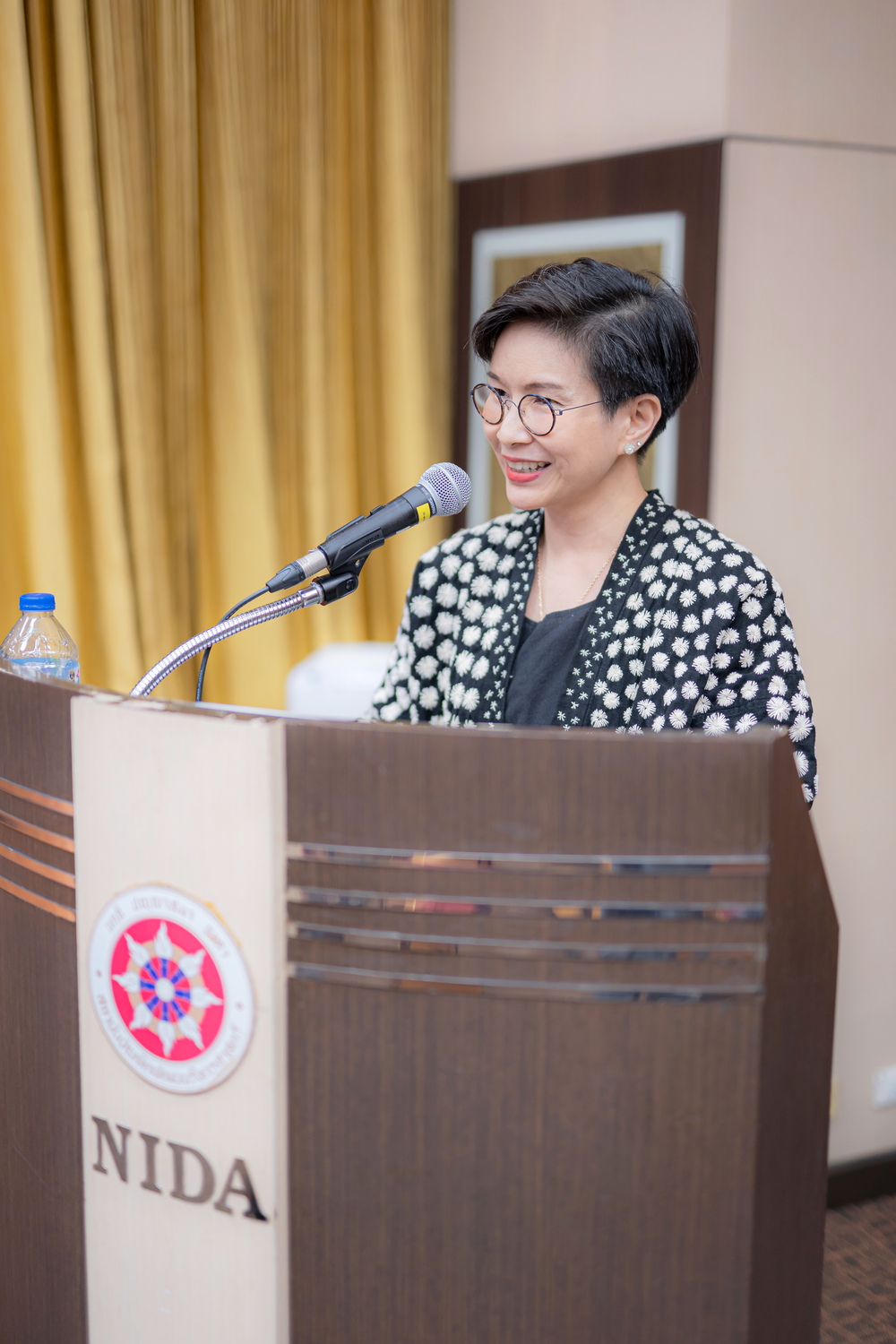
Setting the tone for the Policy Dialogue, Assoc Prof Dr Juri Vijit Watagan, Chairperson of NIDA, highlighted the importance of regional collaboration in advancing evidence-informed policies and practices for mathematics education.
Framing the dialogue as an opportunity to translate evidence into meaningful educational action, she emphasised that lasting improvements in education depend on coherent systems, trusted and well-supported teachers, evidence-informed decision-making, and solutions that respond to diverse local contexts while ensuring equitable opportunities for all learners. She also underscored the importance of preparing learners for an AI-driven future by nurturing critical thinking, ethical values, and human reasoning alongside academic achievement, while encouraging greater participation of girls in mathematics and STEM education.
Reaffirming NIDA's commitment to regional and international collaboration, she expressed confidence that the dialogue would strengthen partnerships, deepen shared understanding, and inspire collective action to advance excellence, equity, and innovation in mathematics education across Southeast Asia.
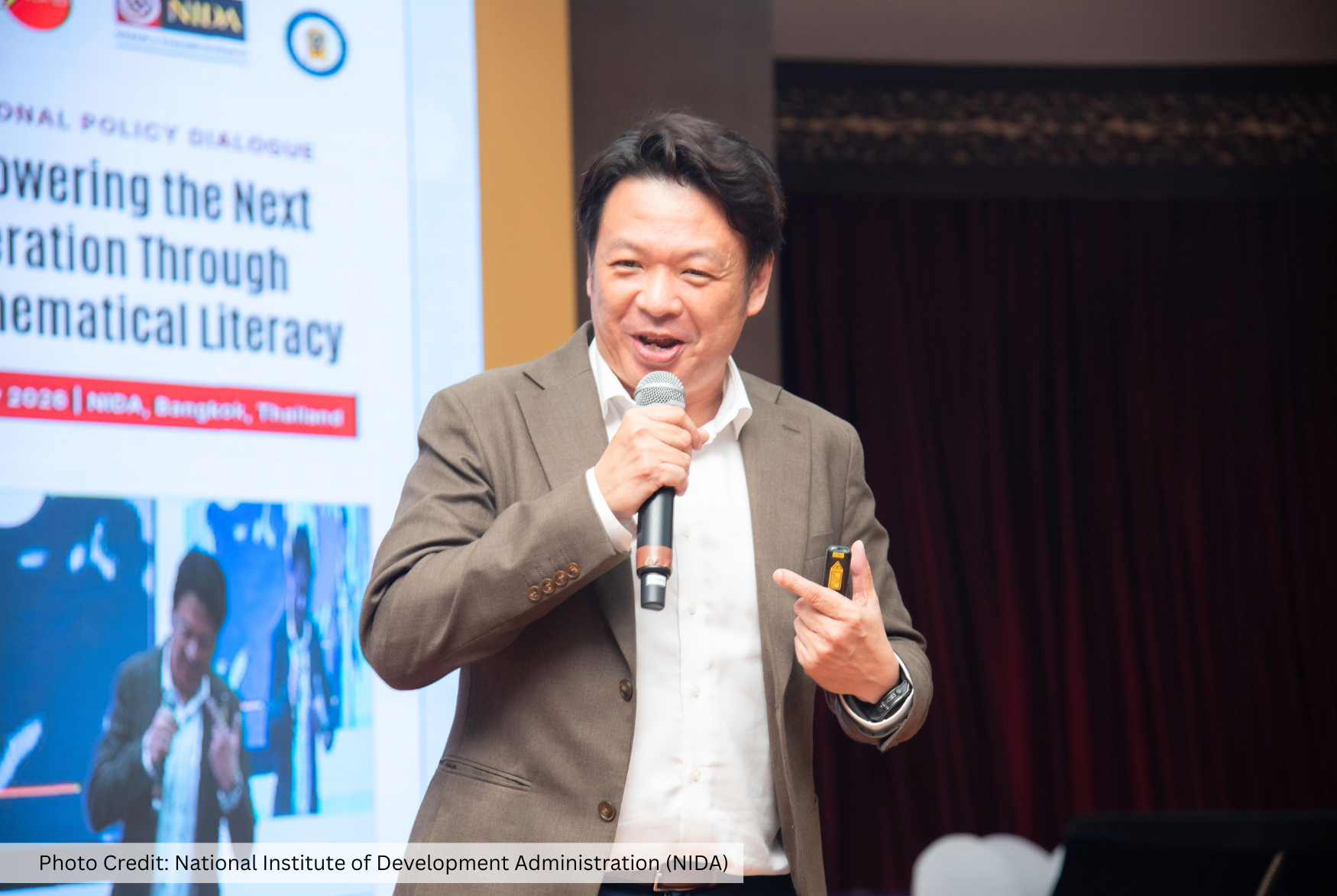
The dialogue opened with presentations by Mr Lim Soon Jinn, Head of Education, and Ms Leong Phooi Qwan, Deputy General Manager and Publisher, Marshall Cavendish Education, who shared perspectives on strengthening mathematical literacy through high-quality curriculum design, purposeful pedagogy, and classroom practices.
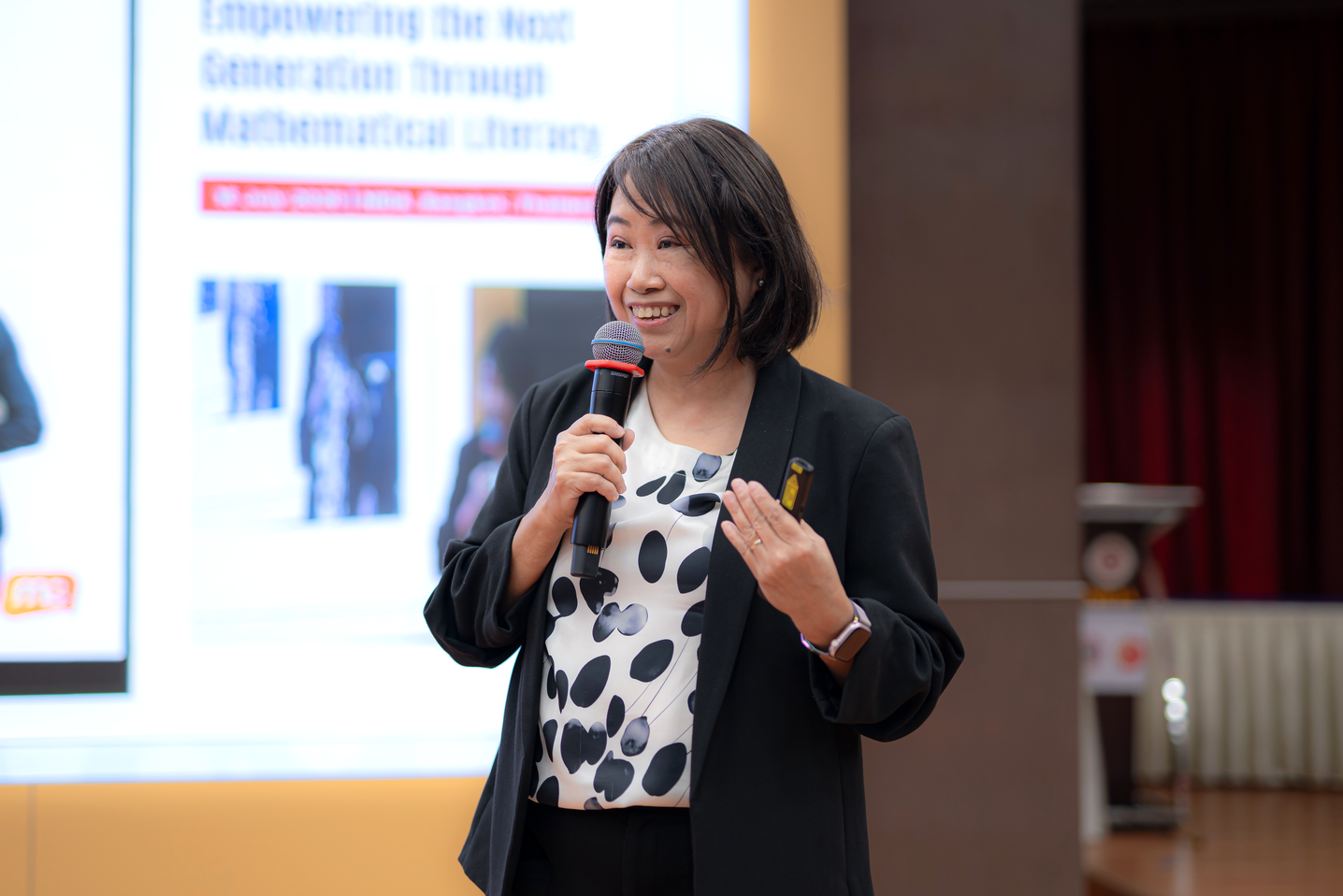
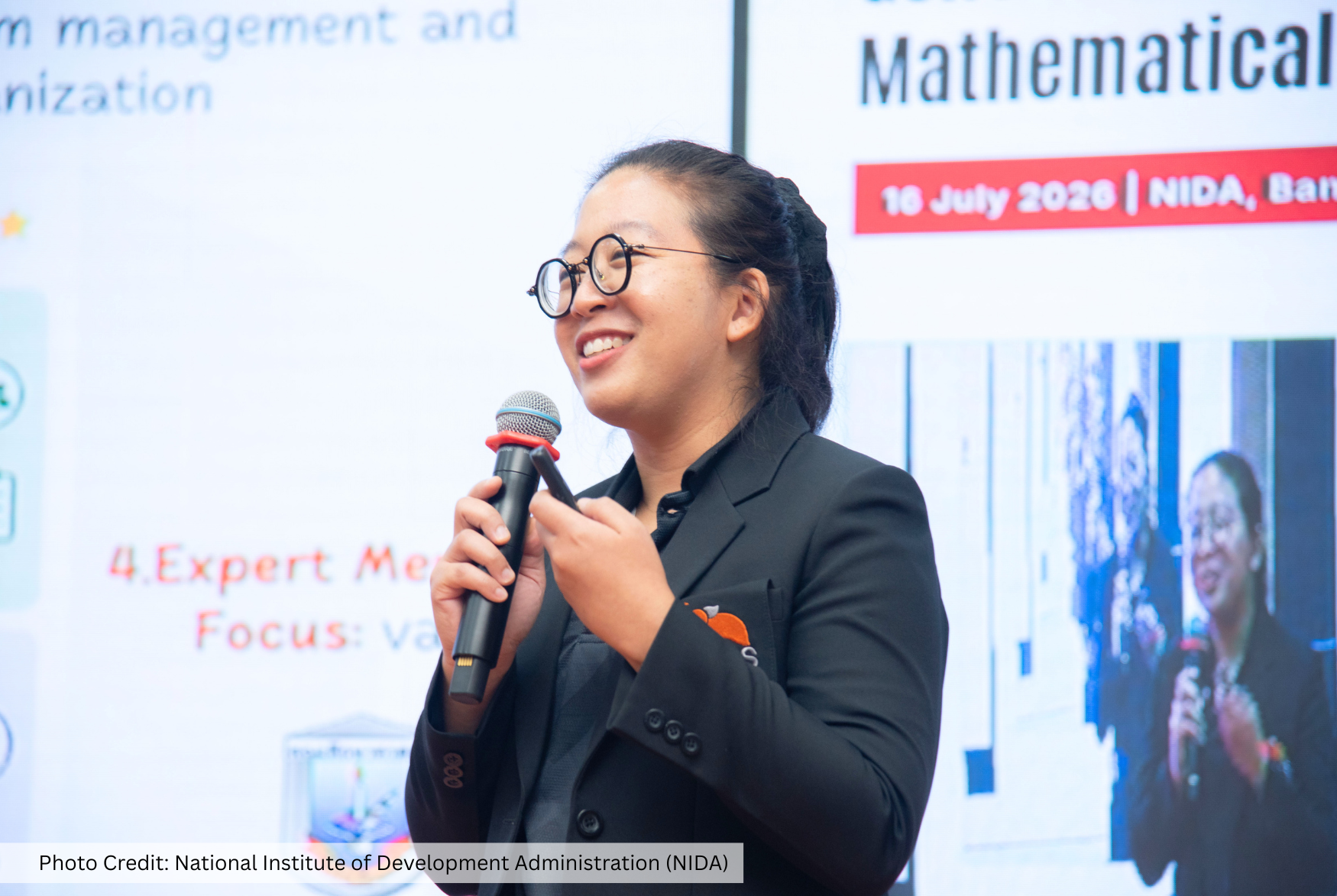
Building on this foundation, Ms Leong Phooi Qwan shared how Marshall Cavendish Education's curriculum resources and professional learning programmes are designed to support teachers in implementing these pedagogical approaches. She highlighted practical strategies, including mathematical questioning and "math talk", that encourage deeper student thinking while strengthening conceptual understanding alongside procedural fluency.
Together, the presentations reinforced that meaningful mathematics learning extends beyond mastering formulas and algorithms. Developing higher-order thinking requires well-designed learning experiences, strong teacher capacity, and instructional approaches that enable students to reason, communicate, and apply mathematical concepts in authentic contexts.
The second session explored how AI-supported assessment and learning technologies can make students' strengths, learning gaps, and progress more visible to educators.
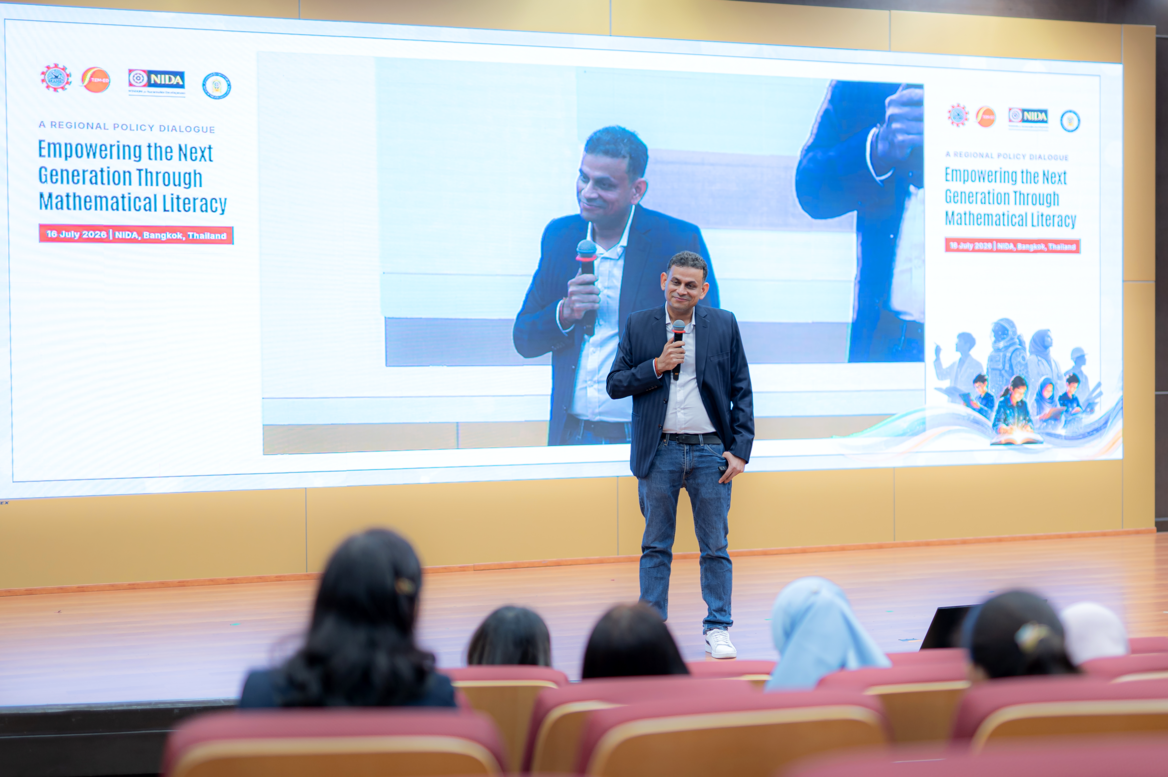
Mr Ashutosh Shukla, Chief Executive Officer, Chief Technology Officer, and Founder of Explico, demonstrated how adaptive assessment platforms can align with national curricula while providing teachers with detailed learning analytics to support differentiated instruction. Drawing on implementation experiences across multiple countries, he explained the importance of curriculum alignment, localisation, multilingual adaptation, and continuous teacher support in ensuring successful implementation.
Complementing the technology perspective, Ms Suparat Chuechote, Faculty Member at the Faculty of Education, Naresuan University, shared an early implementation experience of AI-supported mathematics learning with primary school students. Rather than focusing solely on assessment results, the school used learning data to better understand students' mathematical thinking, learning behaviours, confidence, persistence, and self-directed learning.
She demonstrated how teachers combined online assessment with classroom reflection activities and active parental engagement to create a learning ecosystem that supports independent learning. Learning analytics enabled teachers to identify conceptual misconceptions, monitor student progress, and design targeted classroom interventions while encouraging students to become more reflective and responsible learners.
The discussion also highlighted the importance of localisation, equitable access, offline learning options, and ensuring that technology enhances rather than complicates teachers' daily practice.
The third session demonstrated that technology alone cannot improve learning outcomes without strong pedagogy and teacher capacity.
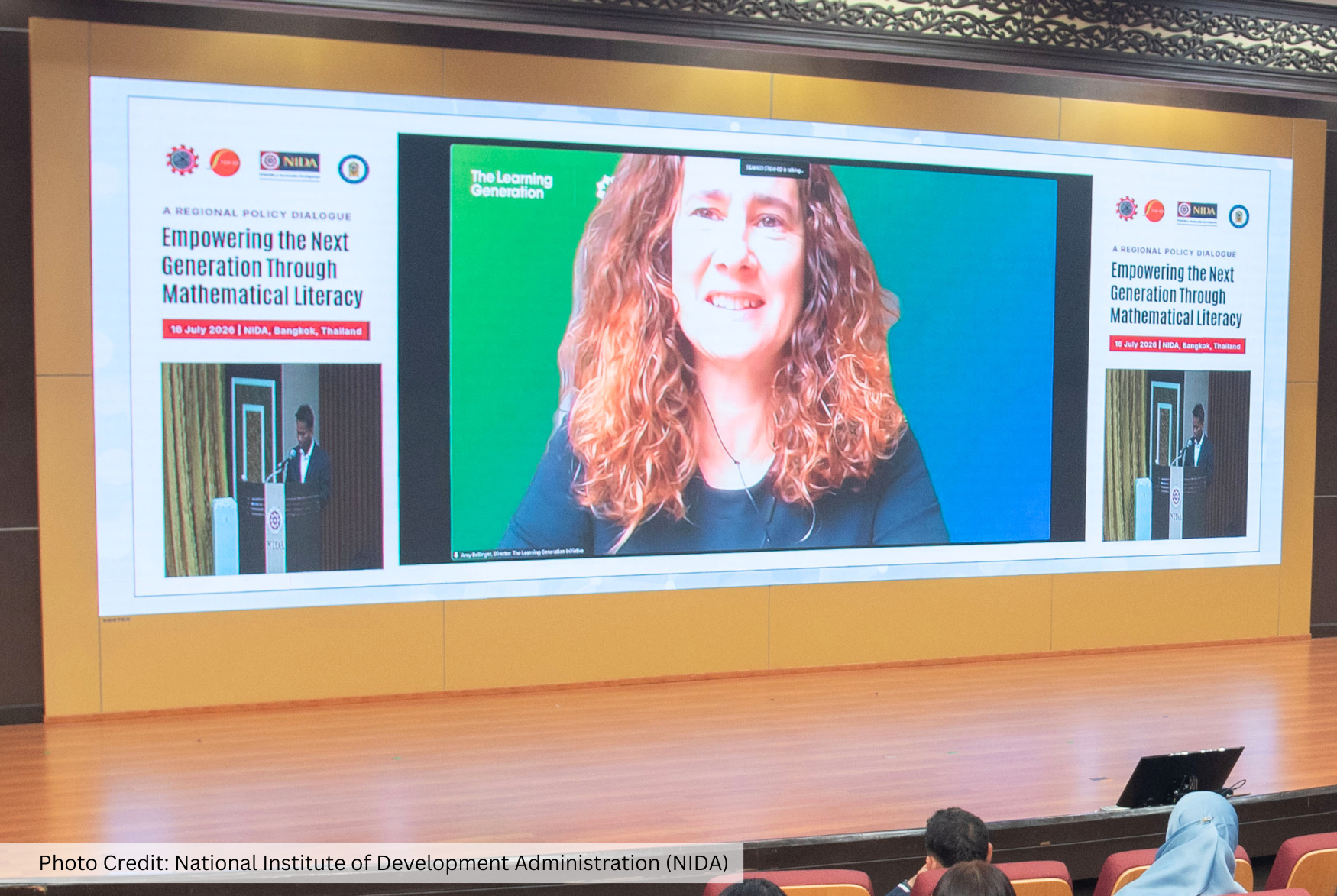
Ms Amy Bellinger, Director of the Learning Generation Initiative at Education Development Center (EDC), introduced the High Touch High Tech (HTHT) approach, which combines adaptive learning technologies with teacher-led personalised instruction. Rather than replacing teachers, the approach uses learning data to help educators group students according to learning needs, provide targeted interventions, facilitate collaborative learning, and nurture higher-order thinking skills.
Building on this framework, Ms Sattiya Langkhapin, Chief of Party for High Touch High Tech for All at Education Development Center (EDC), presented implementation experiences from Uruguay, Vietnam, Cambodia, and the Philippines.
Across the different country contexts, evaluations consistently demonstrated improvements in student mathematics achievement, particularly among lower-performing learners, while teachers reported greater confidence in differentiated instruction, stronger use of learning data, increased collaboration with peers, and improved student engagement. The Cambodia and Philippines case studies further illustrated how the approach could be successfully implemented in low-resource environments through strong partnerships, teacher coaching, community engagement, and infrastructure support.
The session emphasised that successful scaling depends not on adopting a specific technology platform, but on strengthening teacher capacity to interpret learning data, personalise instruction, and continuously refine classroom practice. Speakers also underscored the importance of evidence-informed technology selection, curriculum alignment, sustainable implementation, and ongoing professional learning communities.
The fourth session showcased a collaborative regional initiative on Unplugged Computational Thinking in Mathematics Education, jointly led by several SEAMEO Centres together with international university partners.
Dr Orawan Sriboonruang, Programme and Knowledge Management Manager at SEAMEO STEM-ED and a 2026 Fulbright U.S.-ASEAN Visiting Scholar at the MIT Media Lab, introduced the development of the regional Unplugged Computational Thinking Guidebook, created through collaboration among SEAMEO STEM-ED, SEAMEO QITEP in Mathematics, SEAMOLEC, SEAMEO RECSAM, the University of Tsukuba, Khon Kaen University, and the University of Chile. Since 2023, the initiative has been piloted in Thailand, Indonesia, the Philippines, Lao PDR, and Malaysia using Lesson Study as a core professional learning approach.
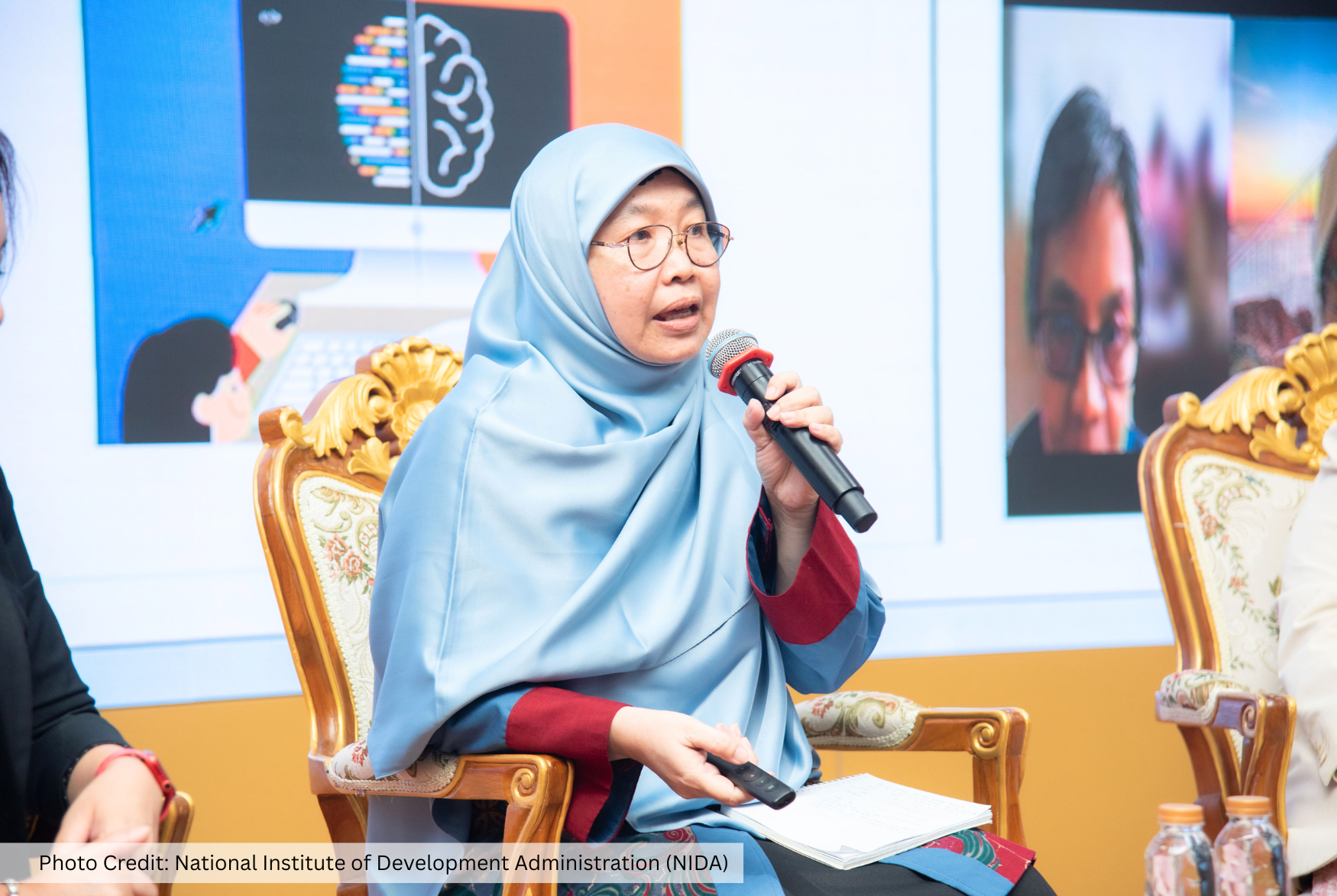
Dr Sri Wulandari Danoebroto, Centre Director of SEAMEO QITEP in Mathematics, shared implementation experiences from Indonesia, demonstrating how unplugged computational thinking activities strengthen mathematical reasoning through pattern recognition, algorithmic thinking, and creative problem solving. She also presented findings from teacher workshops that resulted in classroom implementation, lesson plans, and published research.
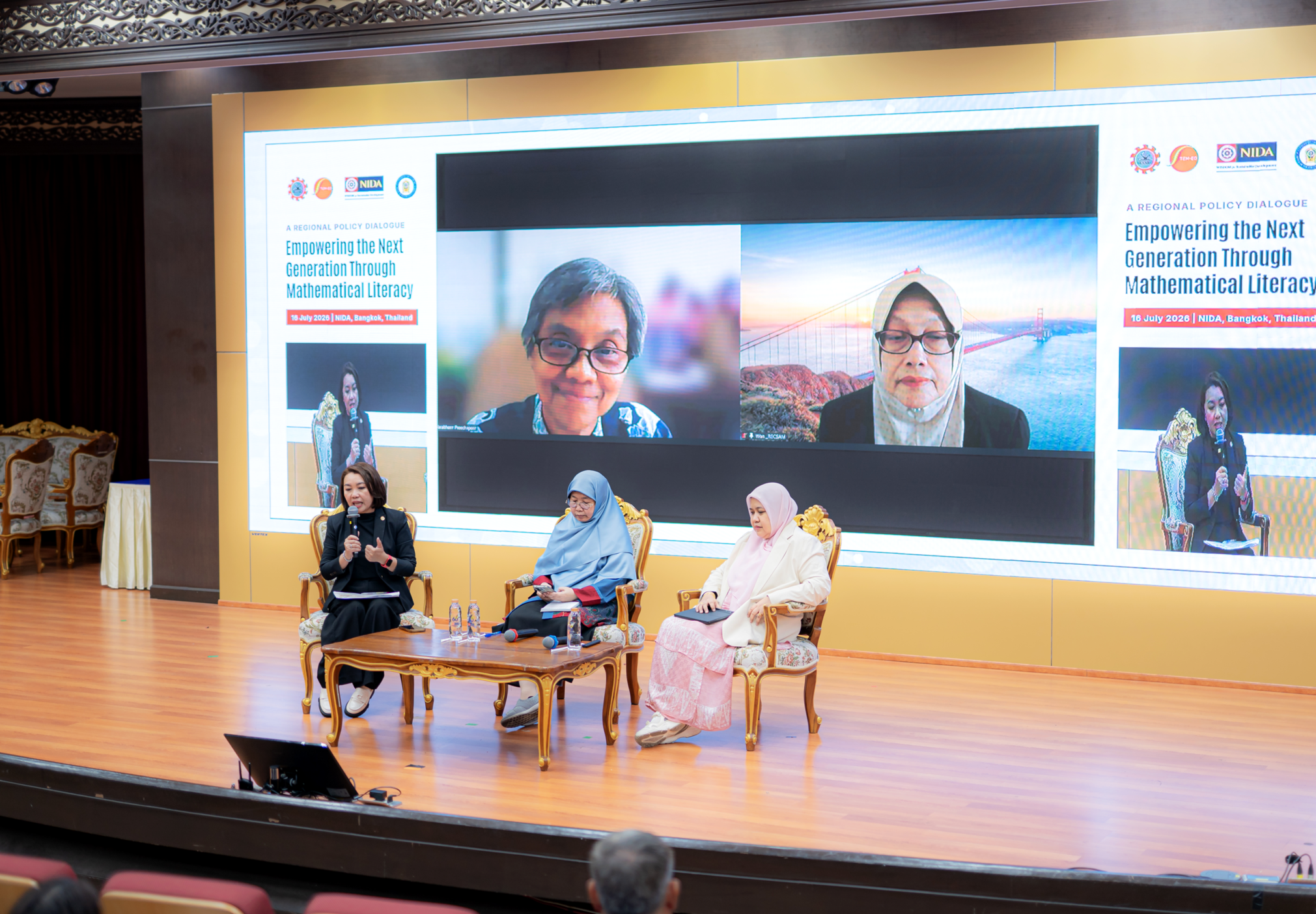
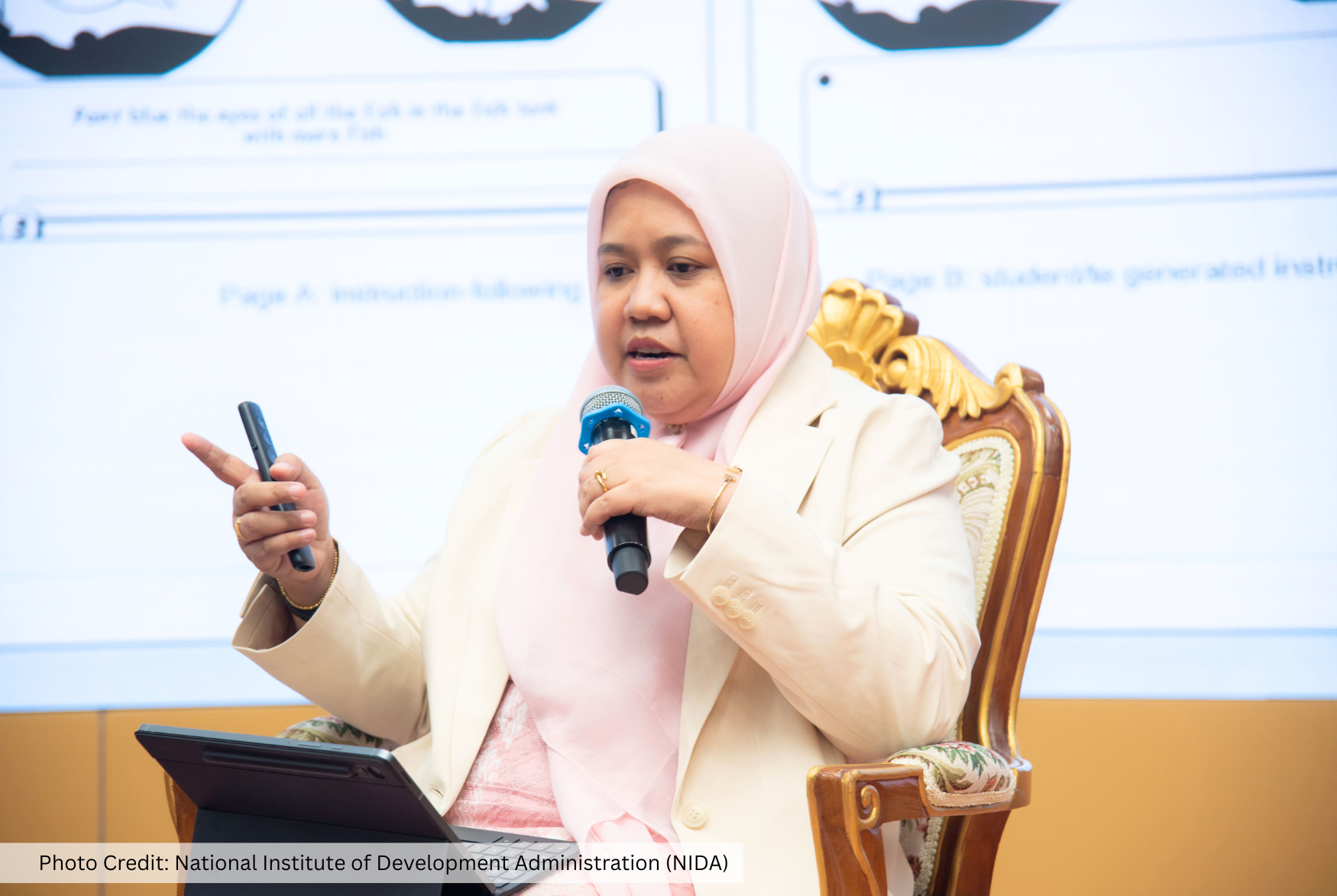
Representing SEAMEO RECSAM, Dr Wan Noor Adzmin binti Mohd Sabri, Specialist in Training and Research, illustrated how authentic mathematical contexts can simultaneously develop computational thinking, logical reasoning, communication, and interdisciplinary STEM learning through inquiry-based classroom activities.
Dr Warabhorn Preechaporn, Specialist in Training and Research at SEAMEO RECSAM, shared findings from regional teacher professional development workshops on computational thinking and coding. While teachers expressed highly positive perceptions of the approach, they also identified practical challenges, including limited resources, classroom management, mixed-ability classrooms, and the need for more hands-on professional learning opportunities.
Completing the session, Ms Cahya Kusuma Ratih, Centre Director of SEAMOLEC, presented implementation experiences from West Papua, Indonesia, where unplugged computational thinking activities were redesigned to better reflect students' linguistic and cultural contexts. By integrating mathematics, science, language, arts, and local culture into authentic learning experiences, the initiative demonstrated how computational thinking can become both culturally relevant and more meaningful for diverse learners.
Collectively, the session highlighted how regional collaboration among SEAMEO Centres, universities, Ministries of Education, and international experts is contributing to the development of open educational resources that strengthen computational thinking, mathematical literacy, and STEM education across Southeast Asia.
Throughout the dialogue, several common priorities emerged across all presentations. Speakers consistently emphasised that technology should support—not replace—teachers, and that meaningful improvements in mathematics education require strong pedagogical practice, continuous teacher professional development, and evidence-informed decision making.
Participants also highlighted the importance of curriculum alignment, localisation, equitable access, sustainable implementation, and cross-sector partnerships involving governments, universities, development partners, schools, and education technology providers. Discussions further underscored the need to prepare both in-service and pre-service teachers for future-ready mathematics education while ensuring that innovations are embedded within national education systems.
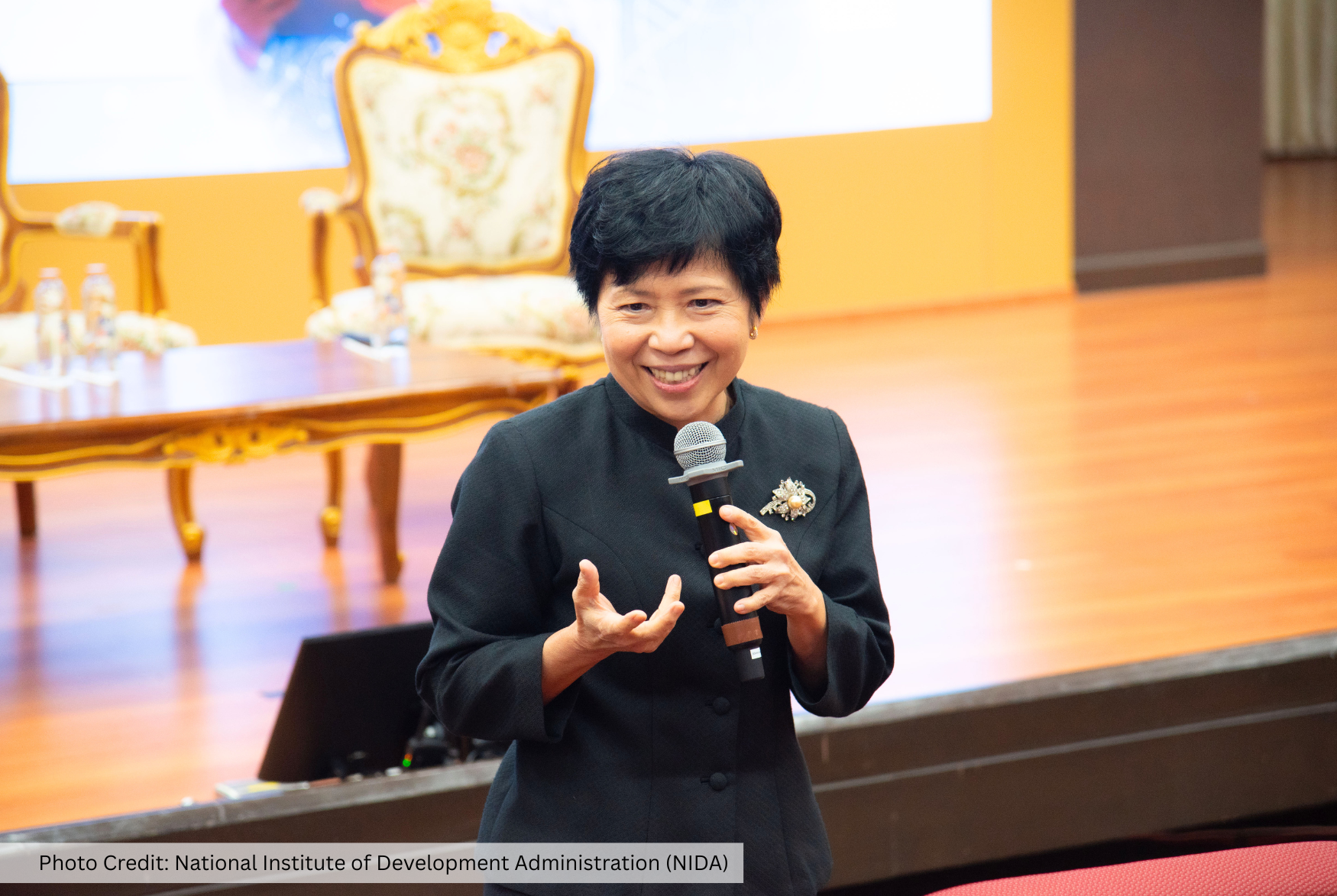
Under the leadership of Dr Kessara Amornvuthivorn, Centre Director of SEAMEO STEM-ED, the dialogue concluded with a unified resolve to improve mathematical literacy through evidence-informed regional policies. The session underscored the collective duty of policymakers, researchers, and partners to cultivate inclusive, personalised, and future-ready mathematics education. The next phase prioritises translating these outcomes into action by aligning resources, clarifying stakeholder roles, and finalising a practical roadmap for a de-risked pilot programme.