

WHAT IS SEAMEO?
The Southeast Asian Ministers of Education Organization (SEAMEO) is a regional intergovernmental organisation established in November 1965 with the mandate to strengthen regional cooperation in education, science, and culture. Over the decades, SEAMEO has grown into a dynamic platform for collaboration, operating through 25 regional centres and one network, each specialising in key areas of human resource development, research, and capacity building.
The organisation is governed by the SEAMEO Council, its highest policymaking body, which comprises the Ministers of Education from the 11 member countries: Brunei Darussalam, Cambodia, Indonesia, Lao PDR, Malaysia, Myanmar, the Philippines, Singapore, Thailand, Timor-Leste, and Vietnam. Together, they provide strategic direction and collective leadership to advance SEAMEO’s mission of fostering sustainable development and regional integration through education and knowledge exchange.
SEAMEO STEM-ED
A regional centre advancing STEM education through research, innovation, capacity building, and collaborative partnerships across Southeast Asia.
Background
SEAMEO STEM-ED (the SEAMEO Regional Centre for STEM Education) was established on 8 May 2019 in Thailand as one of the 26 specialist institutions of the Southeast Asian Ministers of Education Organization (SEAMEO). The Centre was created to pioneer, develop, and strengthen STEM education capacities in the region, recognising the critical role of science, technology, engineering, and mathematics (STEM) education in preparing societies to respond to rapid technological change, evolving workforce demands, and sustainable development challenges. The Centre officially commenced operations on 1 November 2019.
The establishment of the Centre reflects a shared regional commitment to advancing STEM education systems and nurturing human resources equipped with the knowledge and skills required in the twenty-first century. In particular, the Centre seeks to address key regional challenges, including improving student performance in science and mathematics in international assessments such as the Programme for International Student Assessment (PISA), supporting sustainable development goals, and preparing a skilled workforce capable of driving innovation and enabling countries to overcome the middle-income trap.
As a regional knowledge hub, the centre serves policymakers, educators, and education stakeholders. Through research, experimentation, the development of educational resources, and policy advocacy, the Centre promotes evidence-based approaches to strengthening STEM education. Working in close collaboration with SEAMEO Member Countries, other SEAMEO Regional Centres, and a broad network of partners—including SEAMEO affiliate countries, public institutions and private organisations—the Centre facilitates regional cooperation, knowledge exchange, and capacity-building initiatives.
Through research, knowledge dissemination, professional development programmes, and technical consultation, SEAMEO STEM-ED contributes to the enhancement of STEM education policies and practices, thereby advancing education and human development across Southeast Asia.
STEM-ED Centre’s Definition of STEM Education
STEM education is a teaching and learning approach that emphasises the connections among–or the integration of–knowledge and skills in science, technology, engineering, and mathematics. STEM education addresses problems faced by communities, as well as larger global issues that require a skilled workforce and knowledgeable citizens (who can apply these skills and knowledge) to develop solutions.
SEAMEO STEM-ED’s Key Focused Areas
- Enhancing student performance in science and mathematics, with particular emphasis on international benchmarks such as PISA.
- Advancing sustainable development through strengthened STEM education systems and practices.
- Developing a highly skilled workforce to drive innovation and support countries in overcoming the middle-income trap.
Vision
To be a regional research and capacity-building centre of excellence for STEM education that advocates and supports evidence-based policy and practice.
Mission
To strengthen and pioneer STEM education in Southeast Asia through
- Advocating evidence-based policy research in STEM education and providing policy recommendations to leaders on STEM education that matches national/regional socio- economic development;
- Developing the capacity of educational personnel and policymakers in STEM education;
- Enriching regional STEM learning resources and leveraging existing resources in the region that match regional context;
- Building networks and partnerships of policymakers, professionals, practitioners, and private sector stakeholders to strengthen STEM education.
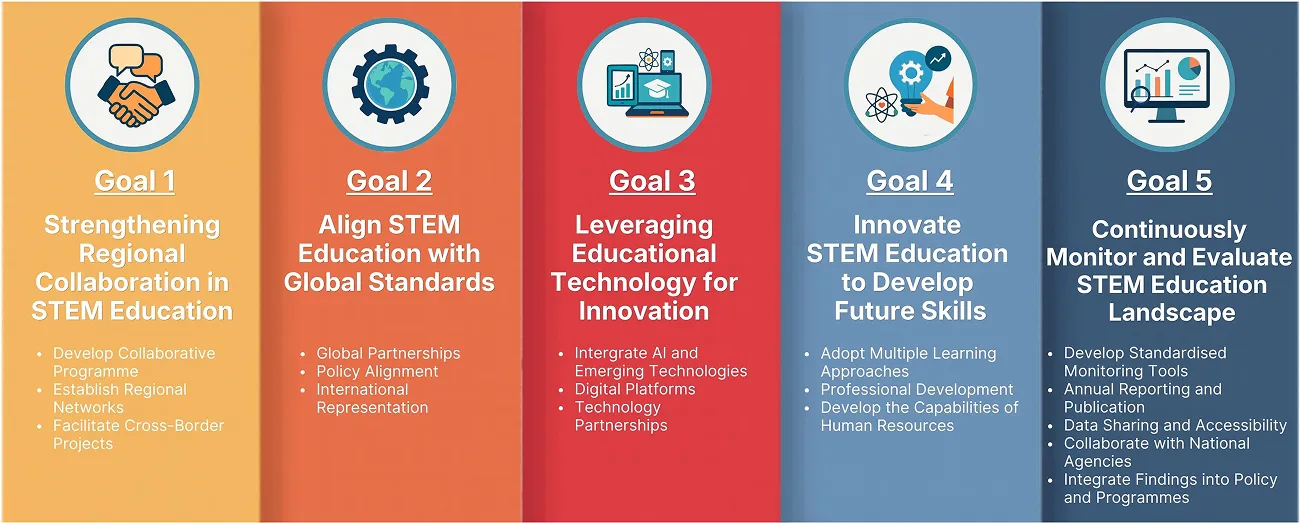
Strategic Goals
Values and Ways of Working
Our work is guided by a shared culture of collaboration, professionalism, and continuous learning, ensuring meaningful impact on STEM education across Southeast Asia.
STEM Core Values
STEM education is a teaching and learning approach that emphasises the connections among–or the integration of–knowledge and skills in science, technology, engineering, and mathematics. STEM education addresses problems faced by communities, as well as larger global issues that require a skilled workforce and knowledgeable citizens (who can apply these skills and knowledge) to develop solutions.
S
Strive for Results
Show ambition and perseverance in pursuing challenging goals and delivering meaningful, measurable outcomes.
T
Team Synergy
Collaborate effectively across teams and partners to achieve shared objectives and collective success.
E
Effective Learning Agility
Continuously learn, adapt, and apply new knowledge to enhance practices and improve results.
M
Mastery of Professional Practice
Demonstrate expertise, innovation, and integrity in delivering high-quality professional work.
Key Competencies
Complementing our STEM Core Values, the Centre’s key competencies—known as the 3Ps-guide how our staff collaborate and implement initiatives across the region.

Partnering
Building strong, strategic partnerships with stakeholders and collaborators to maximise impact.

Problem Solving
Applying analytical and creative thinking to address complex challenges effectively.

People Management
Fostering teamwork, leadership, and professional growth to strengthen human capital.

Strategic Execution
Translating strategies into effective action and delivering impactful results.
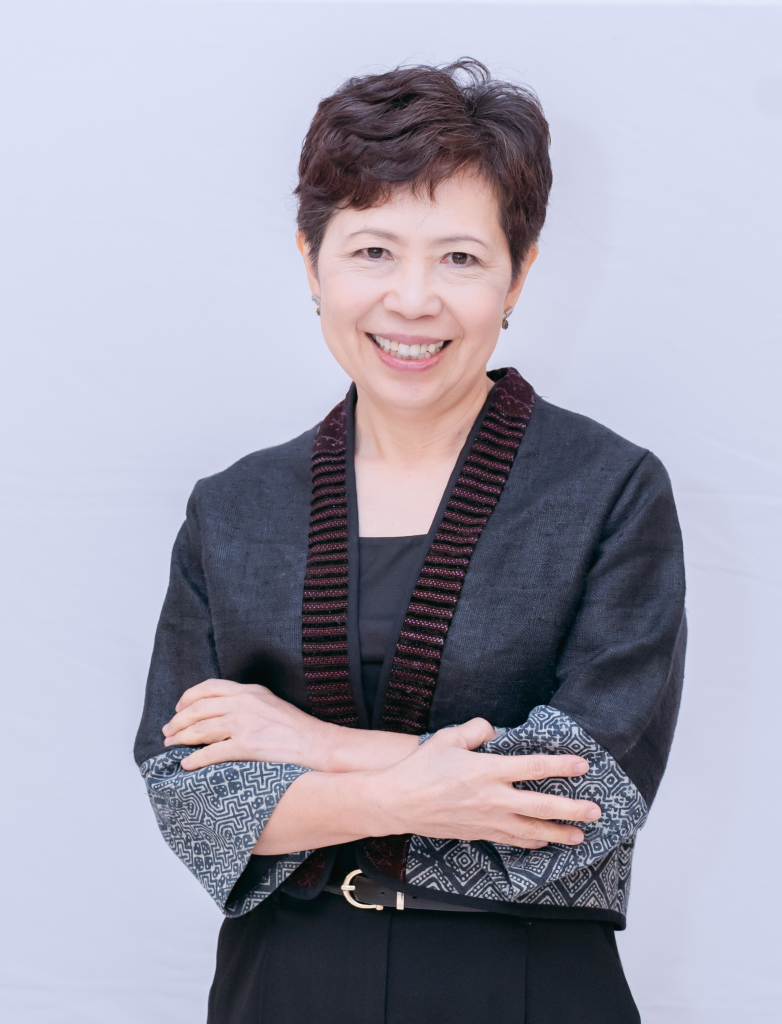
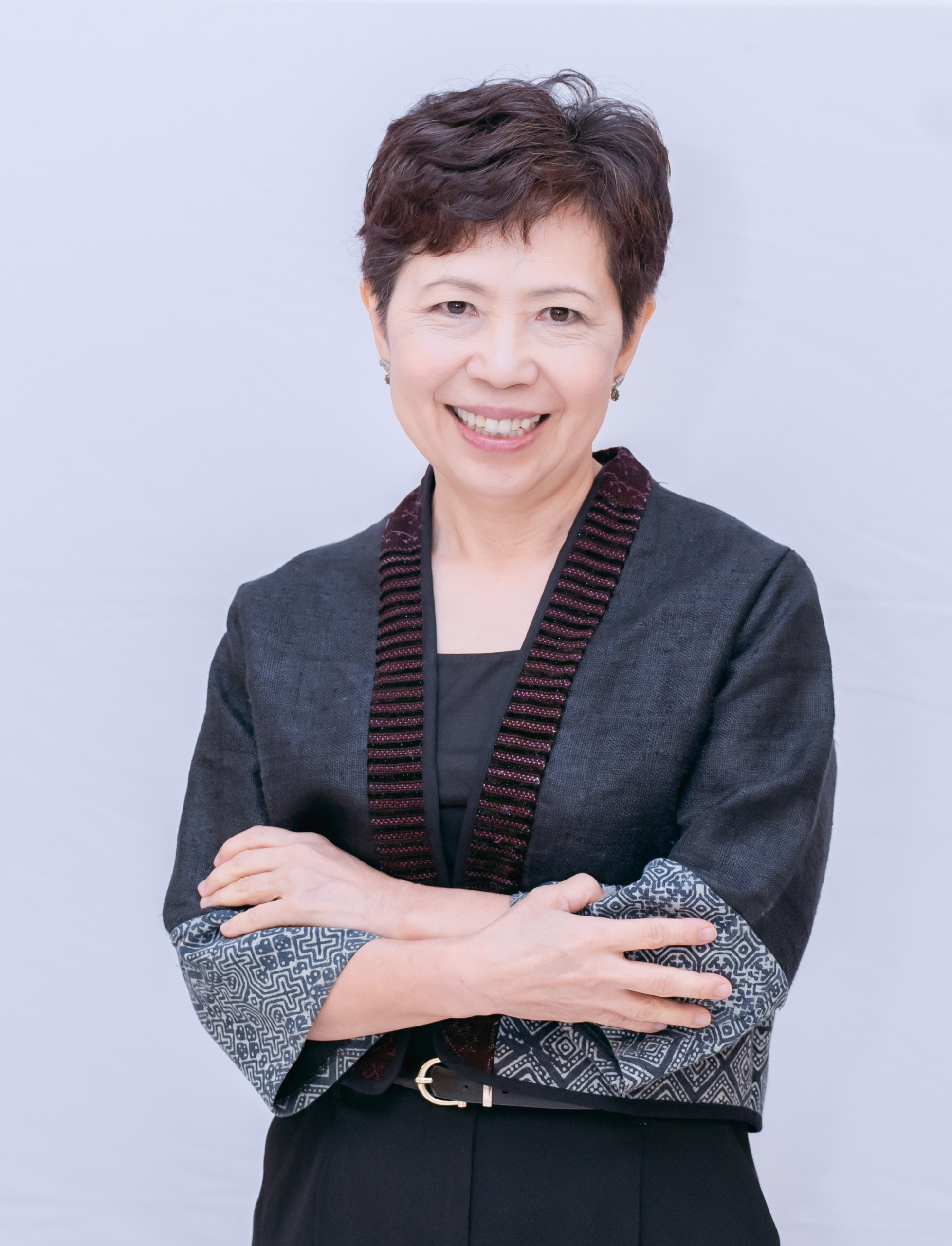
Dr Kessara Amornvuthivorn
SEAMEO STEM-ED Centre Director
Former Directors
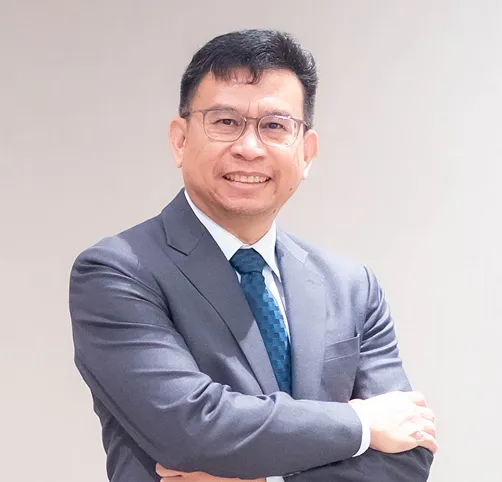
In the age of disruption, we must equip ourselves with the right competencies to stay relevant. STEM education enables us to aquire the necessary skills, use technology effectively, and create a better world.