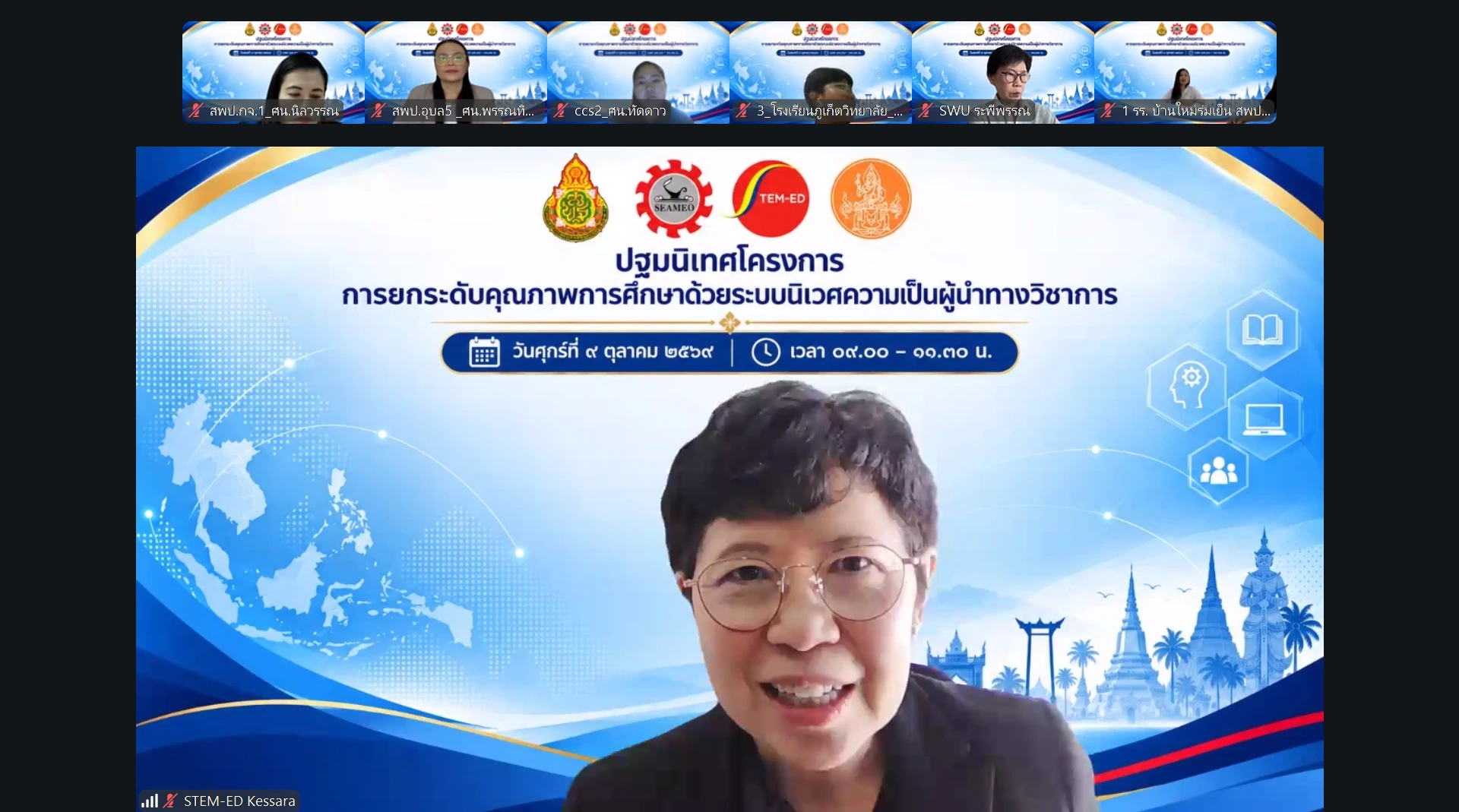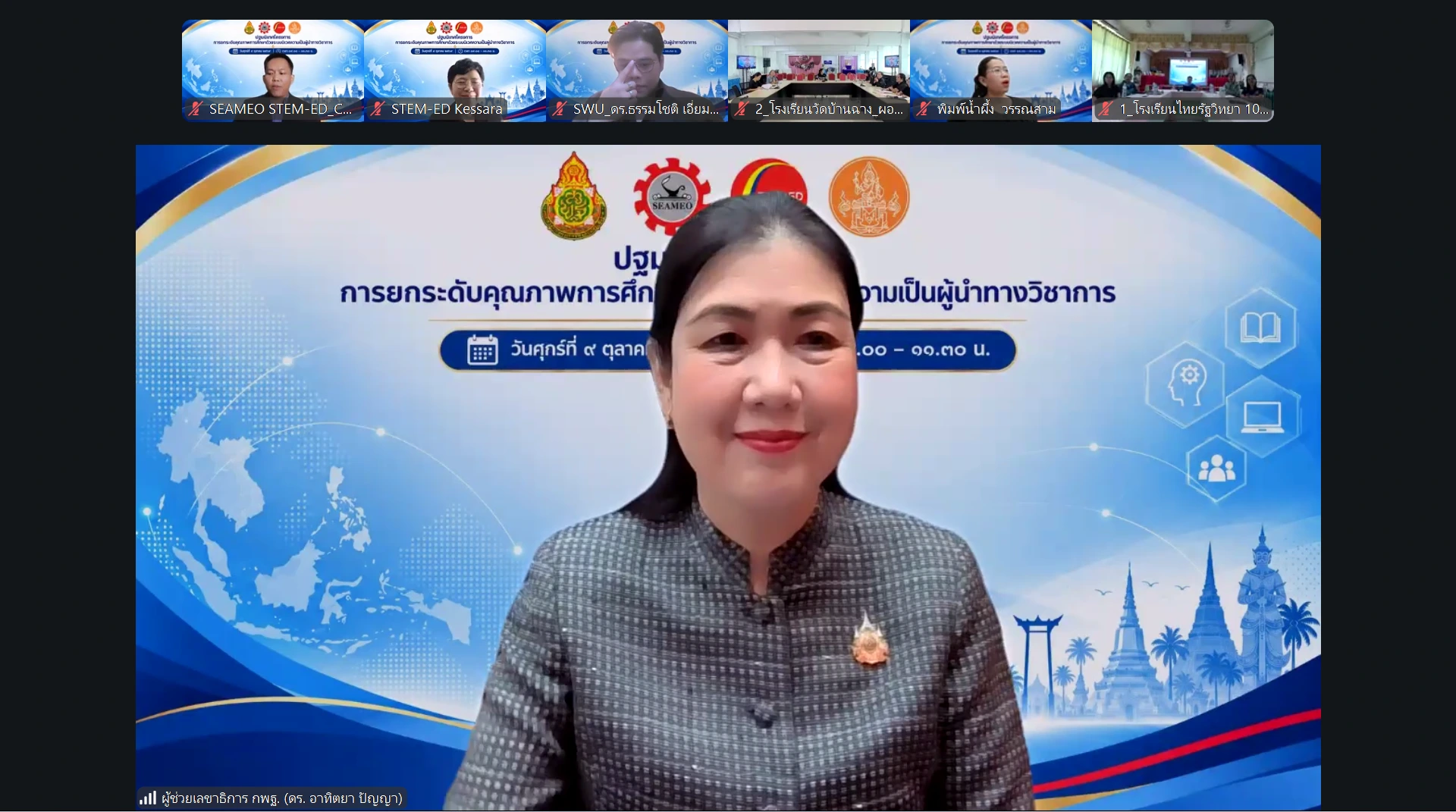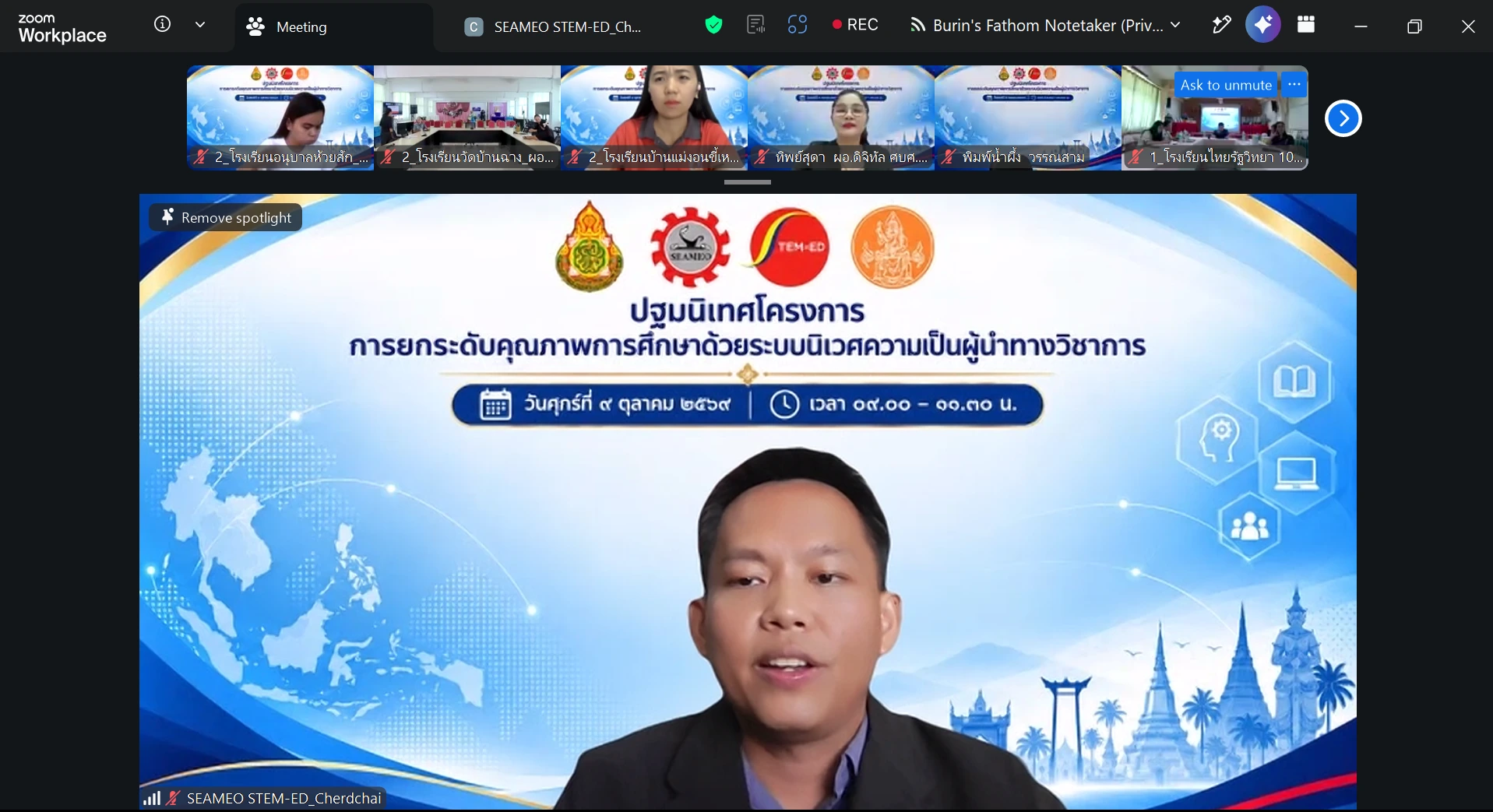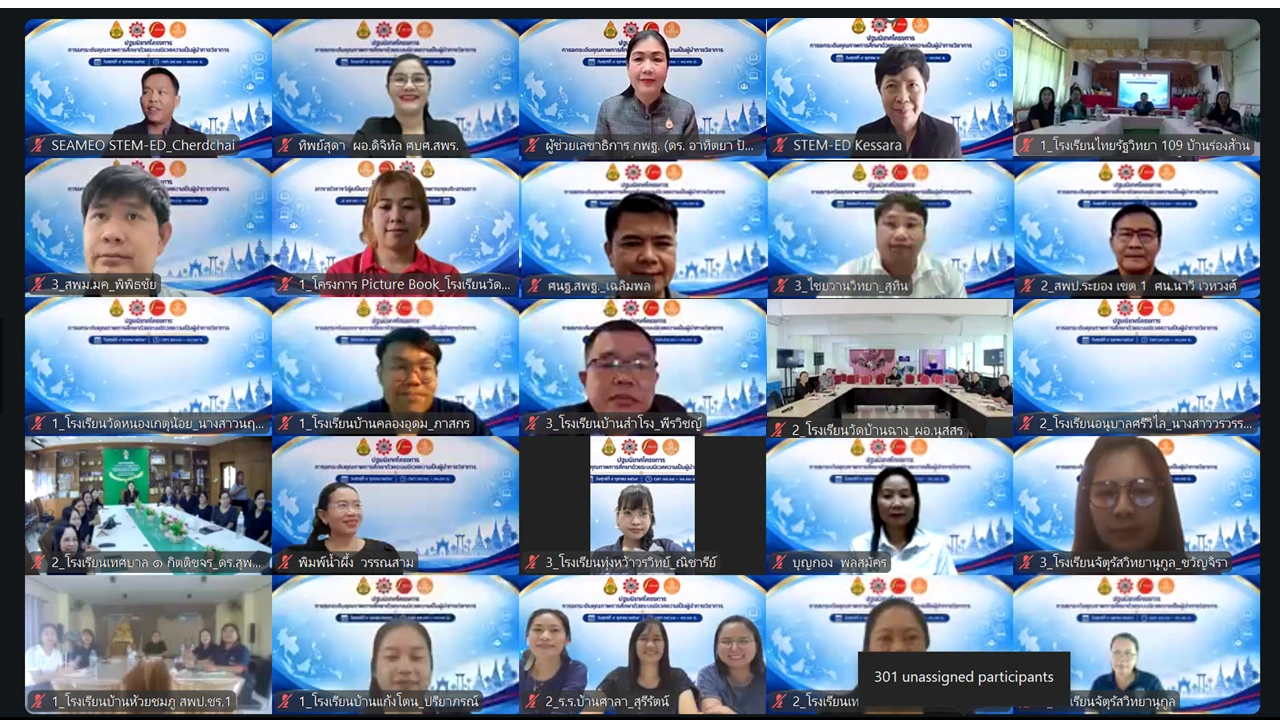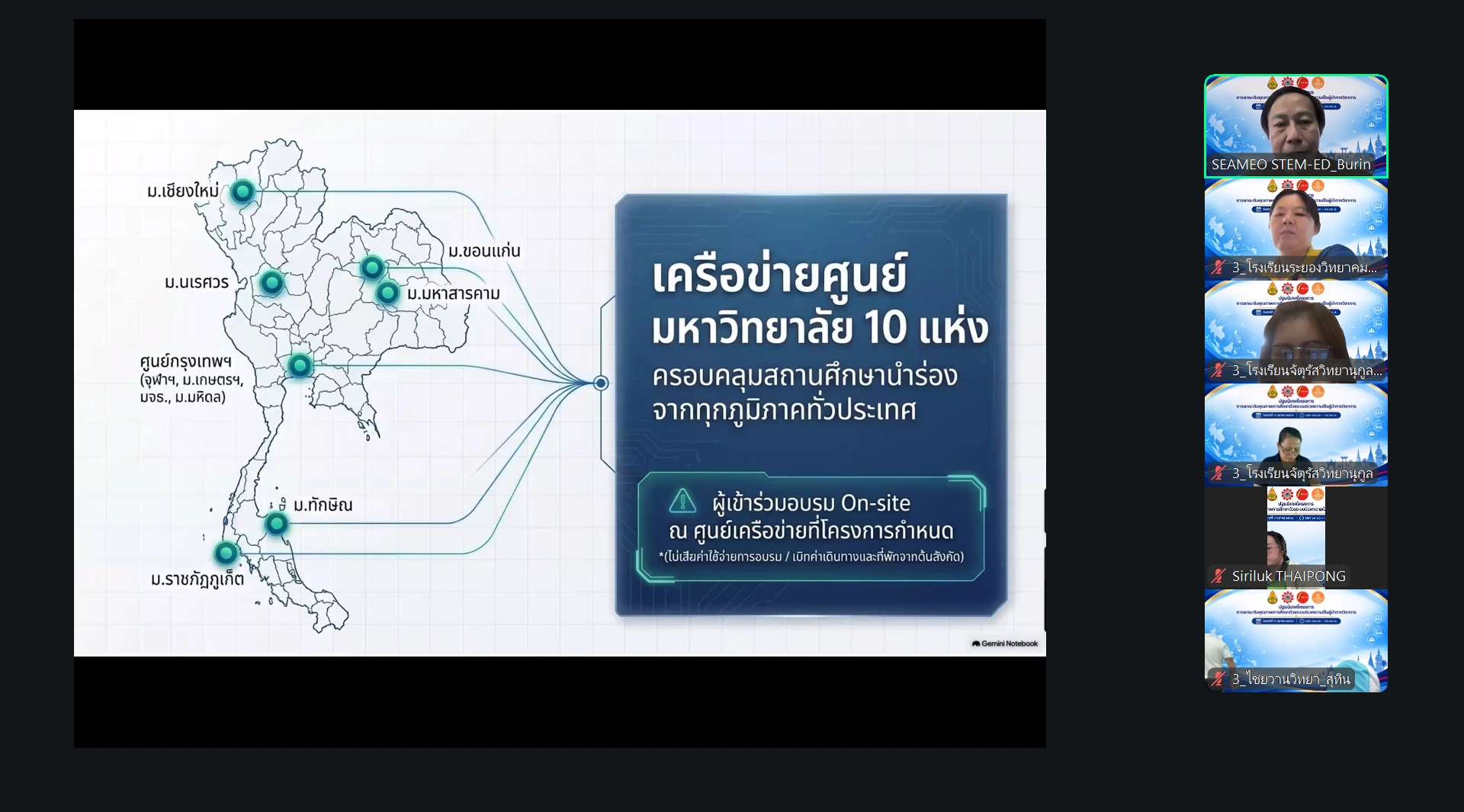
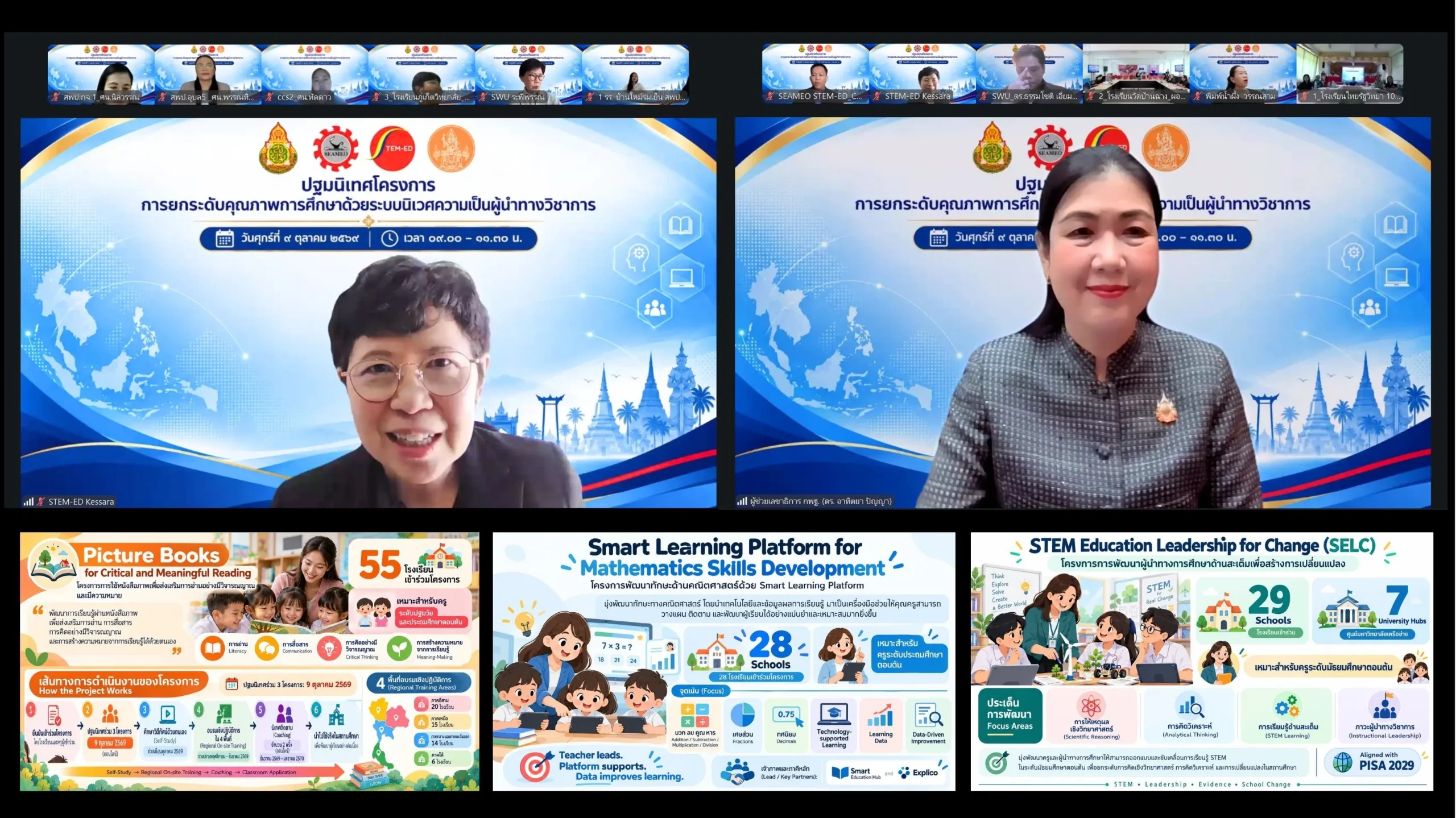
On 9 October 2026, the Southeast Asian Ministers of Education Organization Regional Centre for STEM Education (SEAMEO STEM-ED), in collaboration with Thailand’s Office of the Basic Education Commission (OBEC), officially kicked off the Elevating Education Quality through an Instructional Leadership Ecosystem Initiative through its first online orientation. Held via Zoom, the session brought together approximately 350 participants from 112 schools across Thailand, including schools under OBEC and as well as educational authorities. The event marked the beginning of a collaborative effort to strengthen instructional leadership and build a connected support system for improving teaching and learning.
In her welcome remarks, Dr Kessara Amornvuthivorn, Centre Director of SEAMEO STEM-ED, explained that the initiative builds on previous collaboration between the Centre, educational supervisors, and partner institutions. Earlier teacher-development activities and feedback from participating schools highlighted the interest in continued collaboration and opportunities to apply new approaches to teaching and learning.
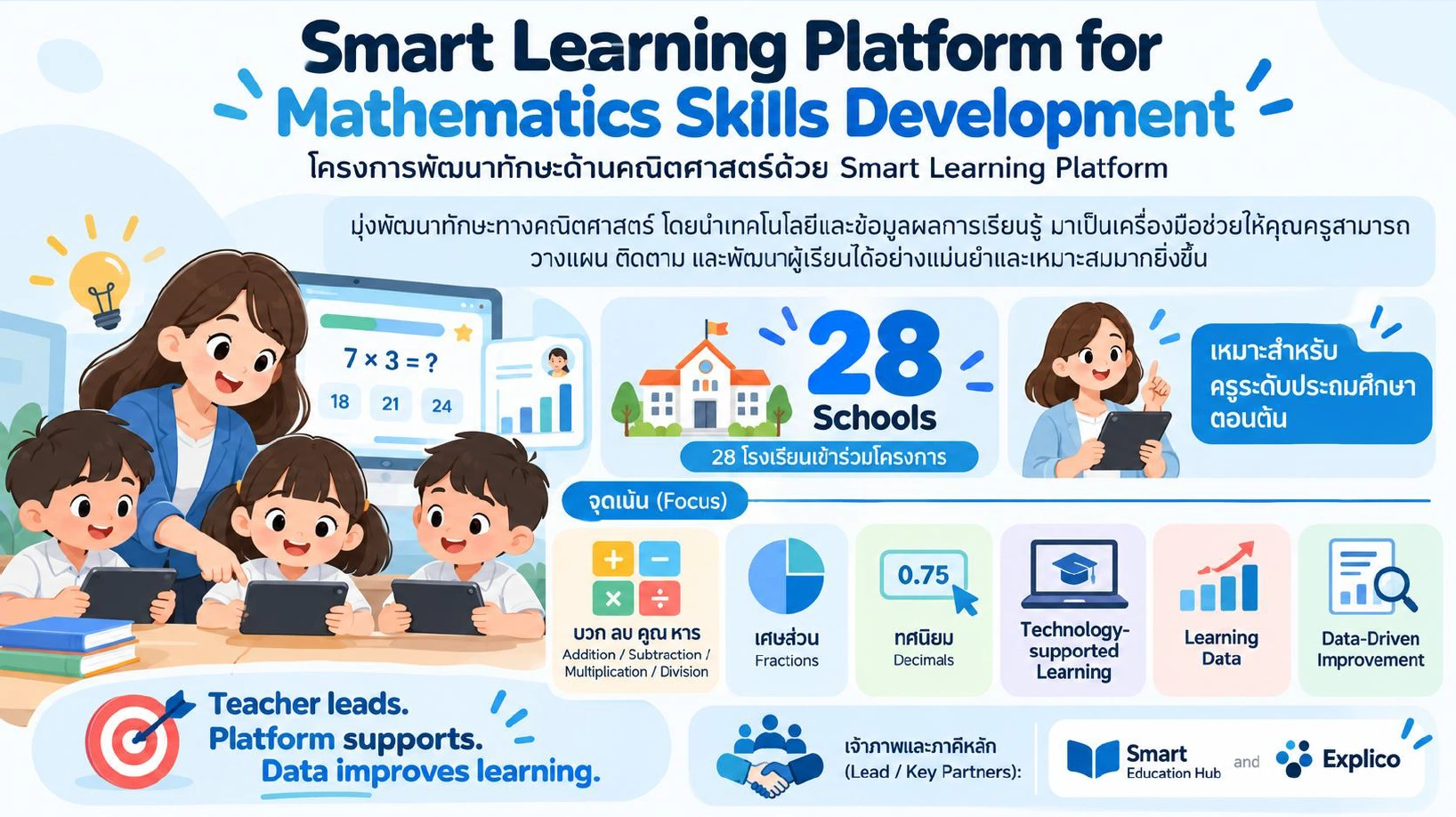
The initiative brings together the expertise of universities, education partners, and the private sector through three complementary pilot programmes addressing different dimensions of student learning. These programmes aim to support teachers and educational supervisors in strengthening classroom practice, while providing continued guidance and opportunities to reflect on evidence of student progress.
Dr Kessara also emphasised the importance of sustained support for teachers as they implement new approaches in their schools, with expertise from partner universities and organisations contributing to programme development and implementation.
Delivering the opening remarks, Dr Artittaya Panya, Assistant Secretary-General of OBEC, highlighted that improving student learning requires more than developing teachers’ capabilities alone. It calls for a strong support ecosystem connecting teachers, educational supervisors, school leaders, and education administrators, with classroom evidence informing decisions and ongoing improvements.
She underscored the role of Core Supervisors as instructional leaders at the local level, connecting education policy with school practice and supporting teachers through instructional leadership, coaching, and mentoring. School leaders also play a vital role in translating educational priorities into meaningful improvements in teaching and learning.
Dr Artittaya emphasised that the ultimate goal of the initiative is to achieve tangible changes in classrooms, supported by professional collaboration, evidence-based reflection, and continuous learning.
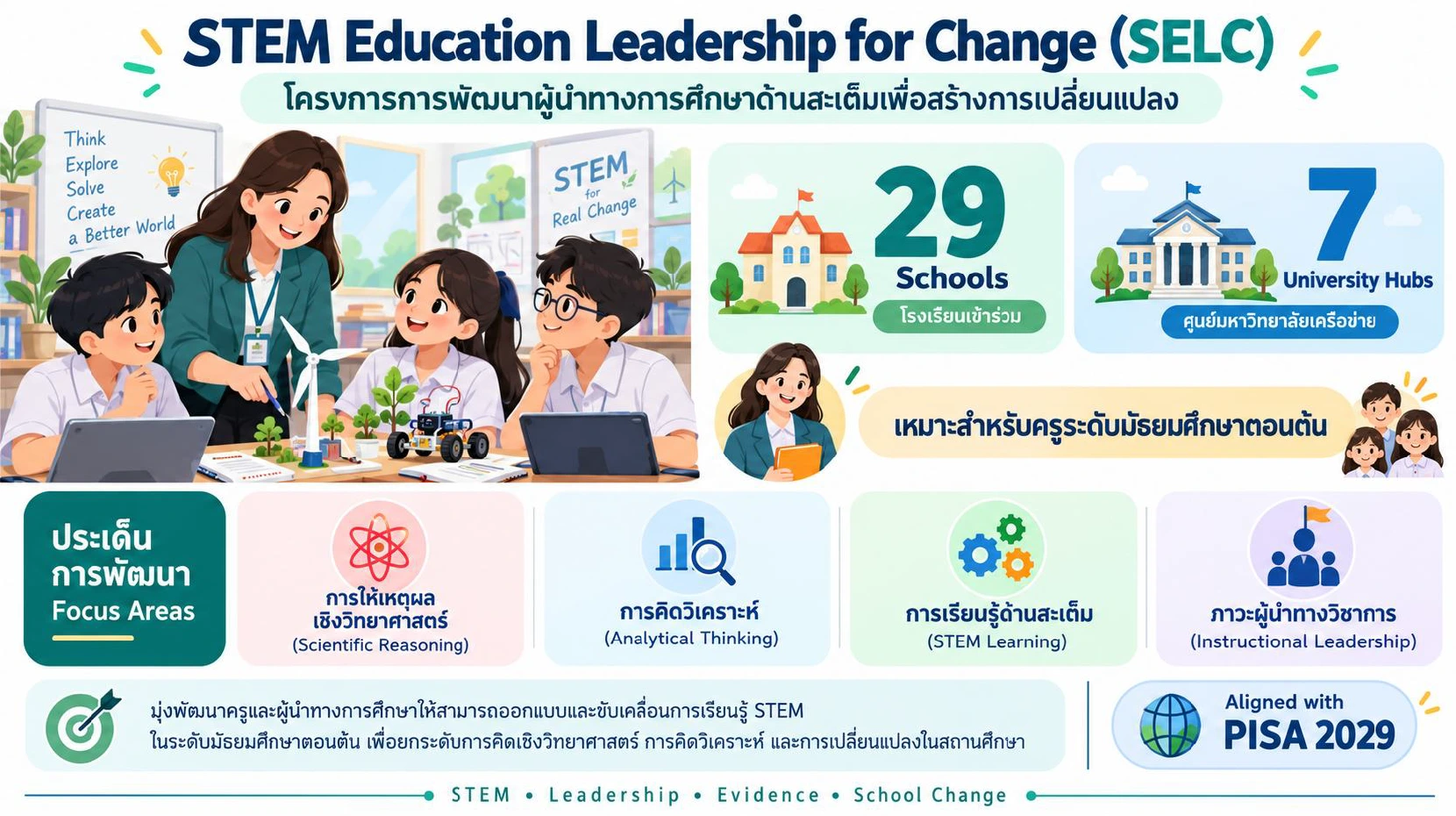
The initiative brings together three interconnected pilot programmes, each addressing a different dimension of student learning through practical approaches and collaborative professional development. Each programme is designed for a specific group of teachers, with approaches tailored to their respective grade levels and teaching contexts.
Although each programme has a distinct focus, all three share a common direction: strengthening educators’ capacity to improve student learning through practical application, ongoing support, and the use of evidence to inform teaching.
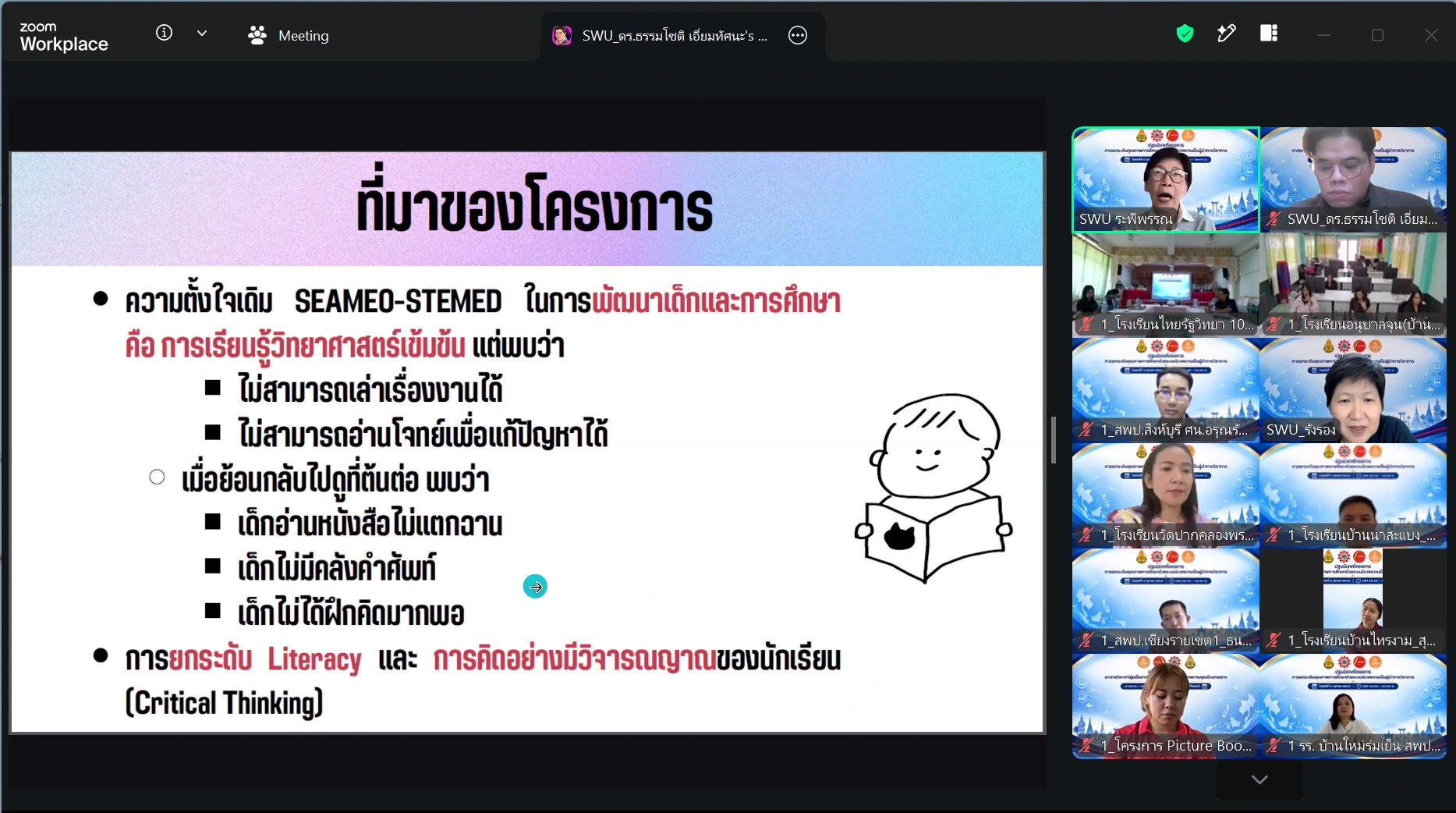
Following the welcome and opening remarks, participants moved into separate Zoom breakout rooms for the three pilot programmes to begin their programme-specific orientation sessions.
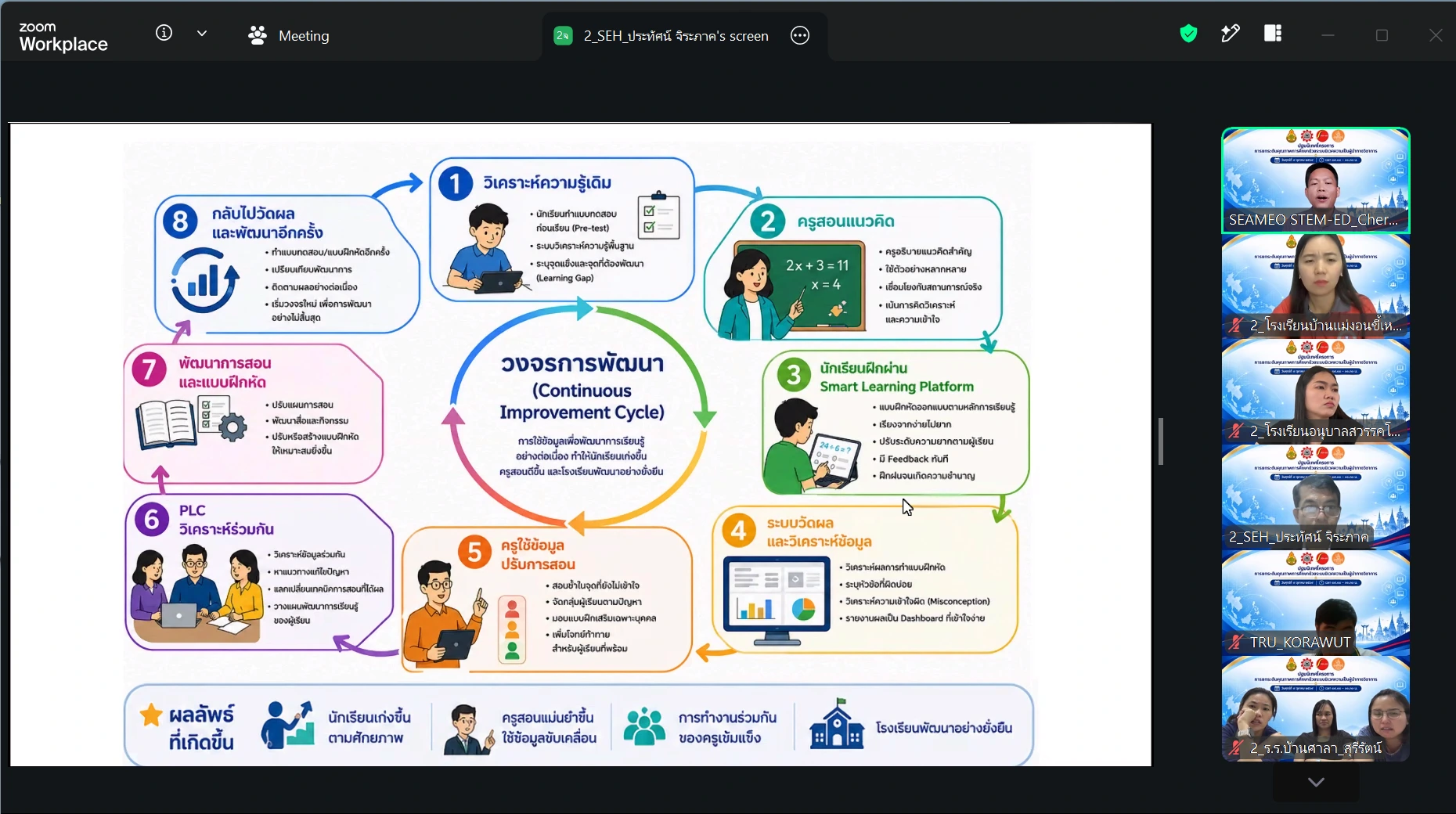
Across the initiative, implementation will follow a shared approach encompassing preparation, capacity building, classroom implementation, coaching and monitoring, and learning from evidence. This framework is intended to ensure that professional development extends beyond training sessions and supports teachers and educational supervisors as they apply new approaches, reflect on their experiences, and improve classroom practice.
Through this collaborative initiative, SEAMEO STEM-ED and its partners aim to strengthen the connections among education policy, professional learning, school leadership, and classroom practice. The first online orientation marks an important starting point for continued collaboration and the development of approaches that can contribute to improved education quality and more meaningful learning experiences for students across Thailand.
Stay tuned for more. Follow SEAMEO STEM-ED for upcoming stories exploring each of the three pilot programmes, the people and partnerships behind them, and how they aim to translate instructional leadership into meaningful changes in classrooms and student learning.