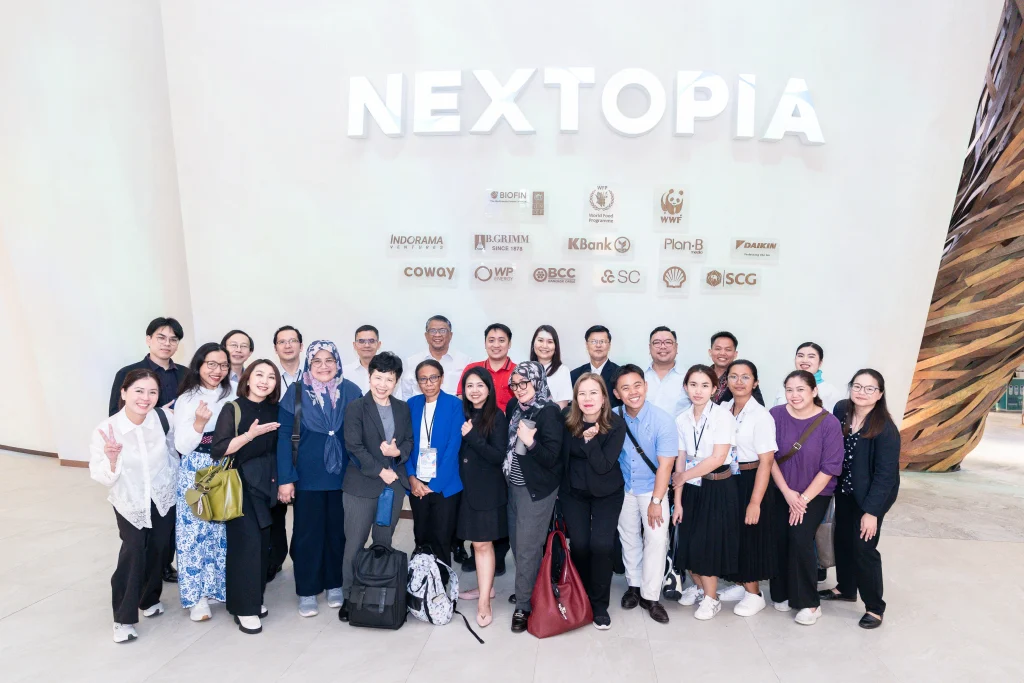
Artificial intelligence is increasingly shaping how people learn, work and interact, making AI literacy an important consideration for education systems across Southeast Asia. Beyond technical knowledge, learners and educators need to understand how AI affects human decision-making, creativity, relationships, wellbeing and society, while developing the ability to use AI responsibly and ethically.
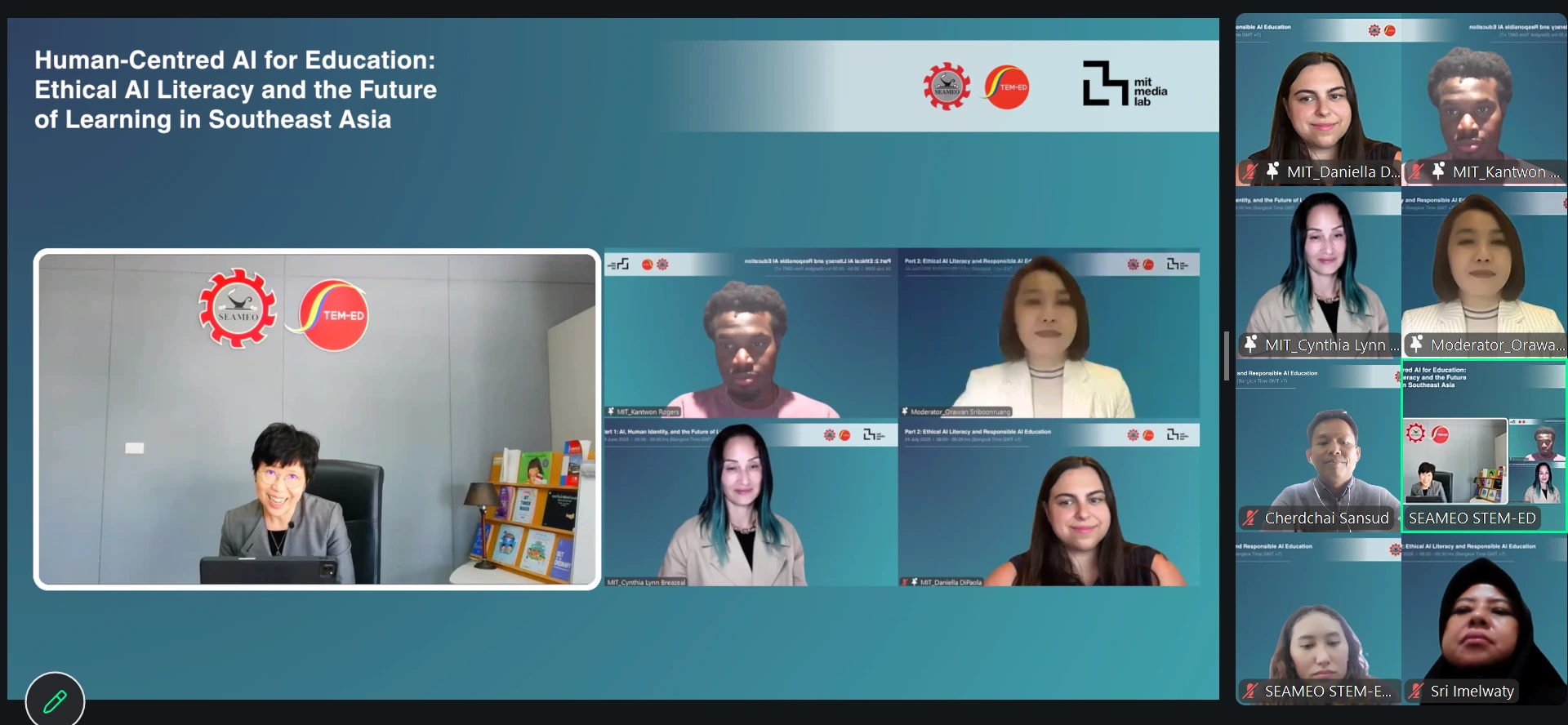
To contribute to this conversation, SEAMEO STEM-ED, in collaboration with the MIT Media Lab, is conducting a webinar initiative on “Human-Centred AI for Education: Ethical AI Literacy and the Future of Learning in Southeast Asia.” The initiative brings together perspectives from researchers and educators to explore emerging approaches to AI literacy, human-AI interaction and responsible AI education, with a focus on their relevance to learning in the region.
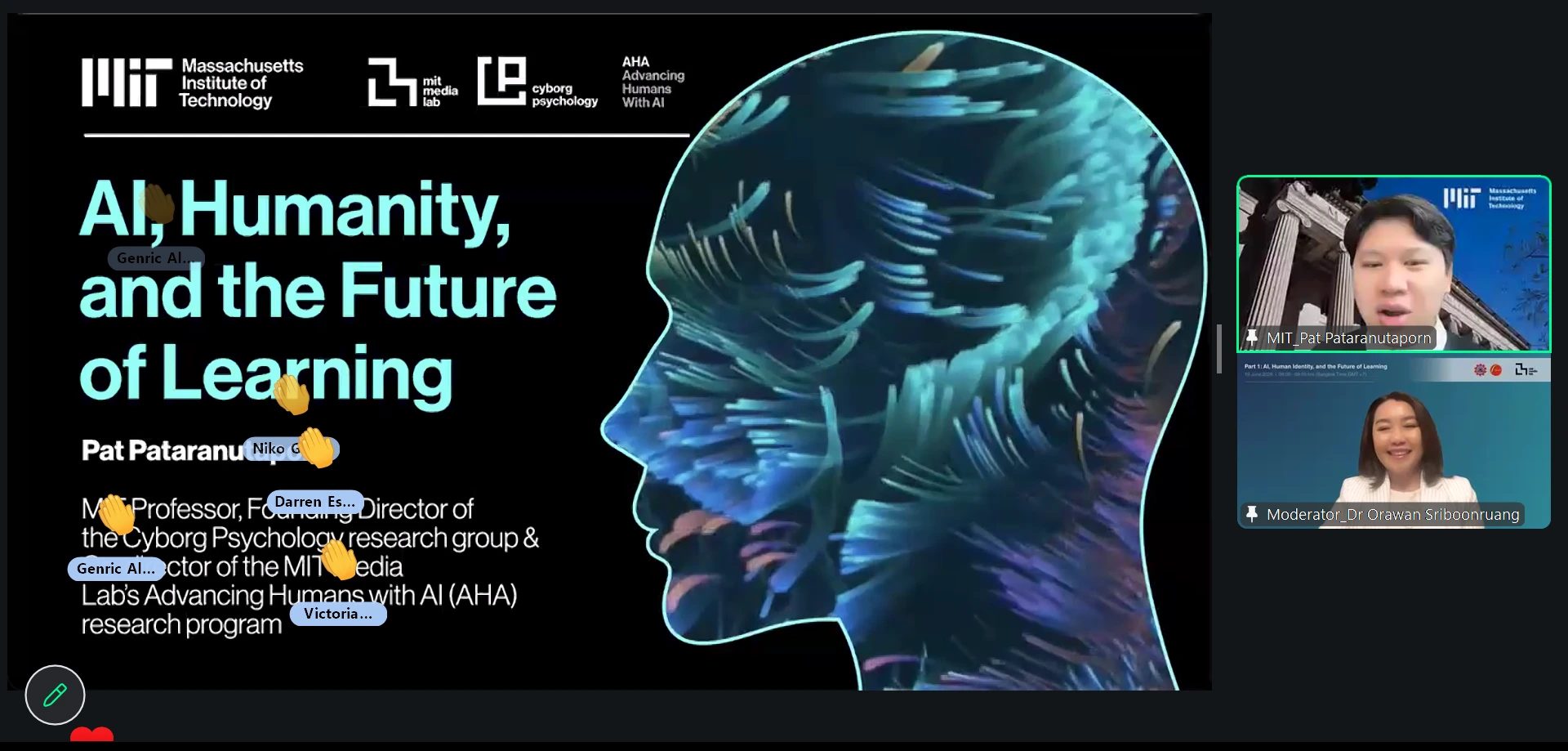
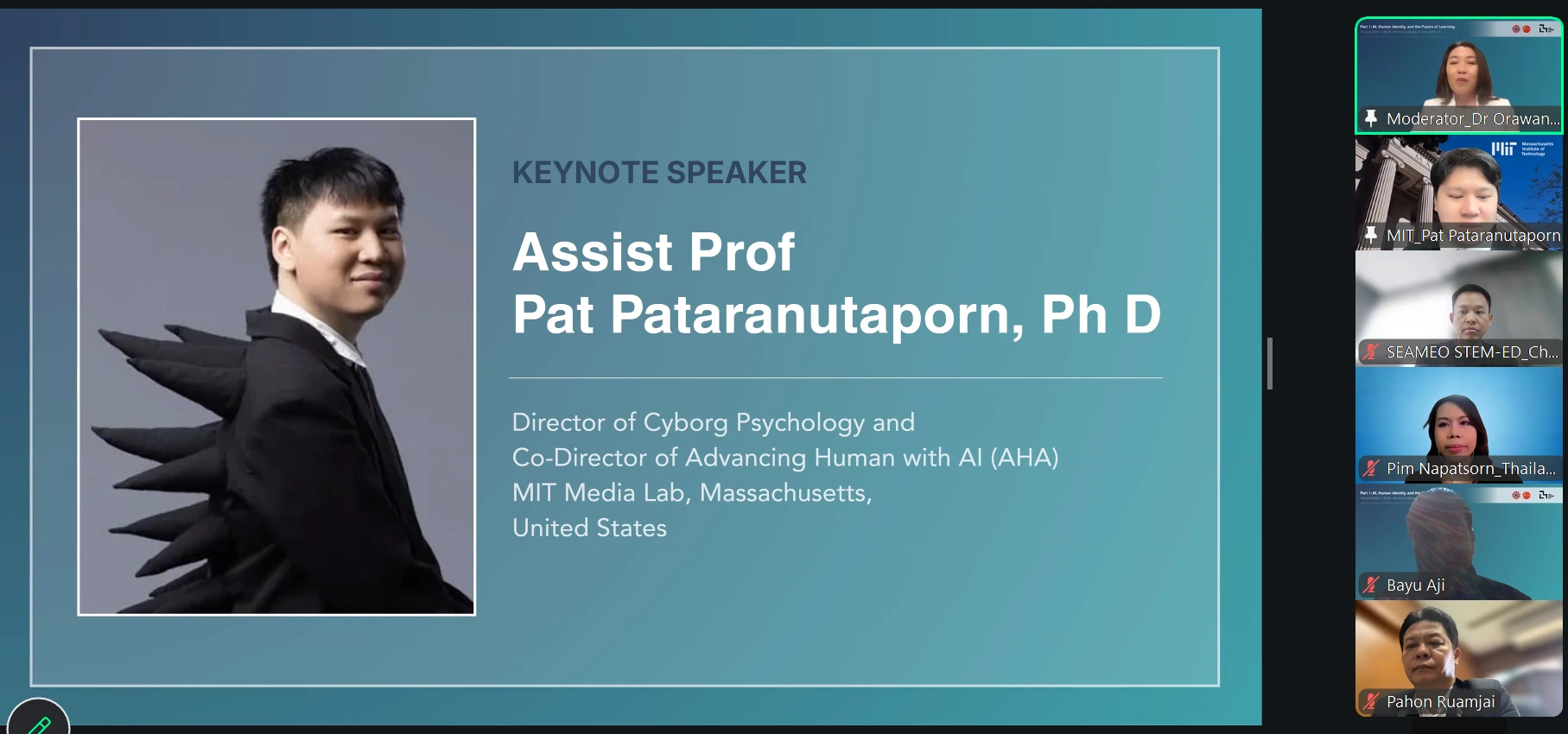
The first webinar, held on 19 June 2026, explored how AI is reshaping learning, human development and the future of education. The session featured a keynote by Asst Prof Dr Pat Pataranutaporn, Director of Cyborg Psychology and Co-Director of Advancing Human with AI (AHA) at the MIT Media Lab, together with members of the AHA Team.
The discussion introduced the concept of Cyborg Psychology, which examines how humans and technology interact and how technology can be designed to support human development while preserving human agency, emotions and decision-making. Rather than viewing AI simply as a tool for providing answers, the session considered how it could support curiosity, creativity, critical thinking and more personalised learning experiences.
Several examples illustrated ways AI could be incorporated into learning while keeping human development at the centre:
The session also addressed potential risks, including cognitive offloading, reduced social interaction and possible effects on emotional wellbeing. The discussion emphasised the importance of approaching AI with “critical optimism”: recognising its potential while remaining attentive to its limitations and possible consequences.
The webinar attracted 1,083 registrations from 47 countries across six continents, with 268 participants joining via Zoom, nearly 100 engaging questions and 799 views recorded on YouTube, reflecting interest in human-centred approaches to AI and education from audiences beyond the immediate region.
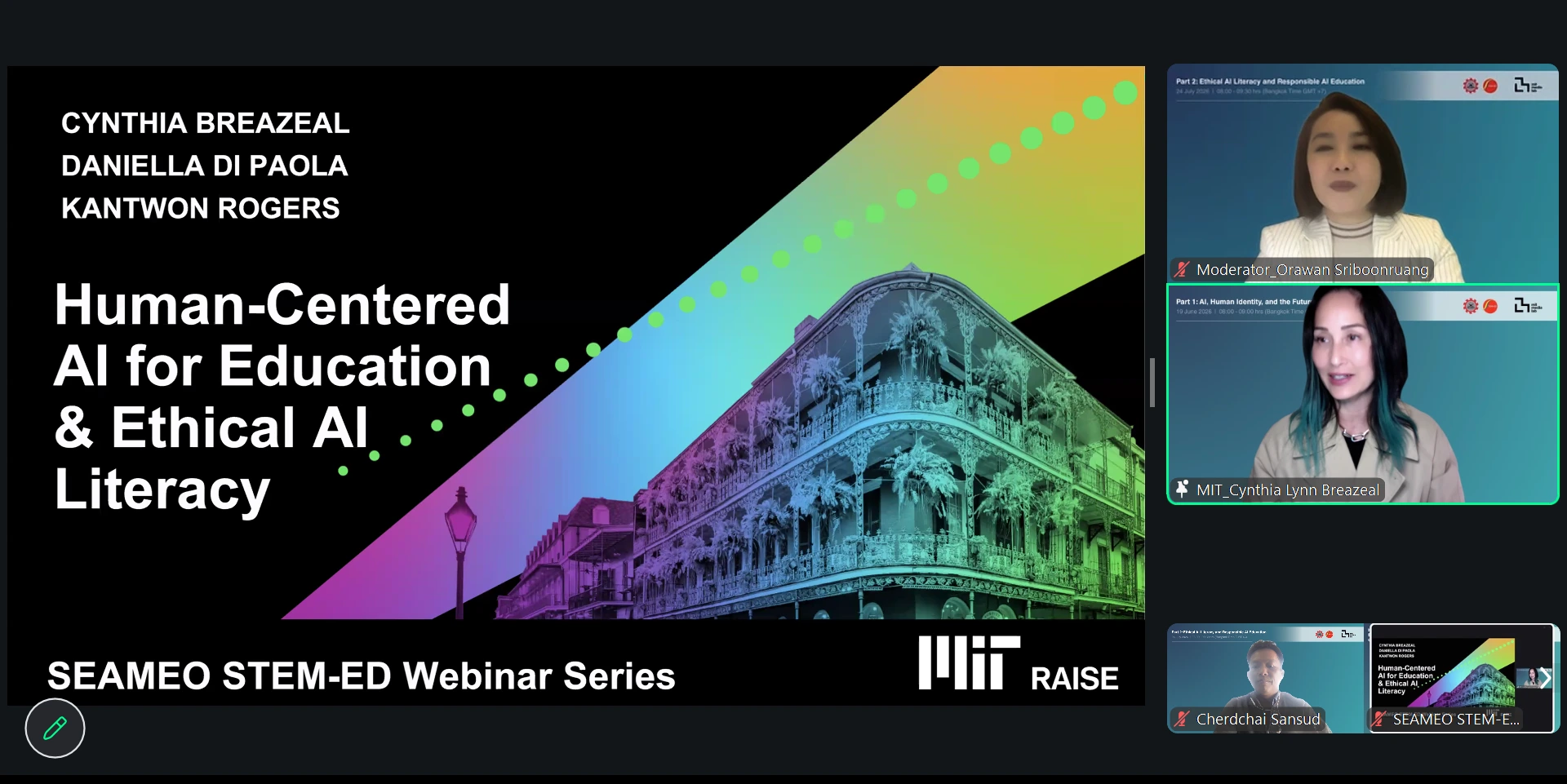
The second webinar, held on 24 July 2026, focused more specifically on ethical AI literacy and practical approaches to responsible AI education. The keynote was delivered by Prof Dr Cynthia Breazeal, Dean for Digital Learning and Director of the MIT-wide Initiative on Responsible AI for Social Empowerment and Education (MIT RAISE), Head of Personal Robots at the MIT Media Lab.
The session explored how AI literacy can extend beyond technical skills to include critical thinking, creative problem-solving, interdisciplinary thinking and systems thinking. Prof Dr Breazeal also highlighted the importance of helping learners understand both the opportunities and risks associated with AI, including the potential effects of excessive reliance on technology on cognitive, social and emotional development.
A key theme was AI resilience: the capacity to adapt, recover and continue learning in an environment where AI is increasingly present. Drawing on constructionist approaches to learning, the discussion highlighted the value of making, experimentation, productive struggle and learner agency rather than passive dependence on AI-generated outputs.
The webinar also examined practical approaches to introducing AI ethics in K–12 education. Through initiatives such as Day of AI and MIT RAISE’s educational resources, educators can engage students in considering how AI systems are created, how they reflect human and societal choices, and what responsible use means in different contexts.
Key considerations included:
The session highlighted that responsible AI education is not only about teaching learners what AI can do, but also helping them understand when, why and how it should be used.
Part 2 attracted 1,168 registrations from 47 countries across six continents, with 214 participants joining via Zoom, over 200 engaging questions and 761 views recorded on YouTube.
Together, the two webinars have explored complementary dimensions of human-centred AI education: from human identity, future learning and human-AI interaction to ethical AI literacy, learner agency and responsible implementation in classrooms.
As the initiative continues, the discussions provide a foundation for further exchange among educators, researchers, policymakers and other stakeholders on how AI can be integrated into education in ways that support learning while keeping human development at the centre.
Part 1: https://www.youtube.com/live/cfzitOLb2qo?si=KSUpNGls8KgUal30
Part 2: https://www.youtube.com/live/ZI6JkP5GzNk?si=7f2Epew472V74ZWM