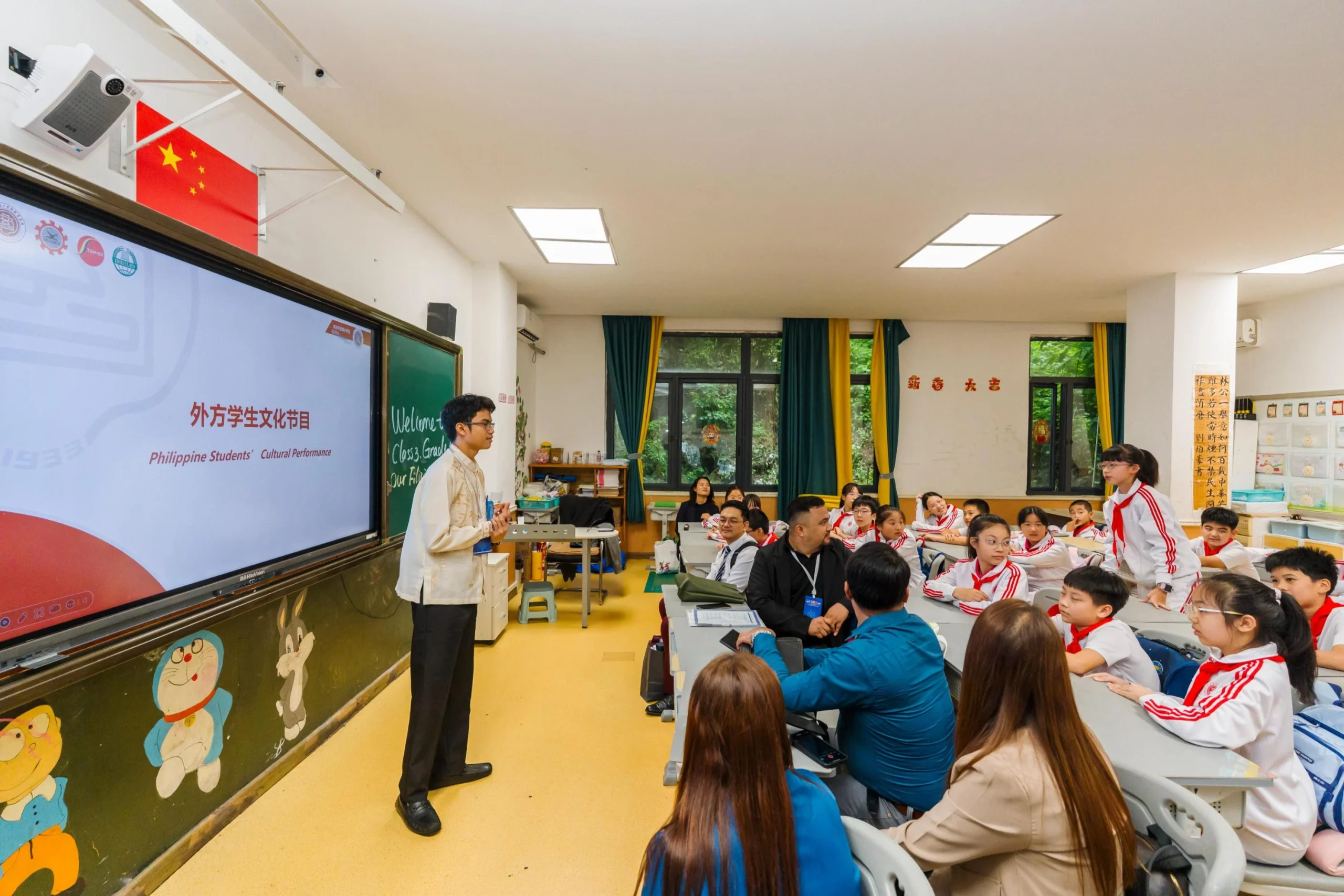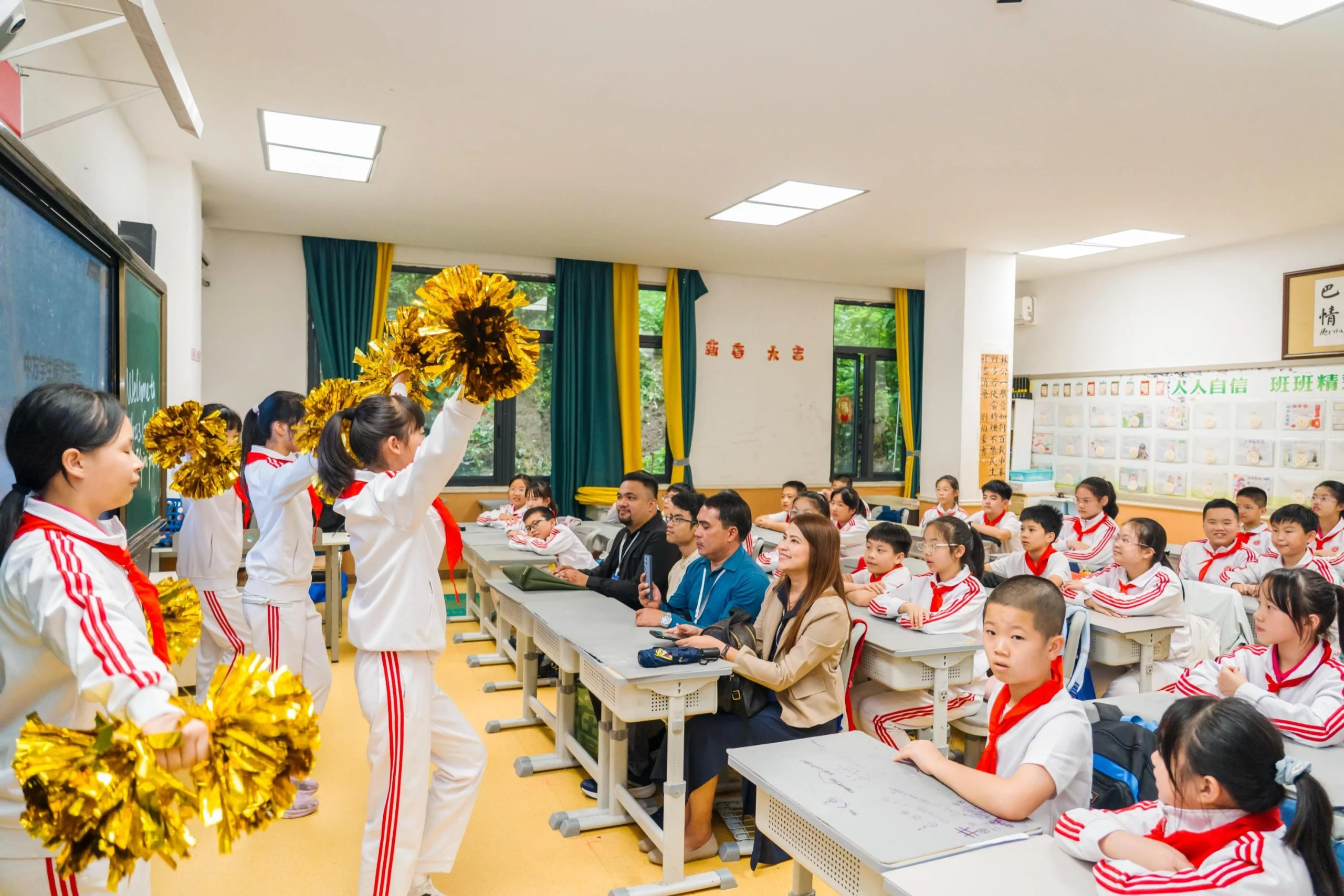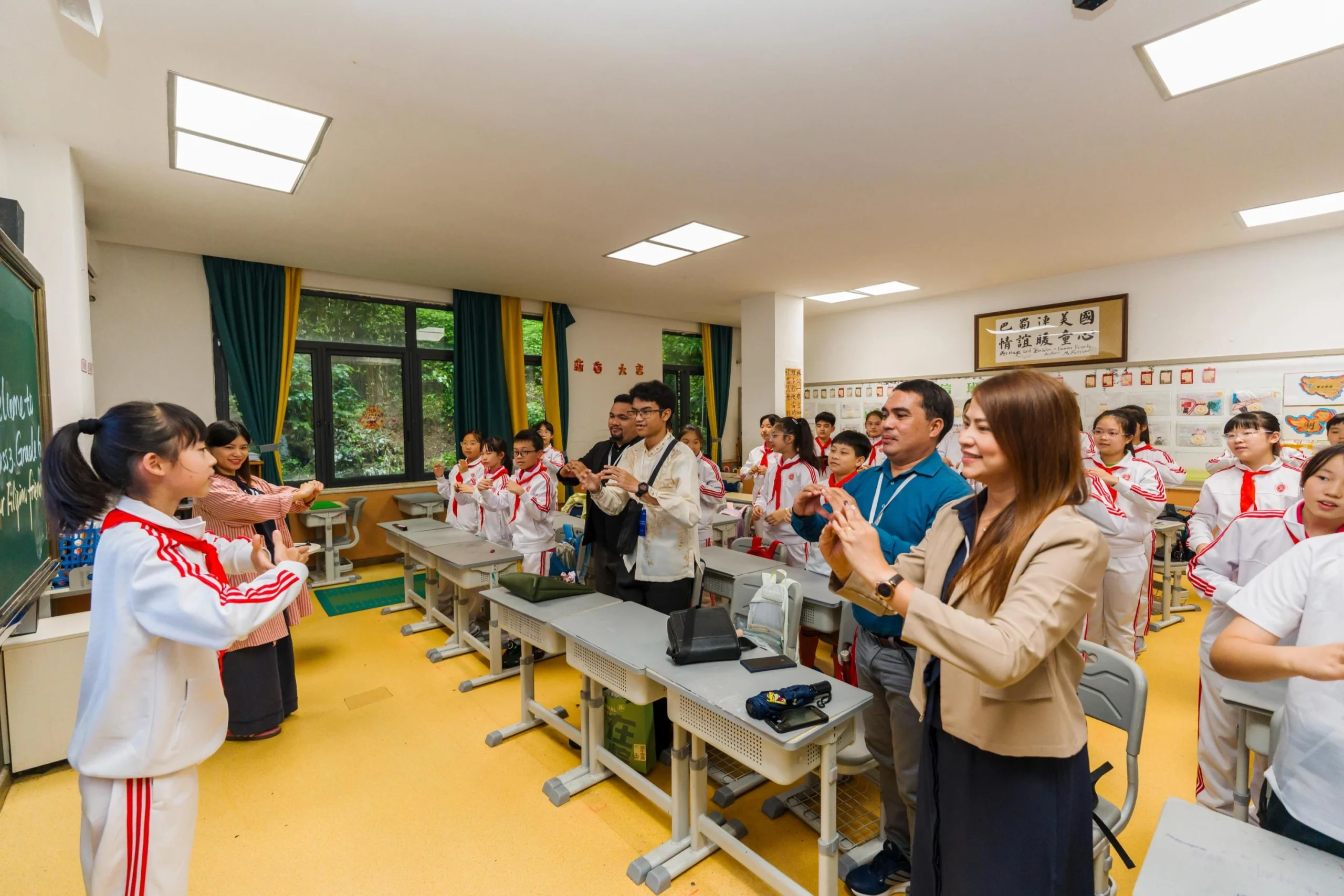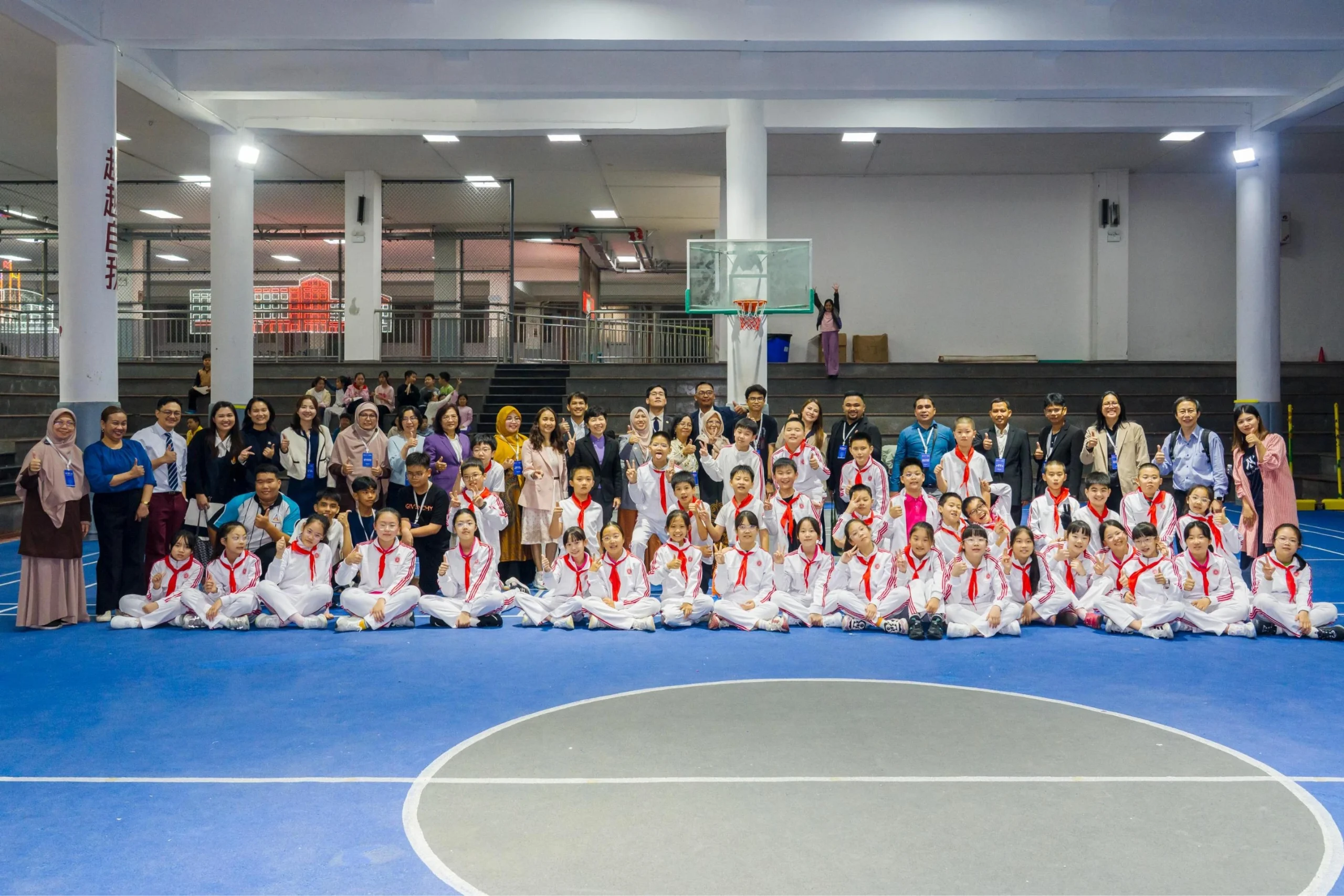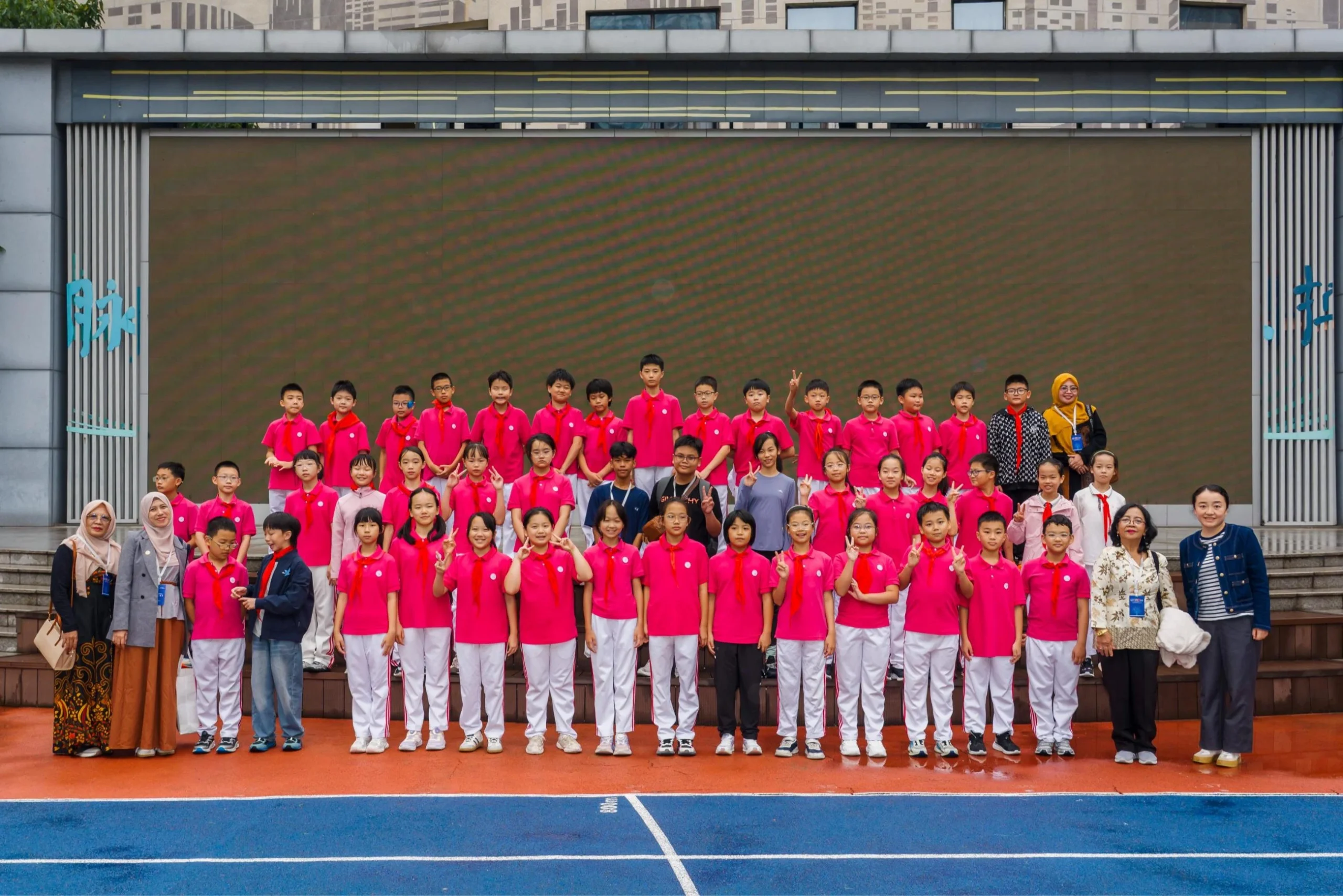
Beyond the STEM demonstrations and academic exchanges, the China-ASEAN STEM Innovation and Practice Teacher and Student Exchange Programme brought participants closer to Chinese school life and culture through classroom interactions, homestays and visits to local attractions. Held from 26–28 October 2026 in Chongqing, China, the programme brought together students, teachers and education representatives from China, Indonesia, Philippines and Thailand, including SEAMEO STEM-ED, extending the exchange beyond formal educational activities.
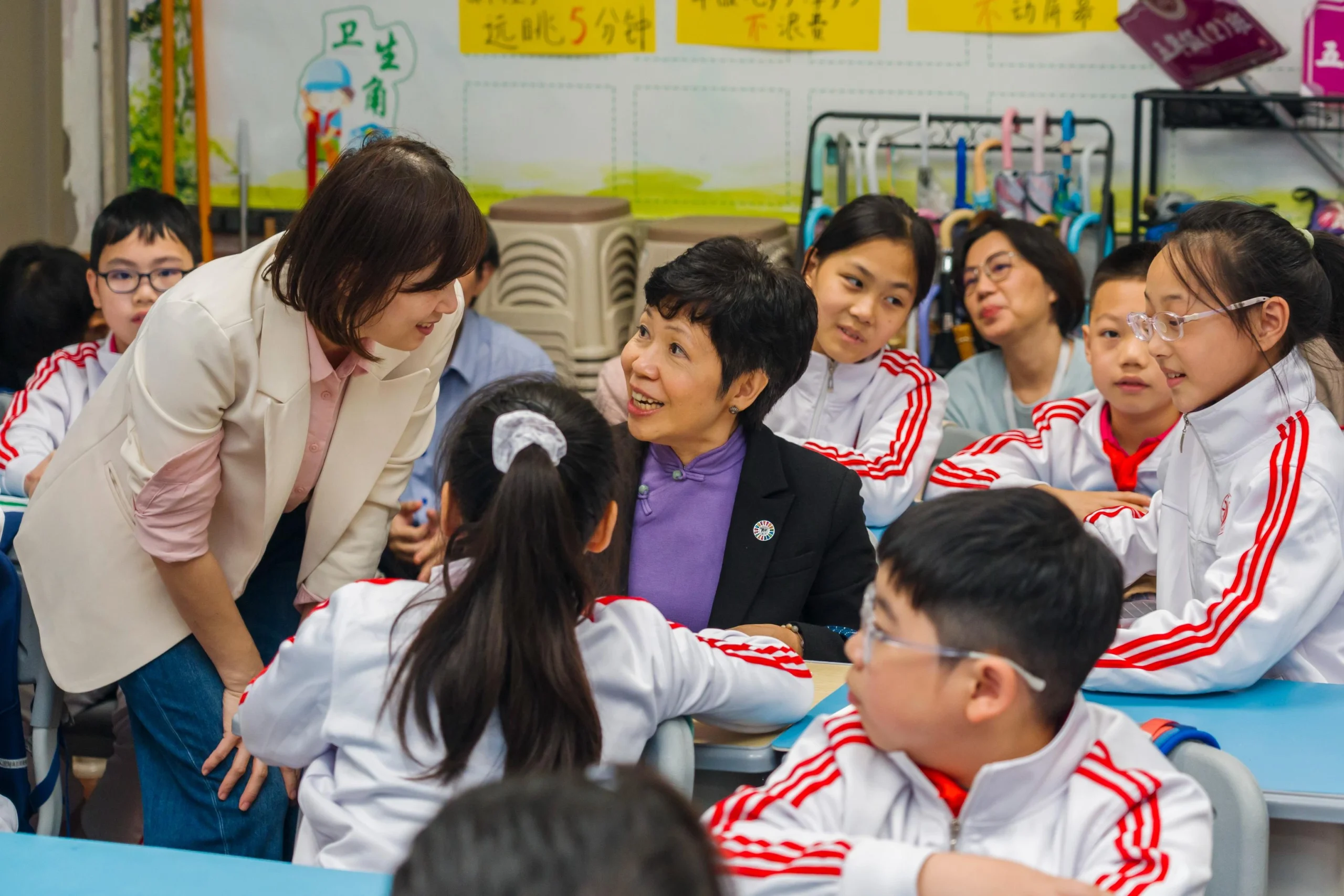
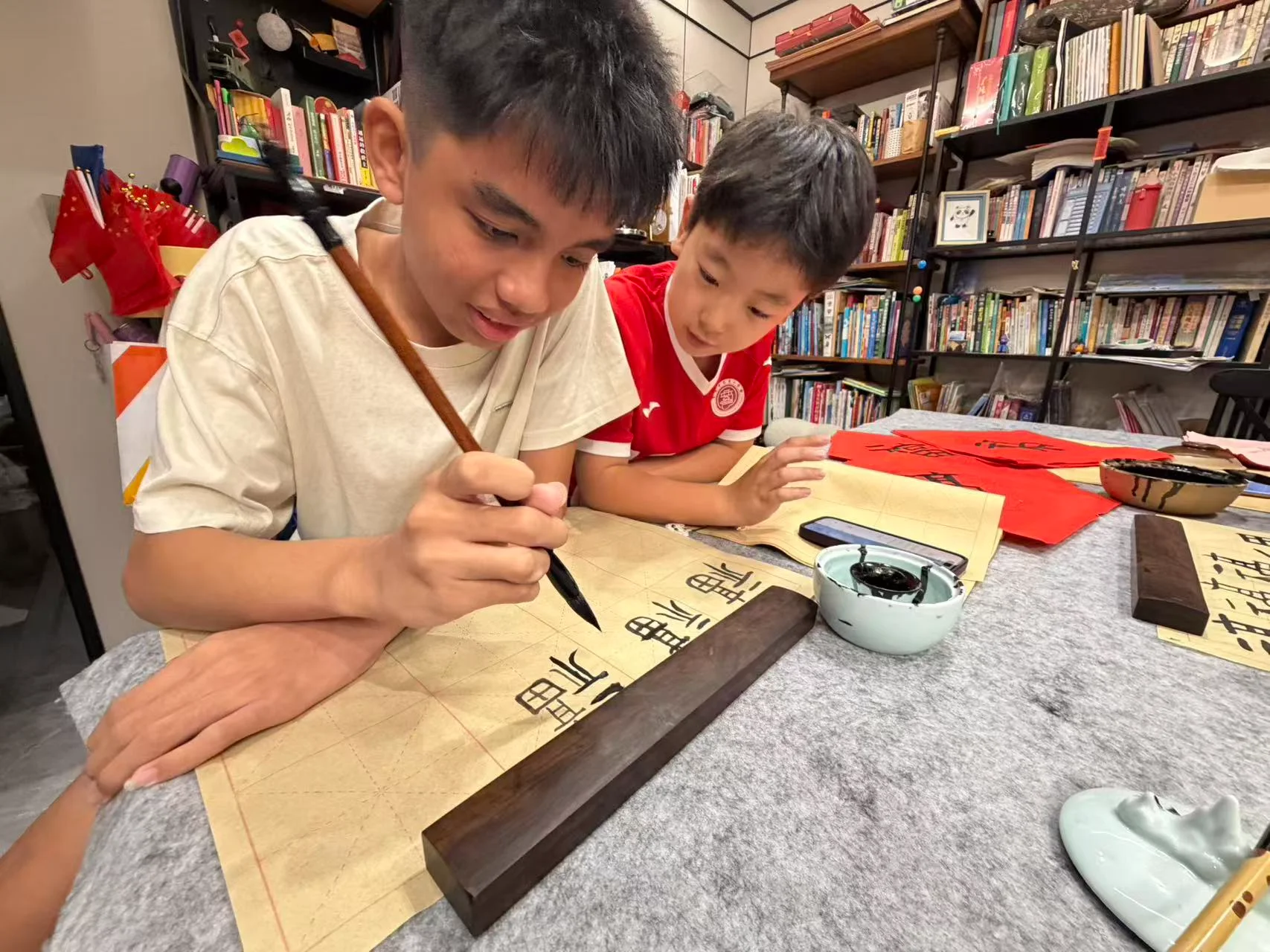
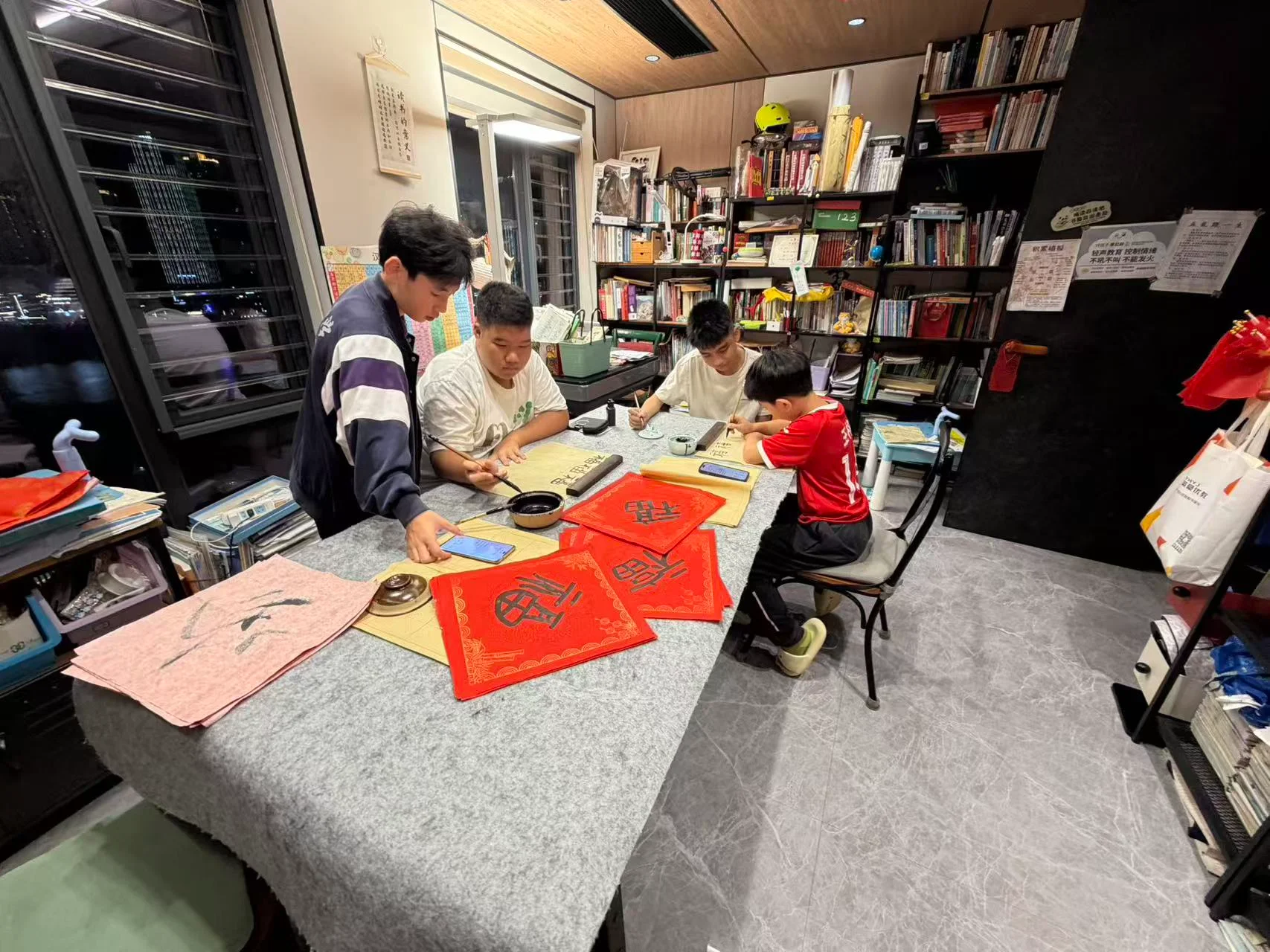
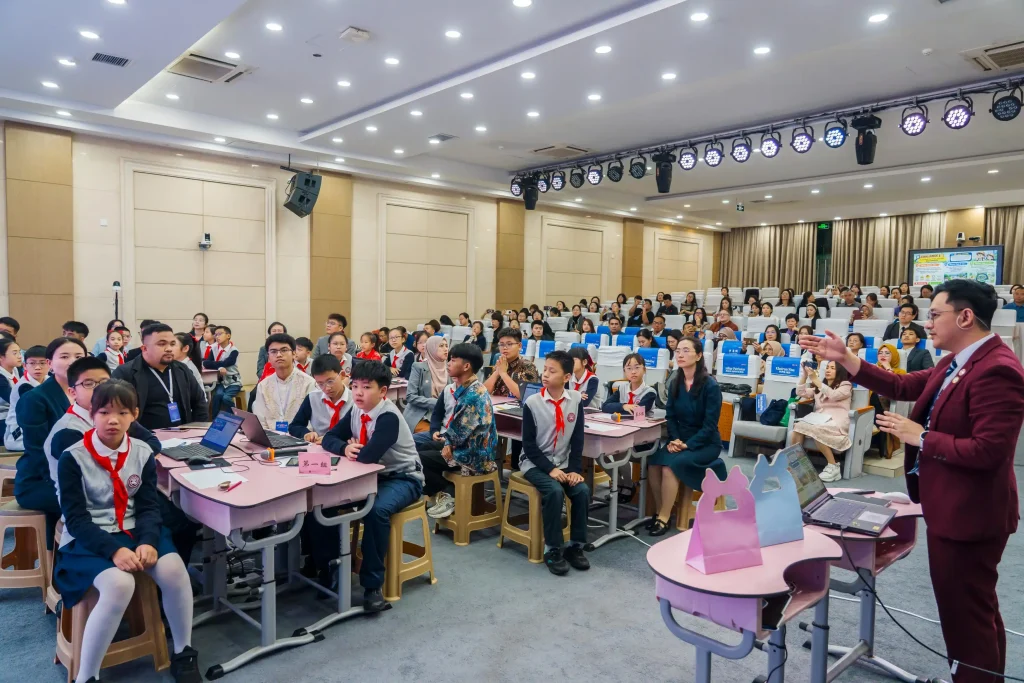
At Chongqing Bashu Primary School, education extends beyond academic achievement and STEM learning to embrace language, culture, the arts and sports. This broader approach to cross-cultural relationship-building and student development was evident during the Southeast Asian students’ homestays and school visits, where delegations from Indonesia, Philippines and Thailand experienced classroom life and connected with their Chinese peers. The cultural exchange continued outside the classroom as volunteer host families in Chongqing welcomed visiting students into their homes, introducing them to Chinese customs and everyday life through immersive local experiences.
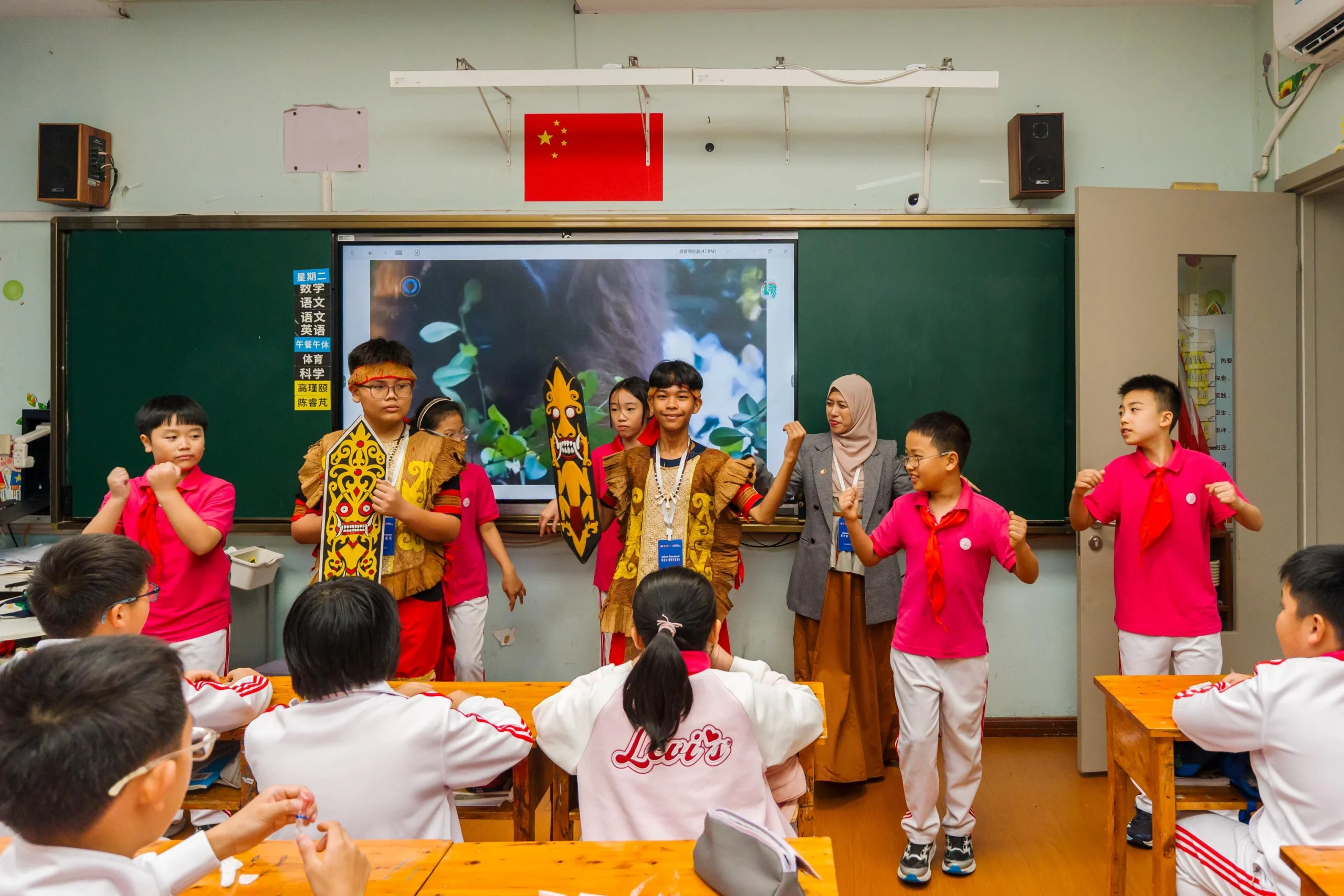
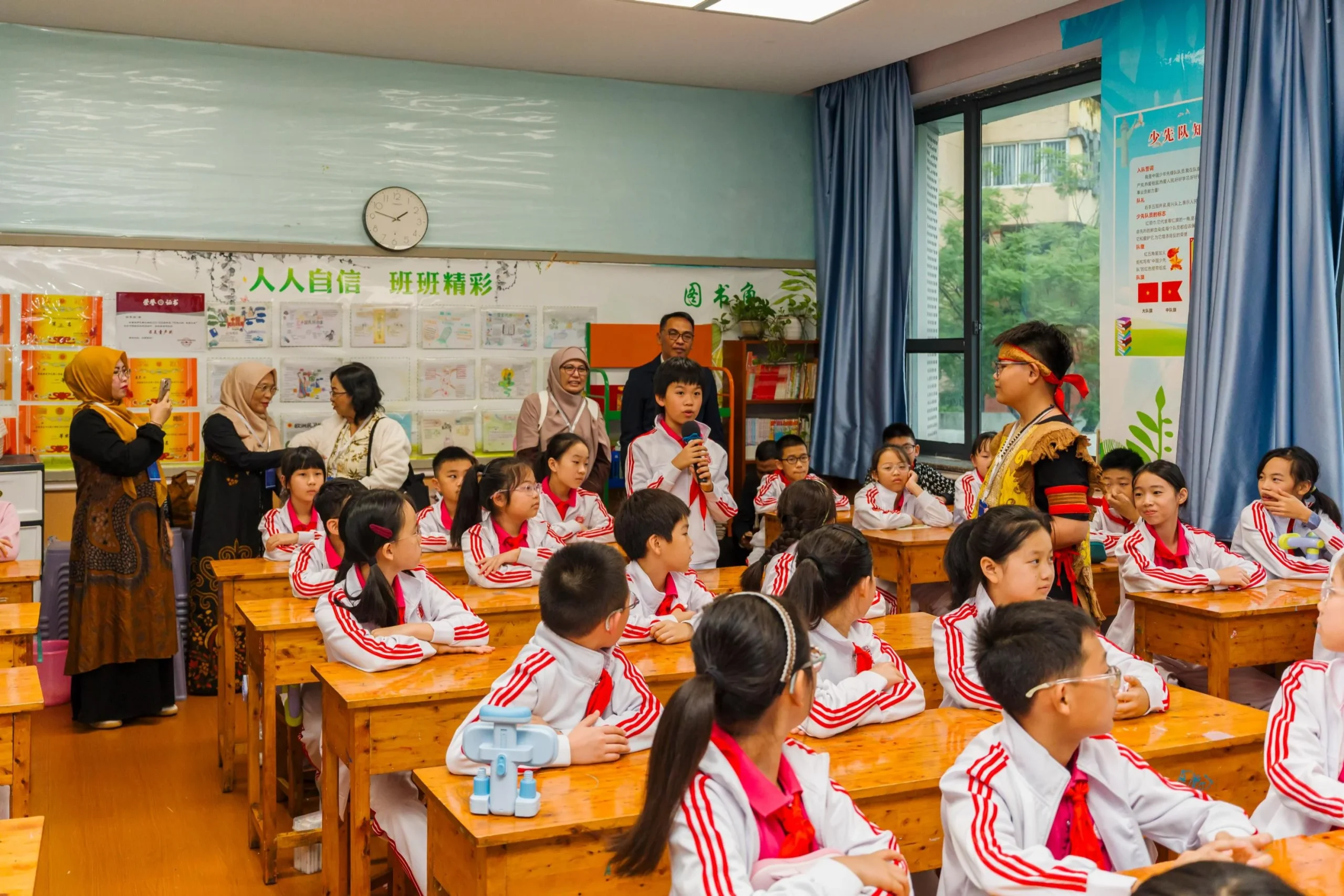
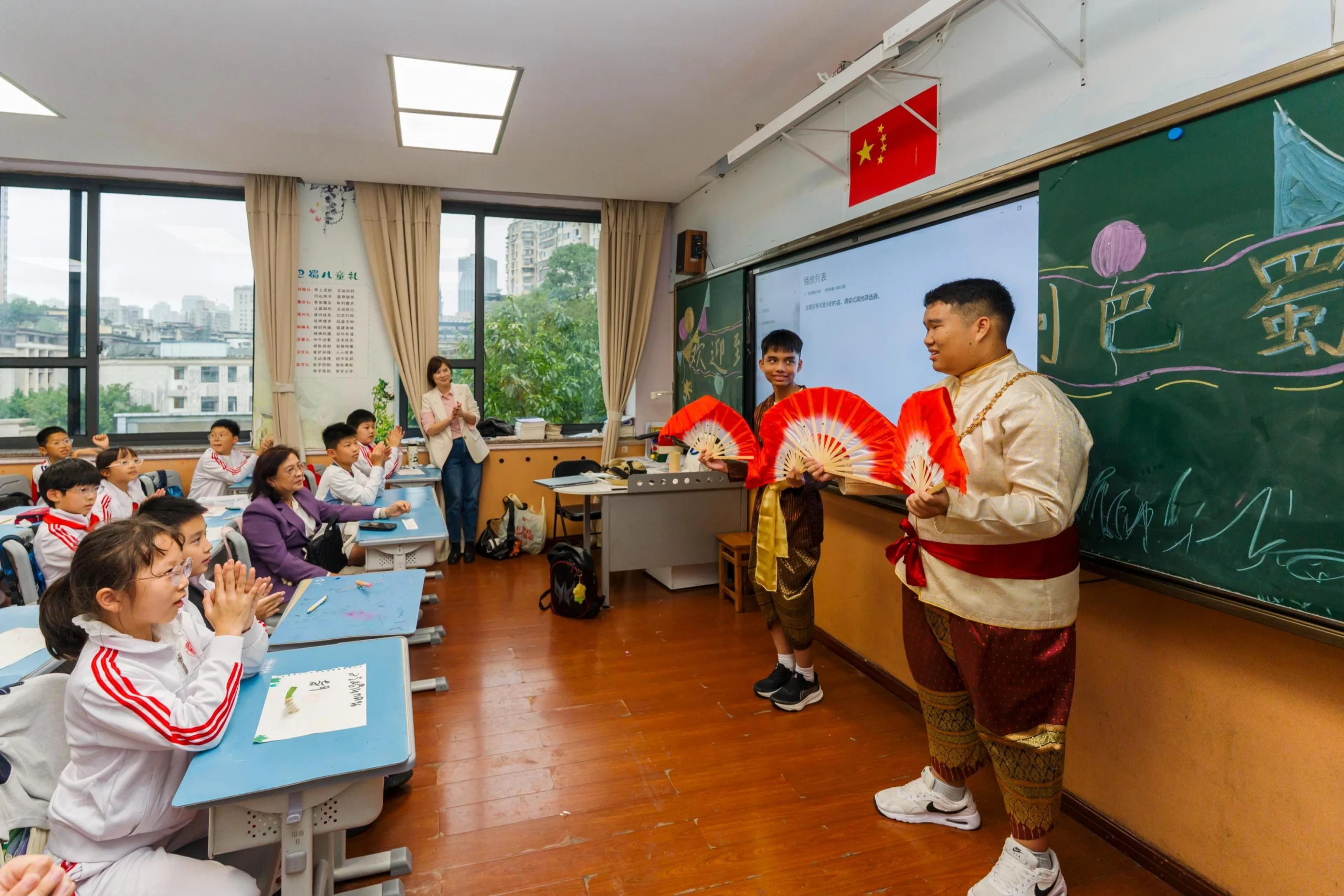
Students from Indonesia, the Philippines, and Thailand stayed with host families throughout the three-day trip. These cultural exchanges began in the home and extended into the school environment. During the school visit, the Southeast Asian delegations joined their student hosts in the classroom, where they introduced their home countries through presentations and cultural performances, while their Chinese peers shared local cultural activities. Interactive questions and answers sessions provided opportunities for students to connect and learn about one another's backgrounds.
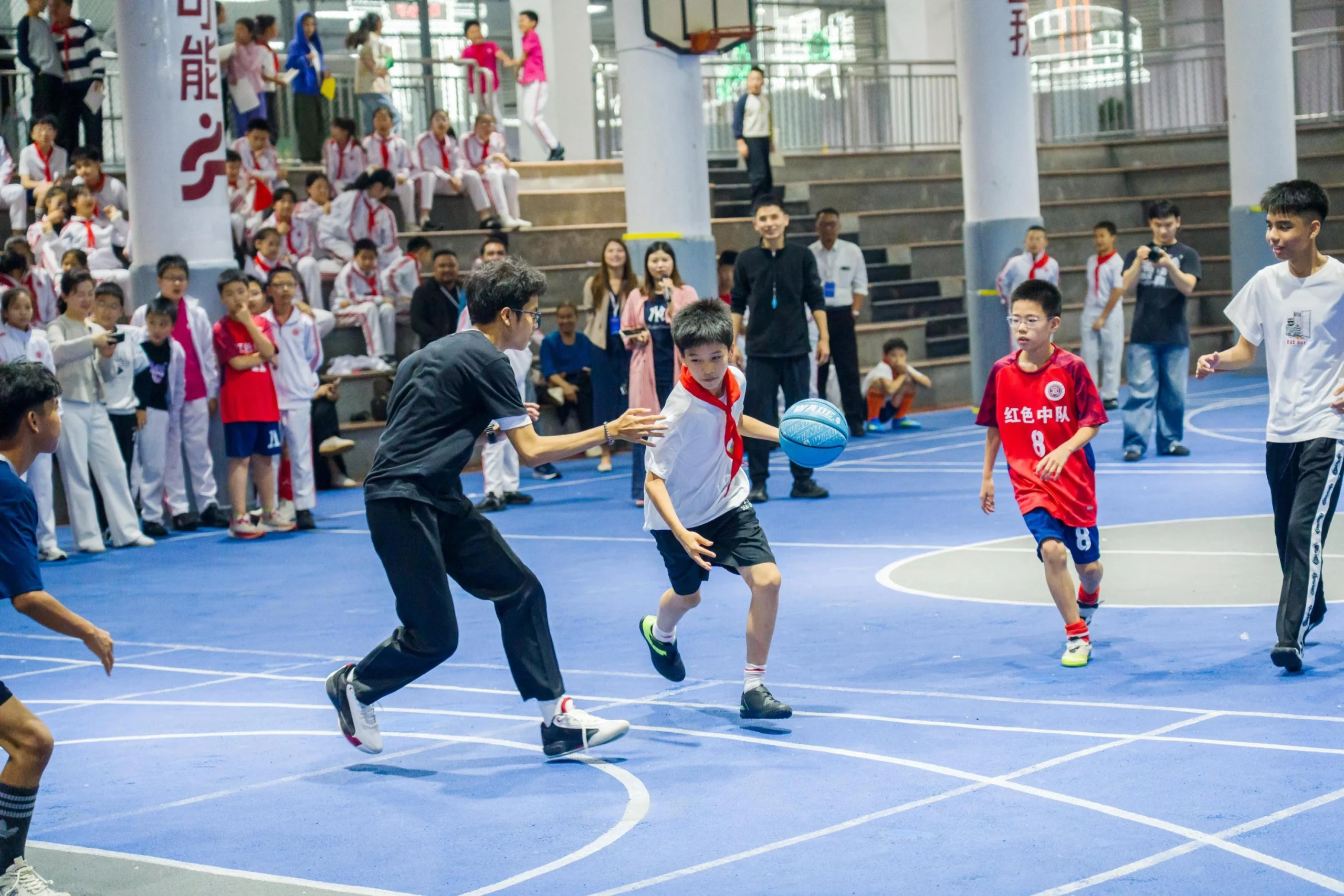
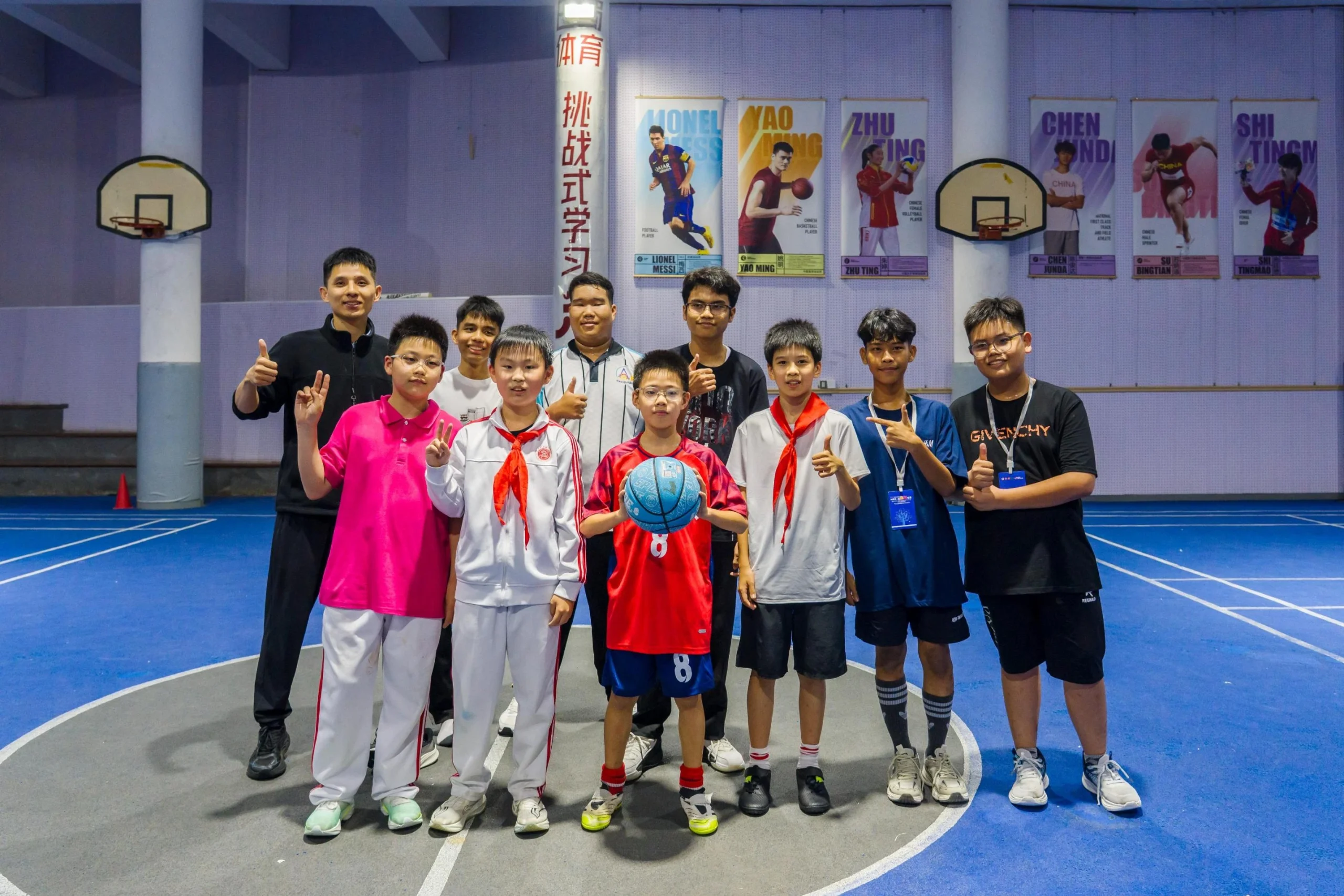
The exchange continued beyond the classroom as visiting students joined in physical education activities, including basketball and rope jumping. These shared experiences highlighted a holistic approach to education that balances intellectual, emotional, and physical development. Additionally, the informal setting fostered meaningful interaction, where active participation and teamwork helped bridge language and cultural differences.
The programme also offered opportunities for participants to explore Chongqing through visits to cultural, historical and educational attractions such as the Three Gorges Museum, Beibei Natural History Museum, Jiangbei Science and Technology Museum and Chongqing Zoo's Panda Breeding Centre. These visits provided additional perspectives on the city's heritage, natural environment and scientific development.
While STEM education remained central to the programme, the school visits, cultural activities and homestay experiences broadened the exchange through personal interactions and shared experiences. Together, these activities strengthened cross-cultural understanding and highlighted the role of educational collaboration in building connections among students, educators and education partners across China and Southeast Asia.
Photo Credit: Chongqing Bashu Primary School