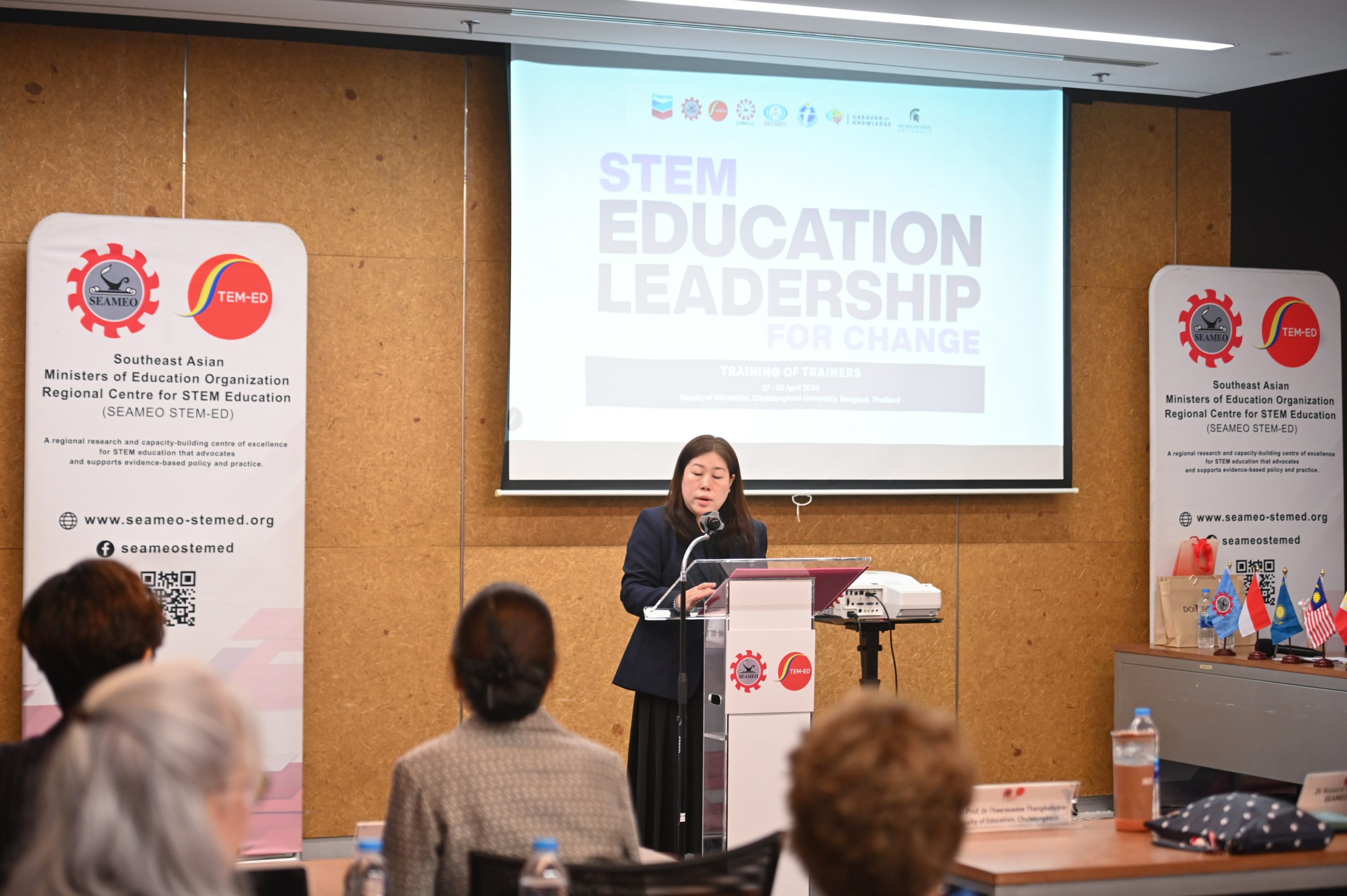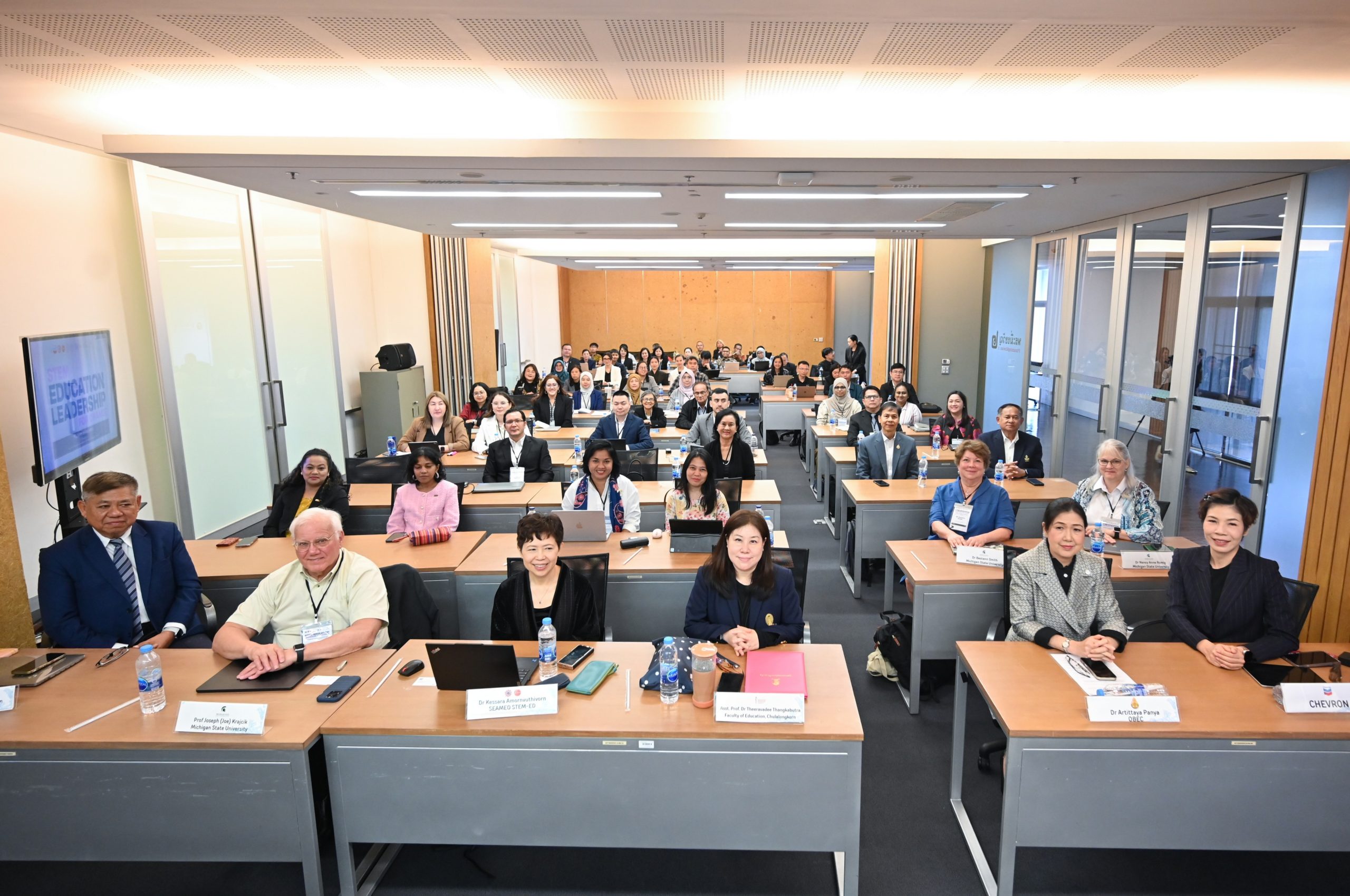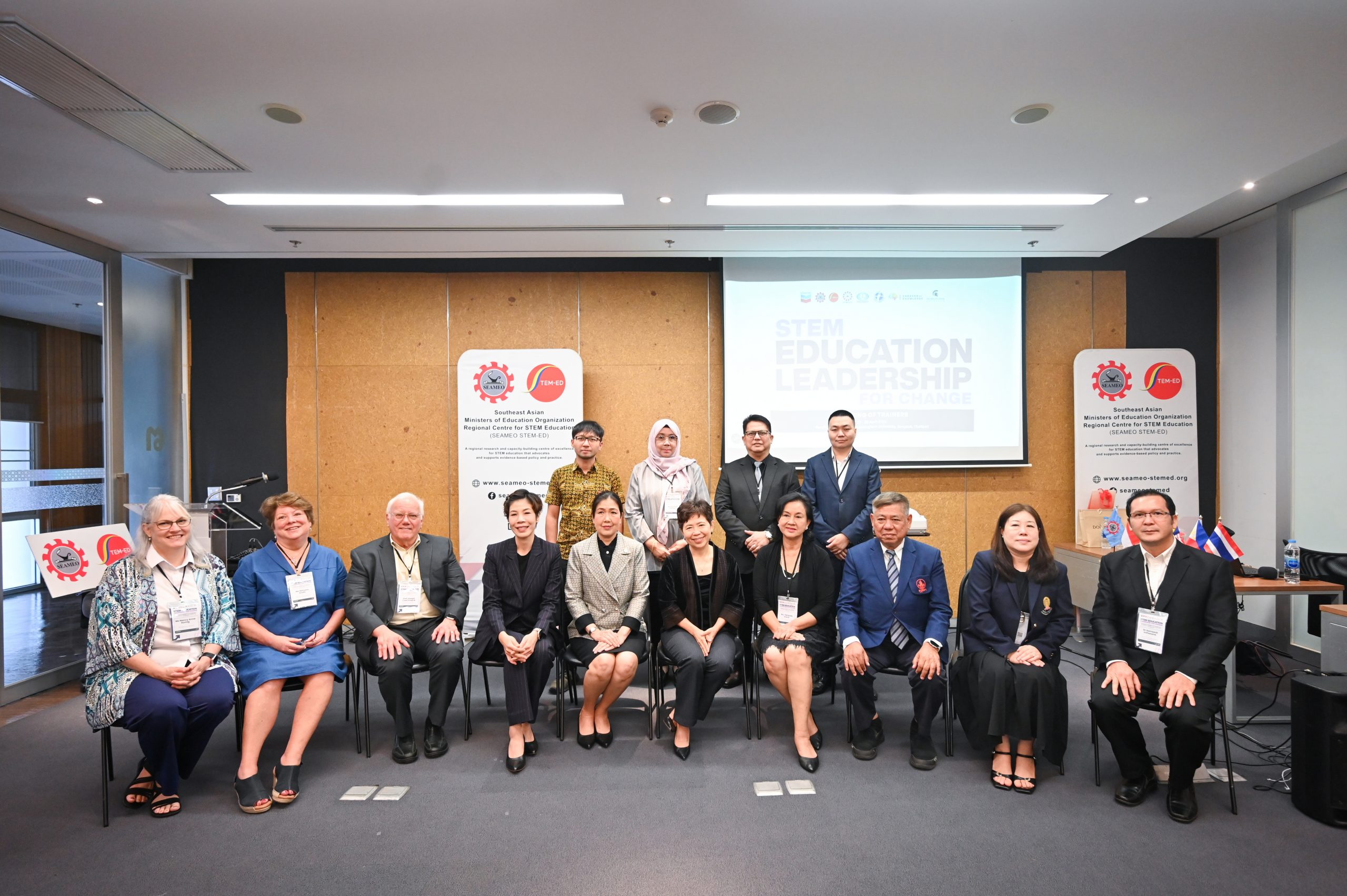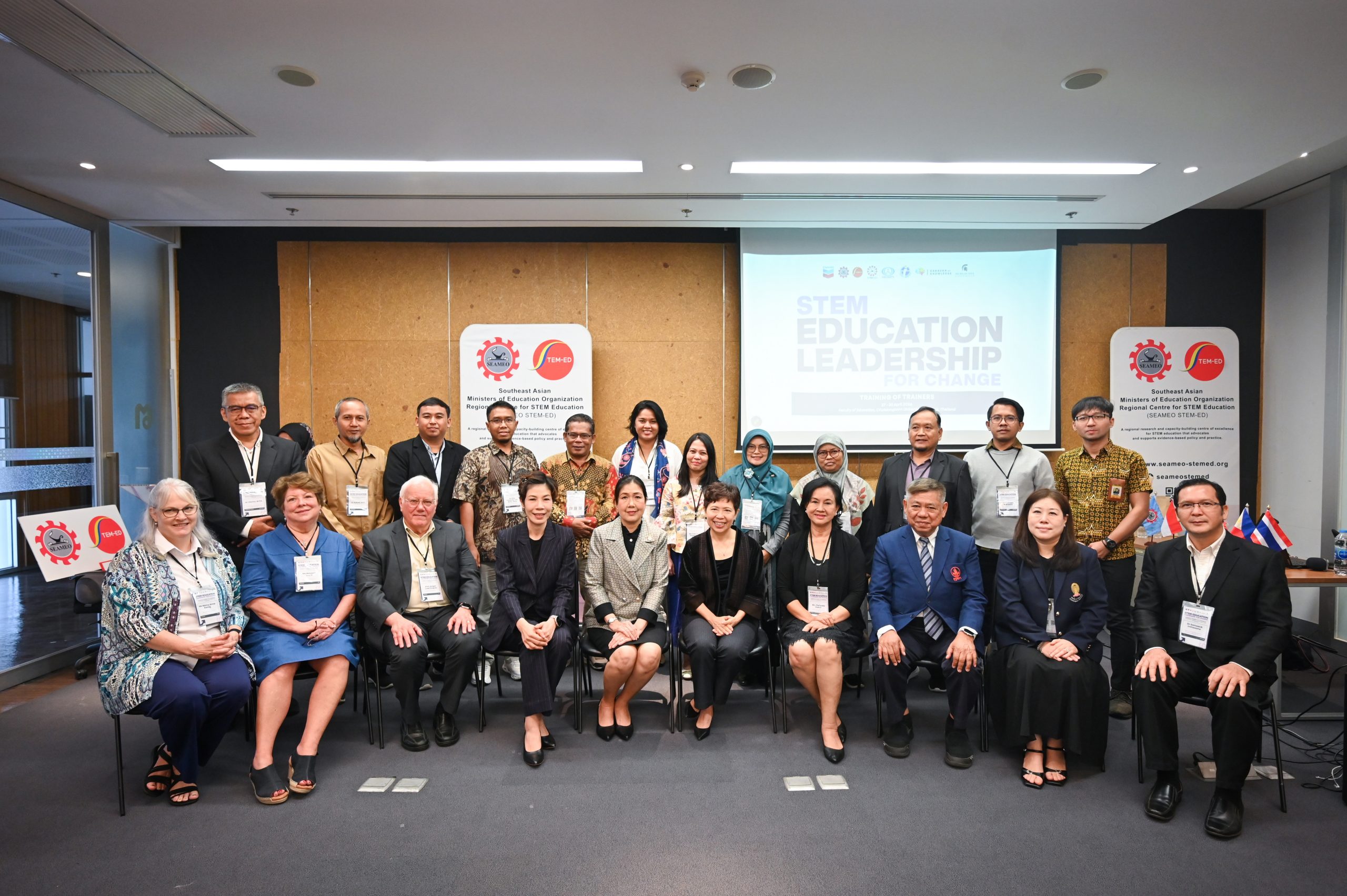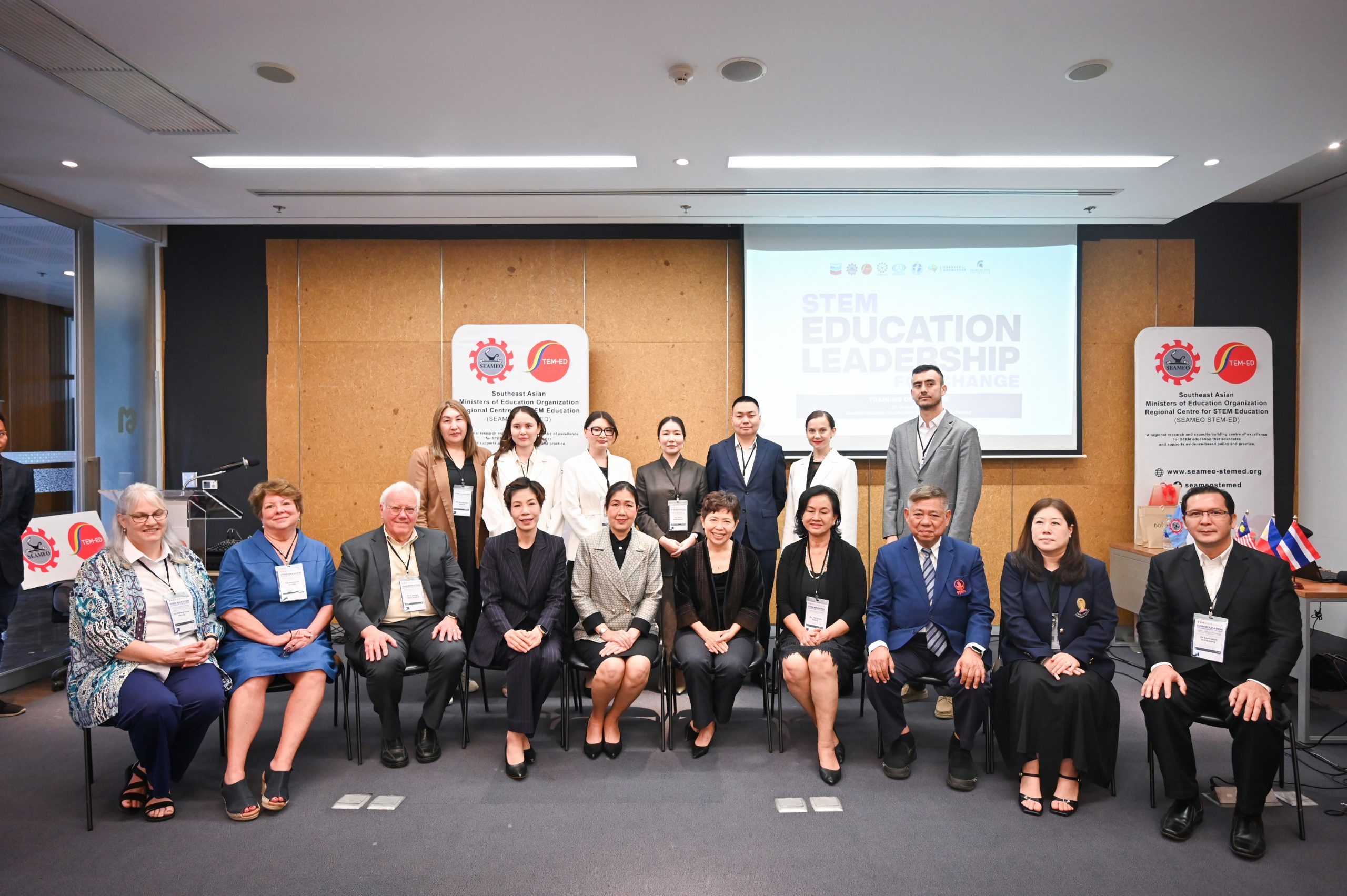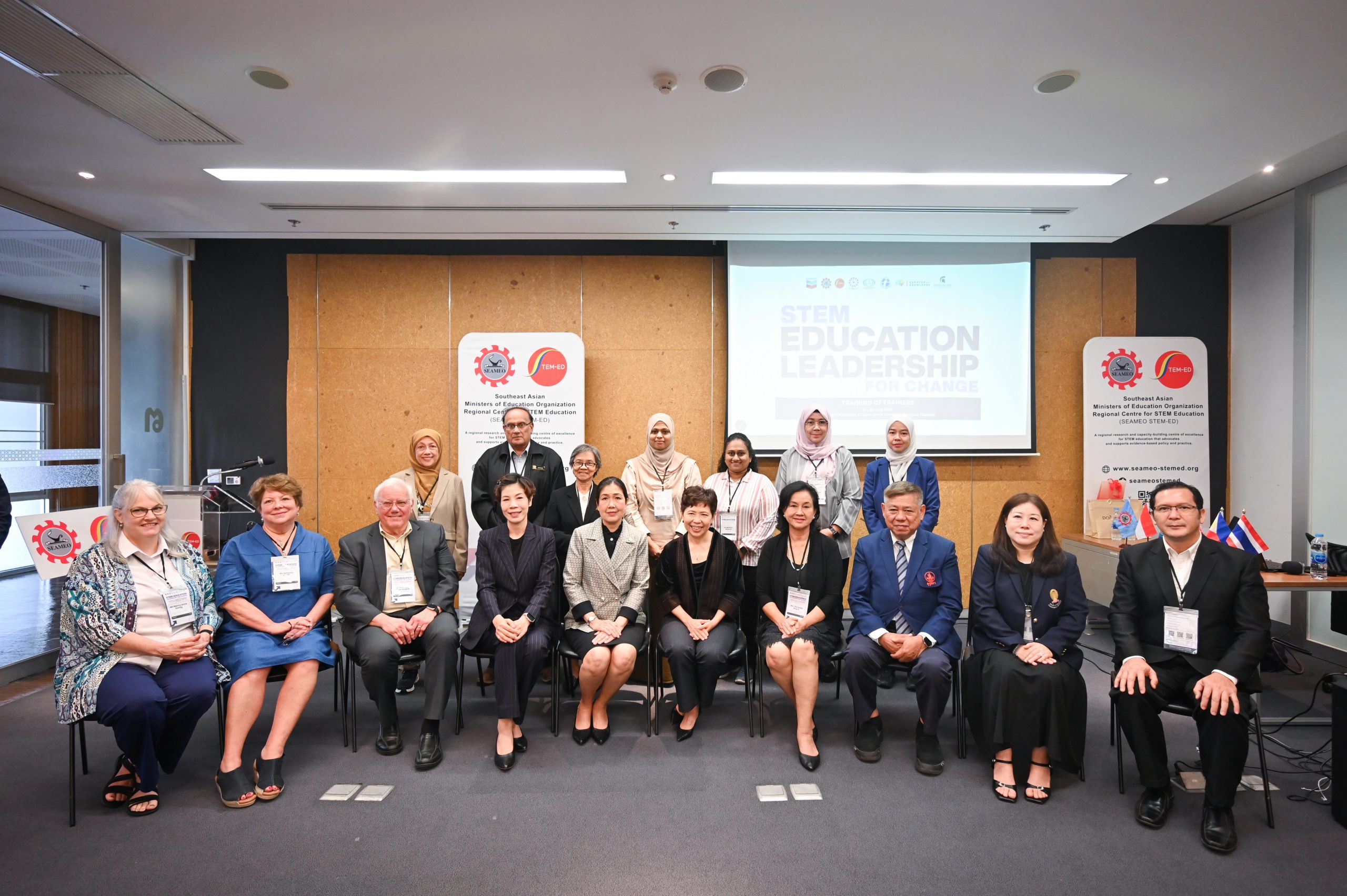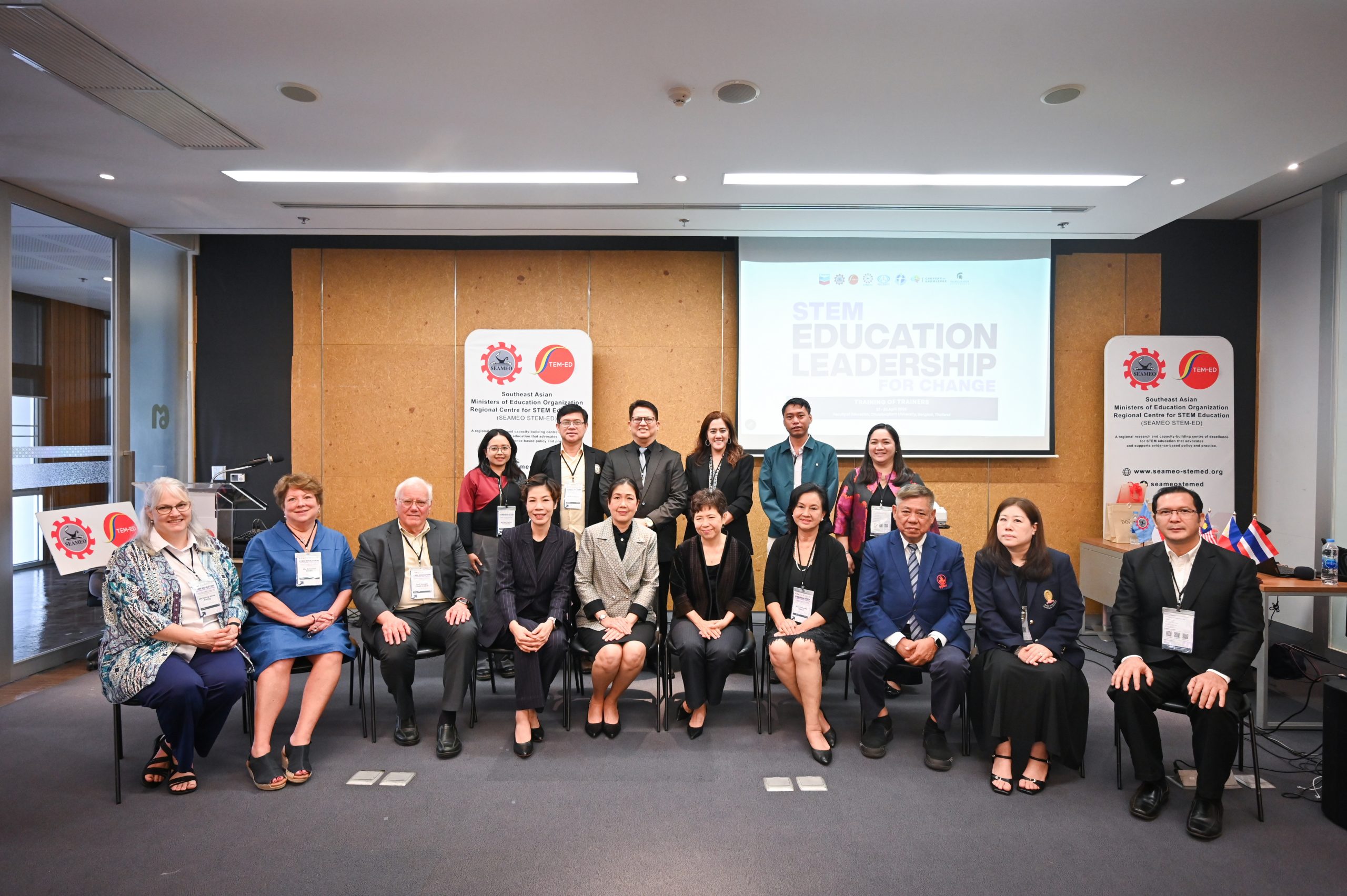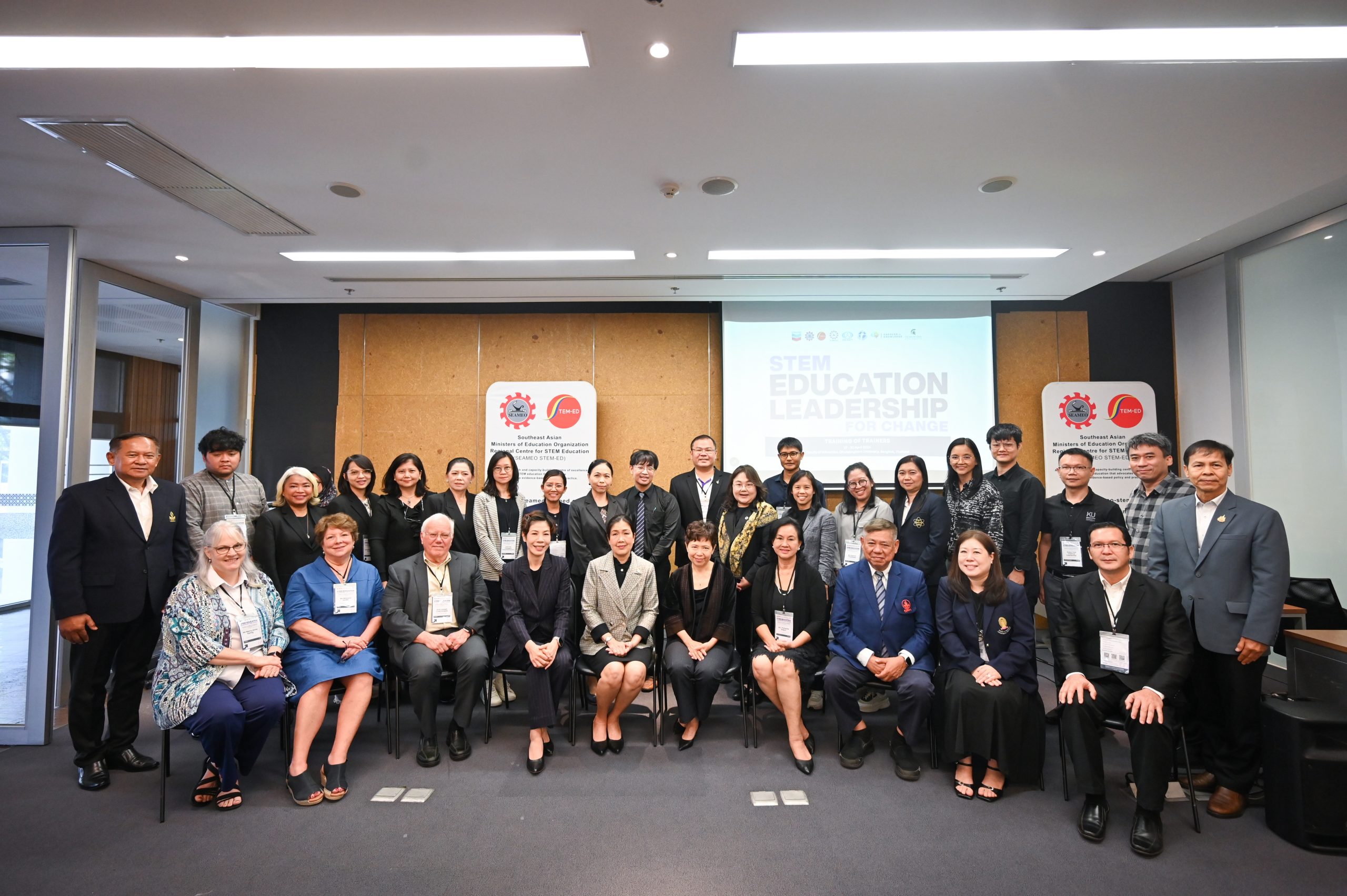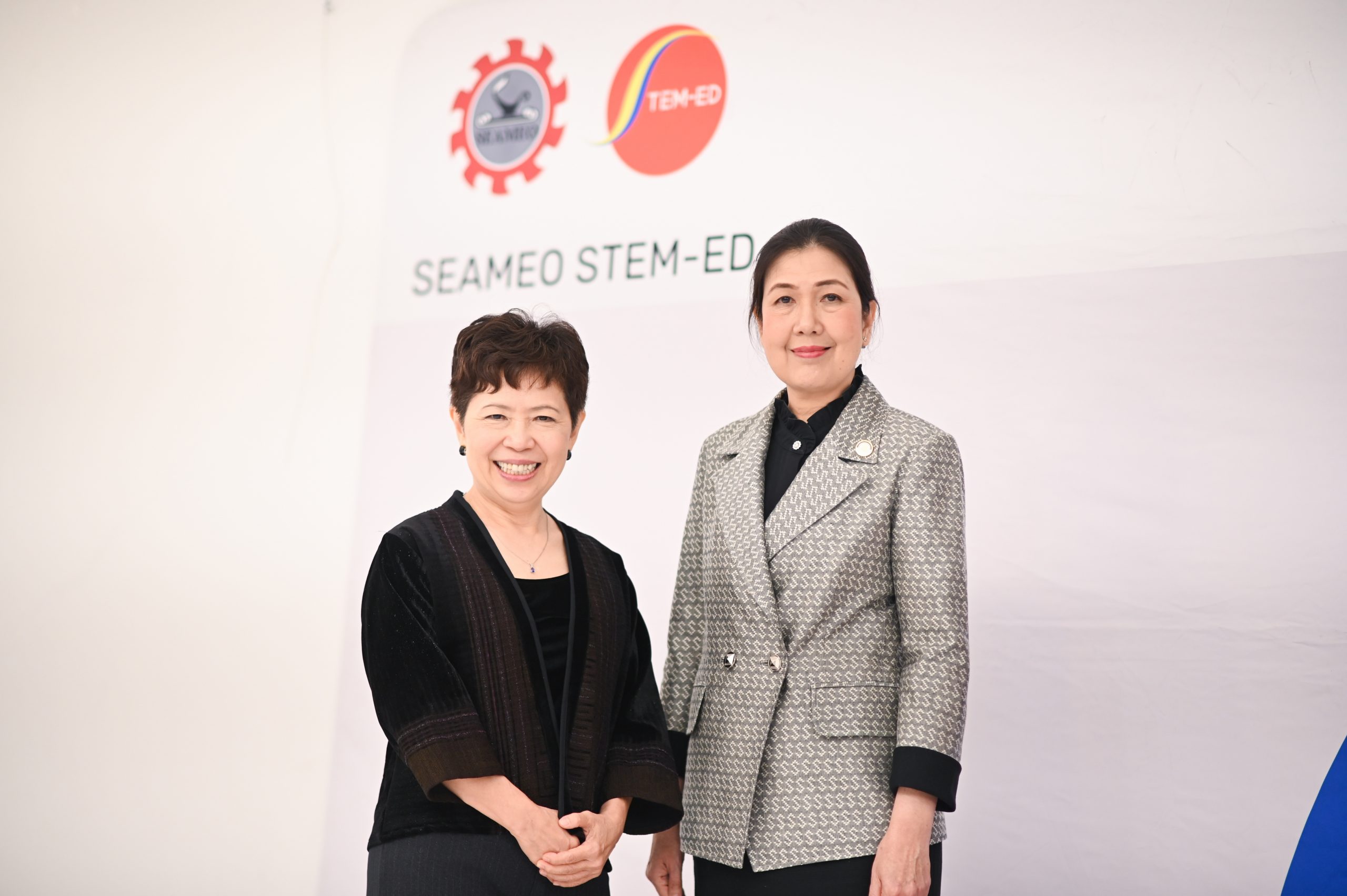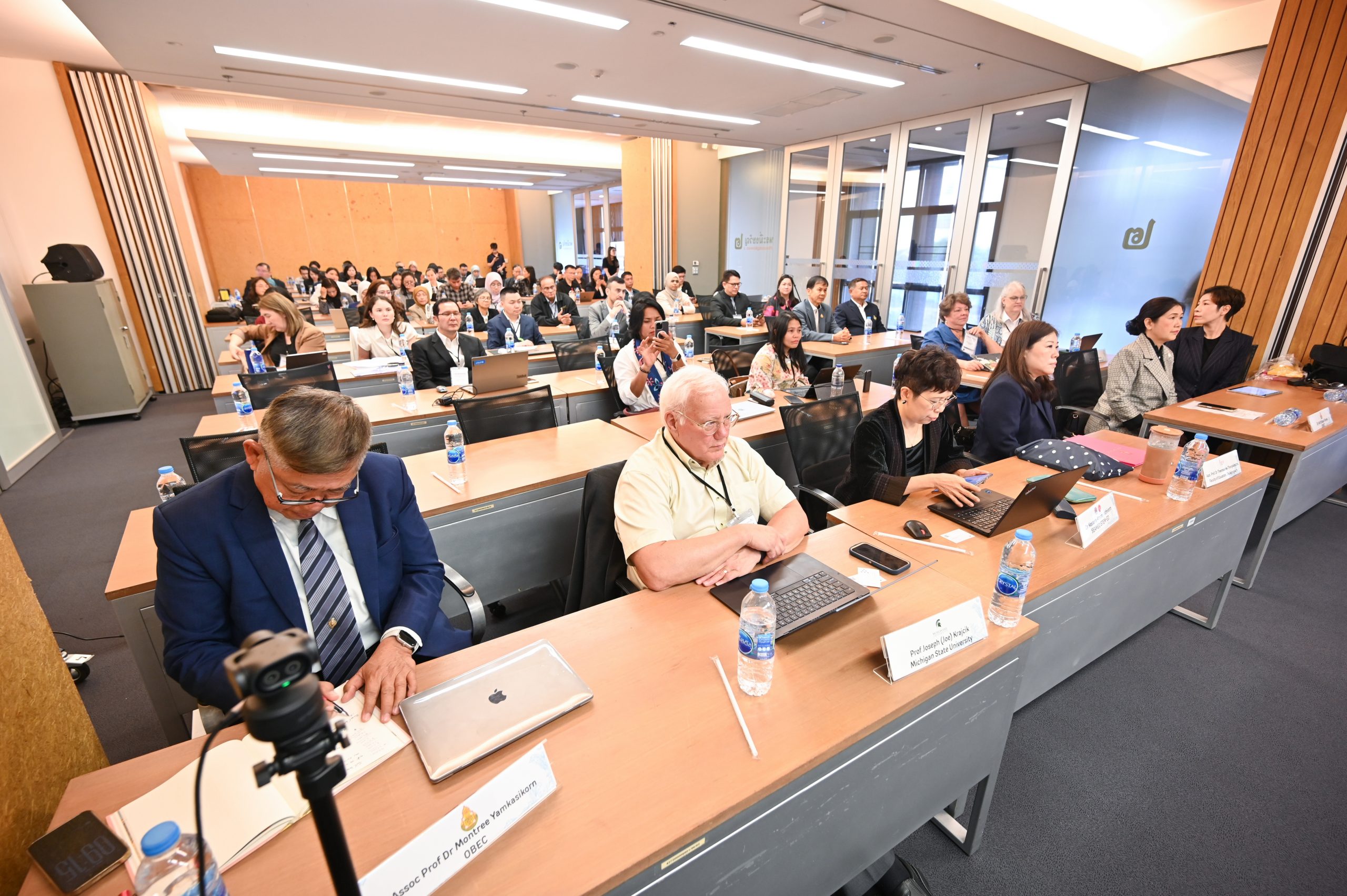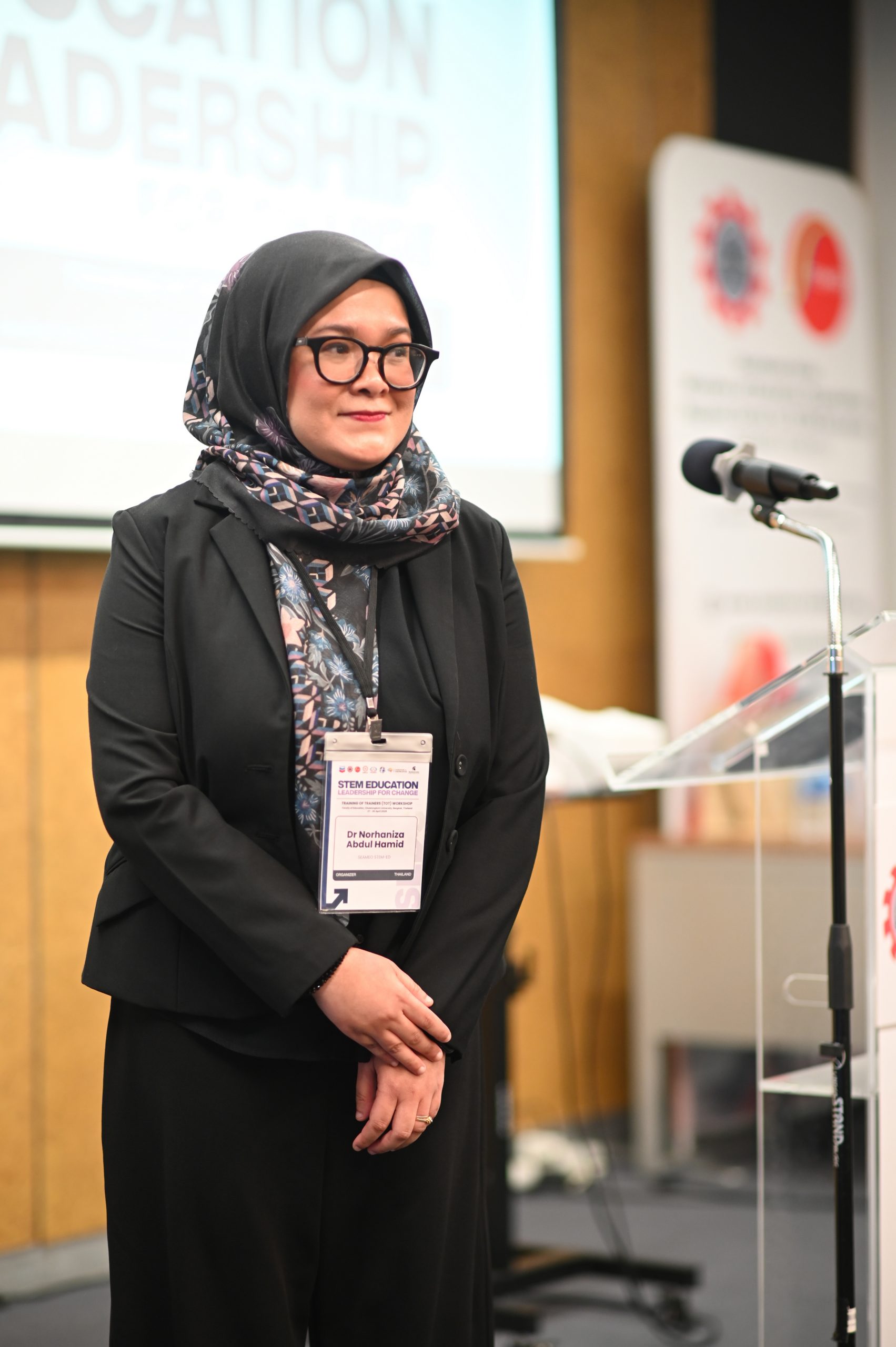
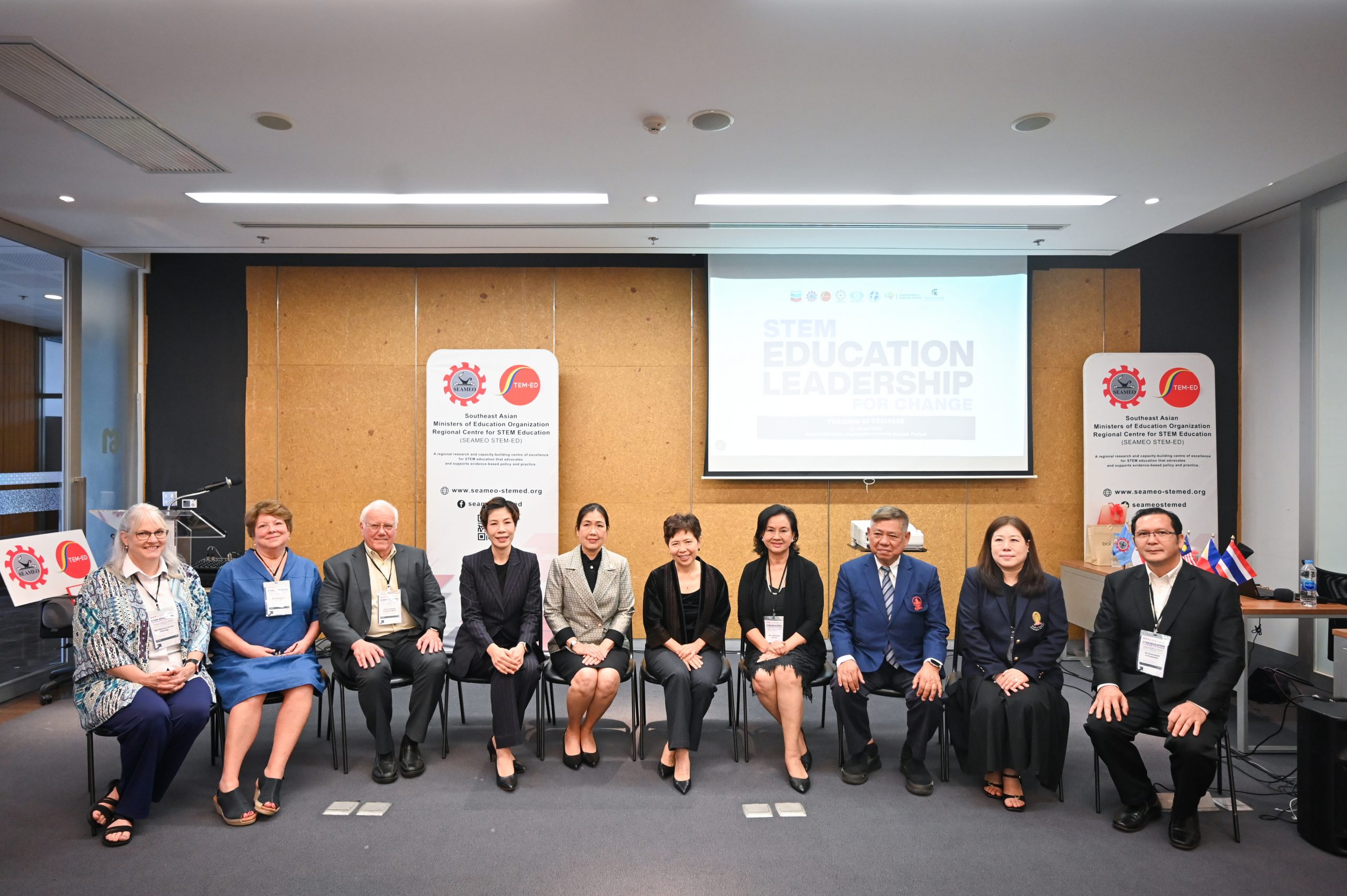
Bangkok, Thailand — 27 April 2026 — Education leaders, policymakers, university partners, and international experts from across Southeast Asia gathered at the Faculty of Education, Chulalongkorn University for the launch of the Training of Trainers (ToT) Workshop under the STEM Education Leadership for Change Programme, marking a key step forward in regional efforts to strengthen STEM education and instructional leadership.
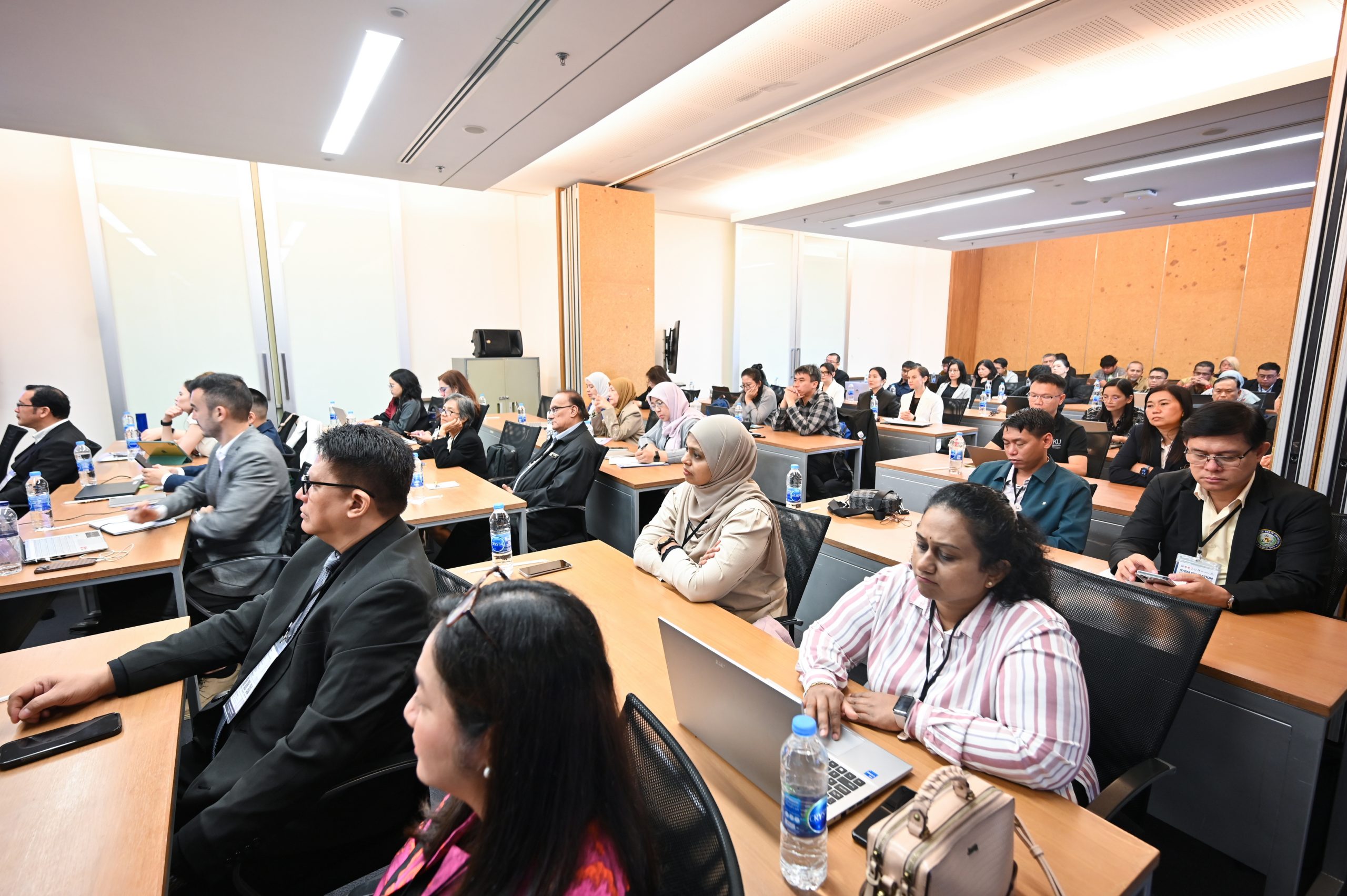
Continuing from the programme’s kick-off earlier this year, the four-day workshop brings together approximately 80 participants from SEAMEO regional centres, national education agencies, universities, and international partner organisations to advance integrated STEM education aligned with the PISA competency framework.
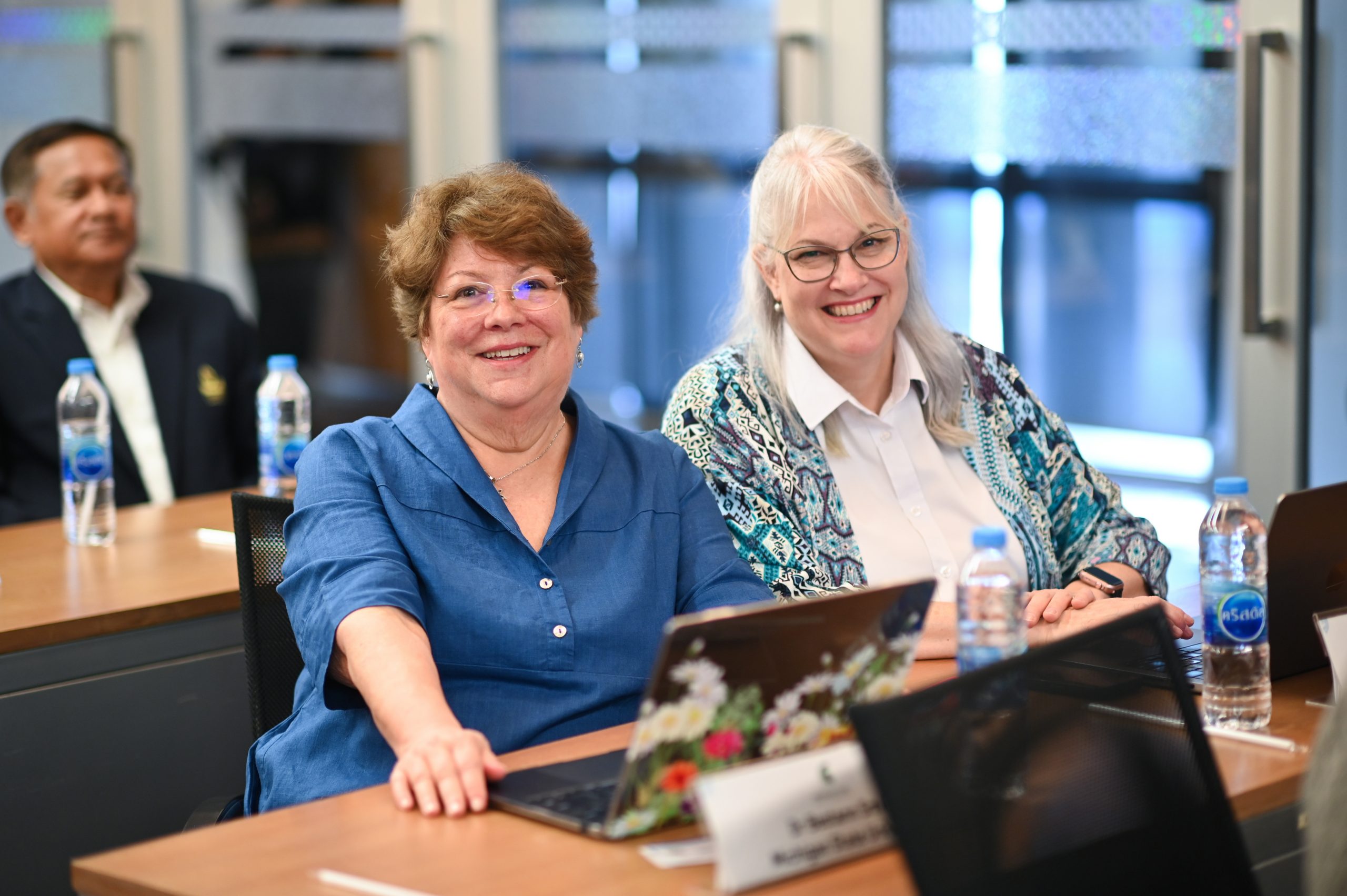
Participants include representatives from SEAMEO STEM-ED, SEAMEO INNOTECH, SEAMEO RECSAM, SEAMEO SEAMOLEC, and Caravan of Knowledge, alongside officials from Thailand’s Ministry of Education agencies, including OBEC, IPST, ONESQA, the Teachers’ Council of Thailand, and the Bureau of International Cooperation, Office of the Permanent Secretary. University partners from across Thailand are also participating, including Chulalongkorn University, Kasetsart University, Khon Kaen University, Naresuan University, Thaksin University, King Mongkut’s University of Technology Thonburi, Mahasarakham University, Chiang Mai University, Phuket Rajabhat University, and Asian Institute of Technology, together with international collaborators from Michigan State University, STEM Teachers NYC, the UNESCO Office for Climate Education, and Chevron as well as invited guests from the Princess Maha Chakri Award (PMCA) Foundation and Junior Achievement Thailand.
The programme is implemented by SEAMEO STEM-ED in partnership with SEAMEO INNOTECH, SEAMEO RECSAM, SEAMEO SEAMOLEC, Caravan of Knowledge, and Michigan State University, and is funded by Chevron, whose support enables the implementation of this regional initiative.
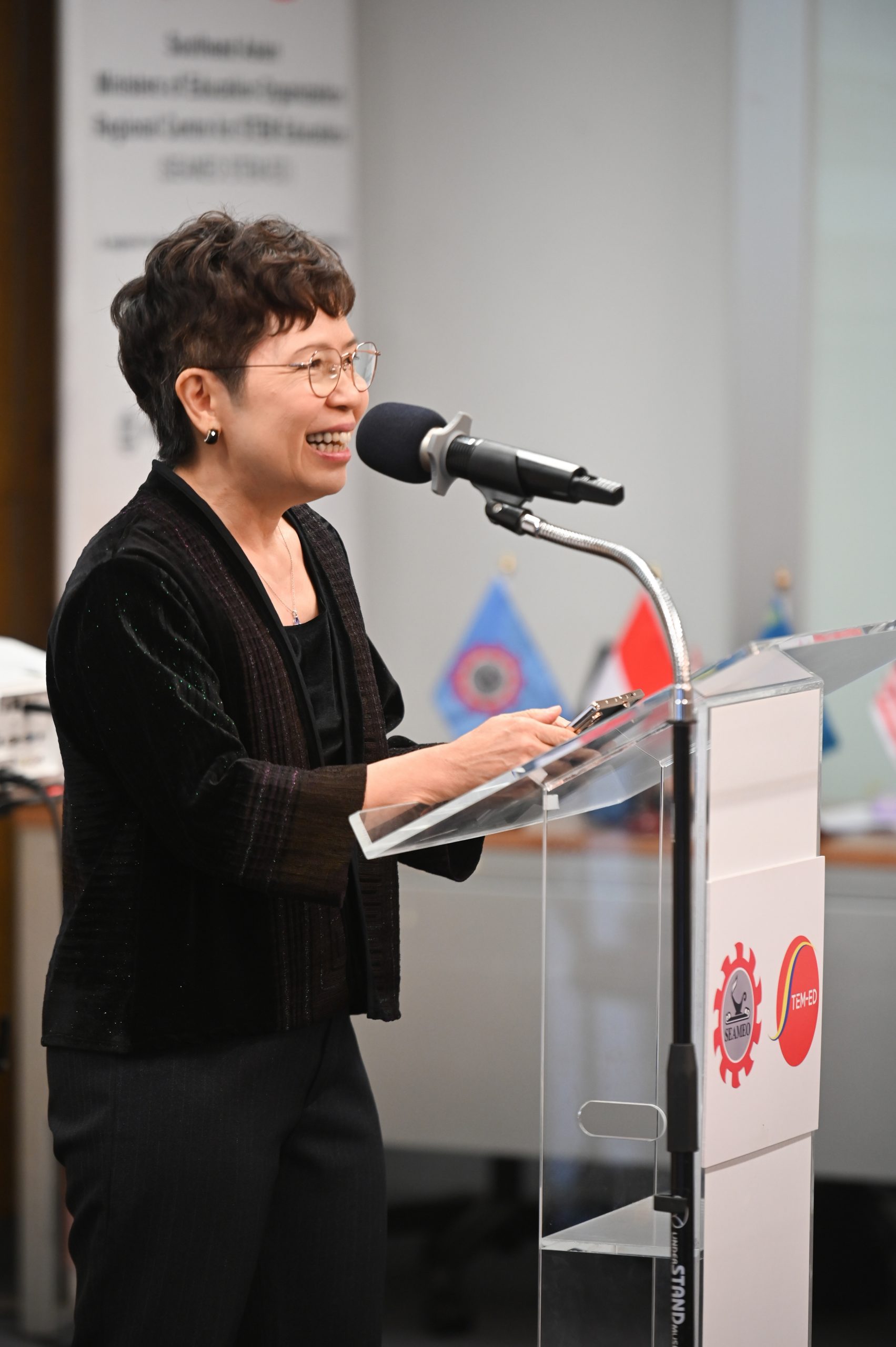
Opening the workshop, Asst Prof Dr Theeravadee Thangkabutra, Associate Dean of the Faculty of Education, Chulalongkorn University, welcomed participants and highlighted the persistent gap between educational frameworks and classroom implementation, noting that strengthening STEM education requires both strong teacher preparation and effective instructional leadership.
She further noted that educational leaders must foster environments that support innovative teaching and evidence-based decision-making, and that strengthening STEM education requires bridging theory and practice to ensure that reforms translate into classroom realities.
Dr Kessara Amornvuthivorn, the SEAMEO STEM-ED Centre Director, subsequently presented the Workshop Overview. She highlighted that the program is built upon the achievements and insights leveraged from the preceding Chevron-funded project. This project facilitates collaborative teaching across various subjects by utilising claim-evidence-reasoning and modelling, which aligns well with the PISA competency framework. It emphasises the crucial role of school leadership in supporting the implementation of this initiative. She also underscored the significance of reinforcing a regional network of expert trainers and fostering sustainable STEM education capabilities throughout Southeast Asia.
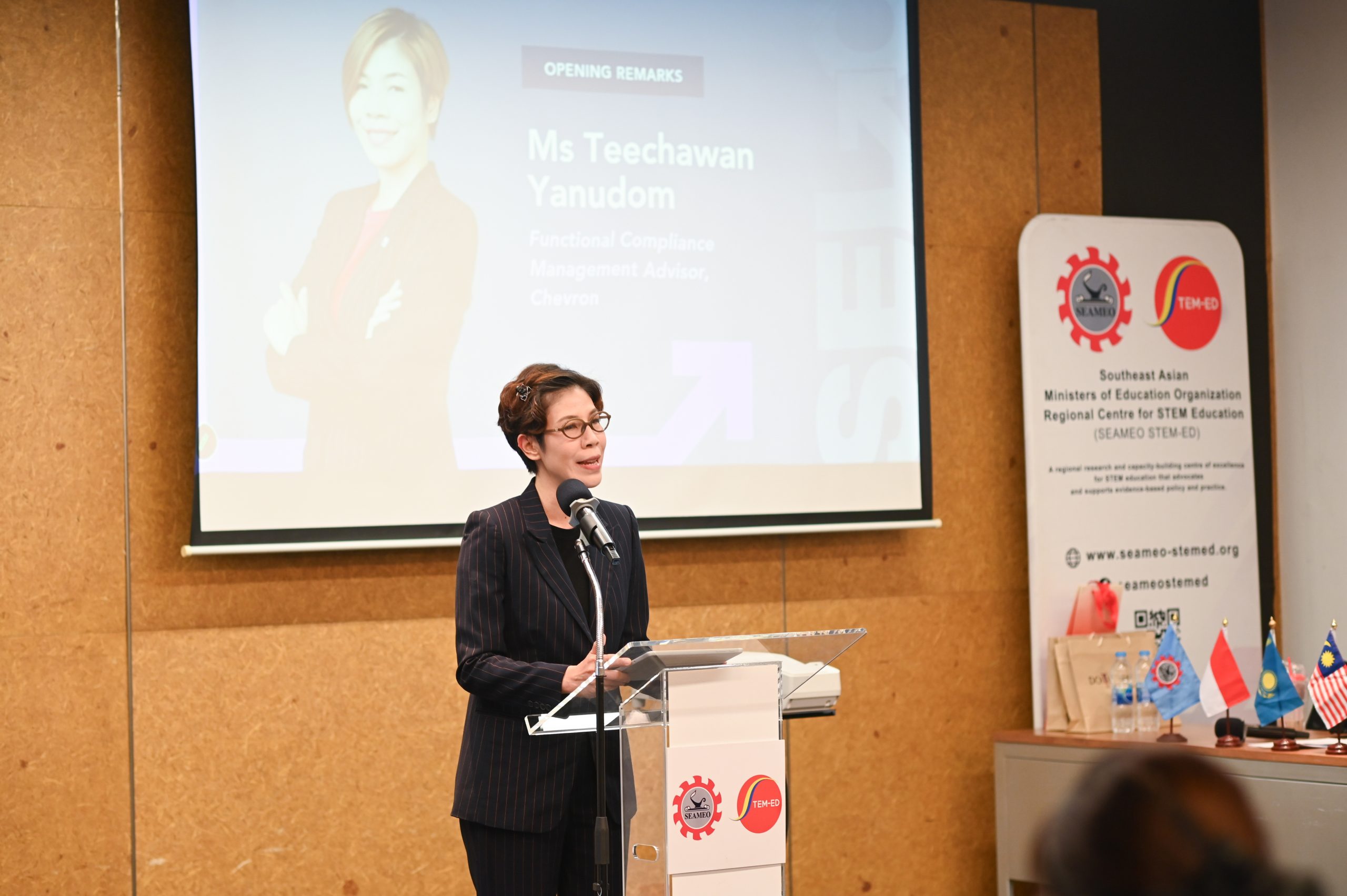
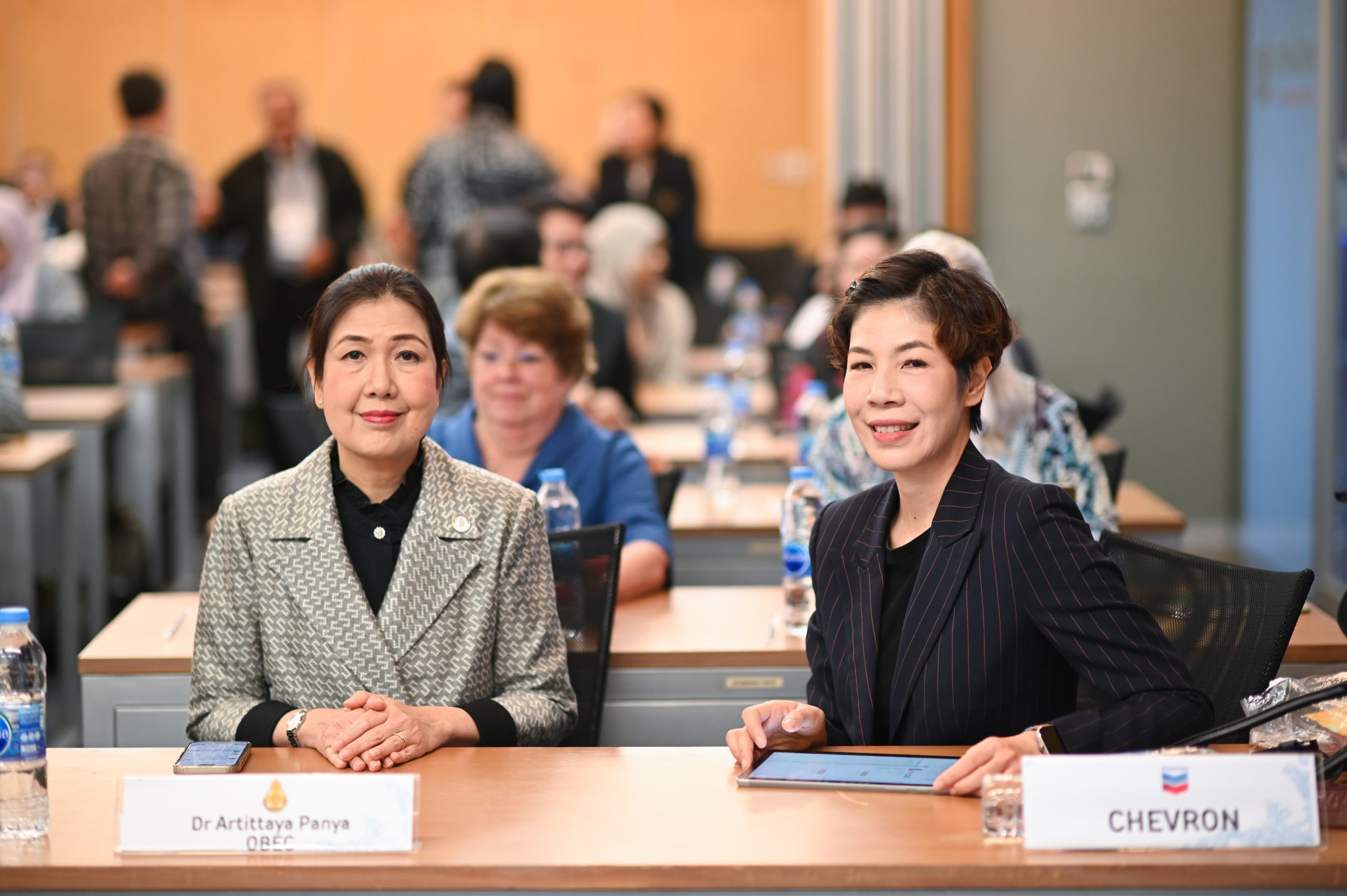
Representing the programme’s funding partner, Ms Teechawan Yanudom, Functional Compliance Management Advisor at Chevron, reaffirmed the company’s commitment to advancing STEM education as a means of equipping young people with essential problem-solving skills for the future. She highlighted Chevron’s nearly seven-year partnership with SEAMEO STEM-ED in strengthening institutional capacity, promoting evidence-based policy, and fostering a regional professional learning community. She noted that the STEM Education Leadership for Change Programme builds on these foundations by emphasising the critical role of instructional leadership, alignment with quality assurance systems, and the engagement of both school leaders and policymakers to ensure sustainable and scalable impact across education systems.
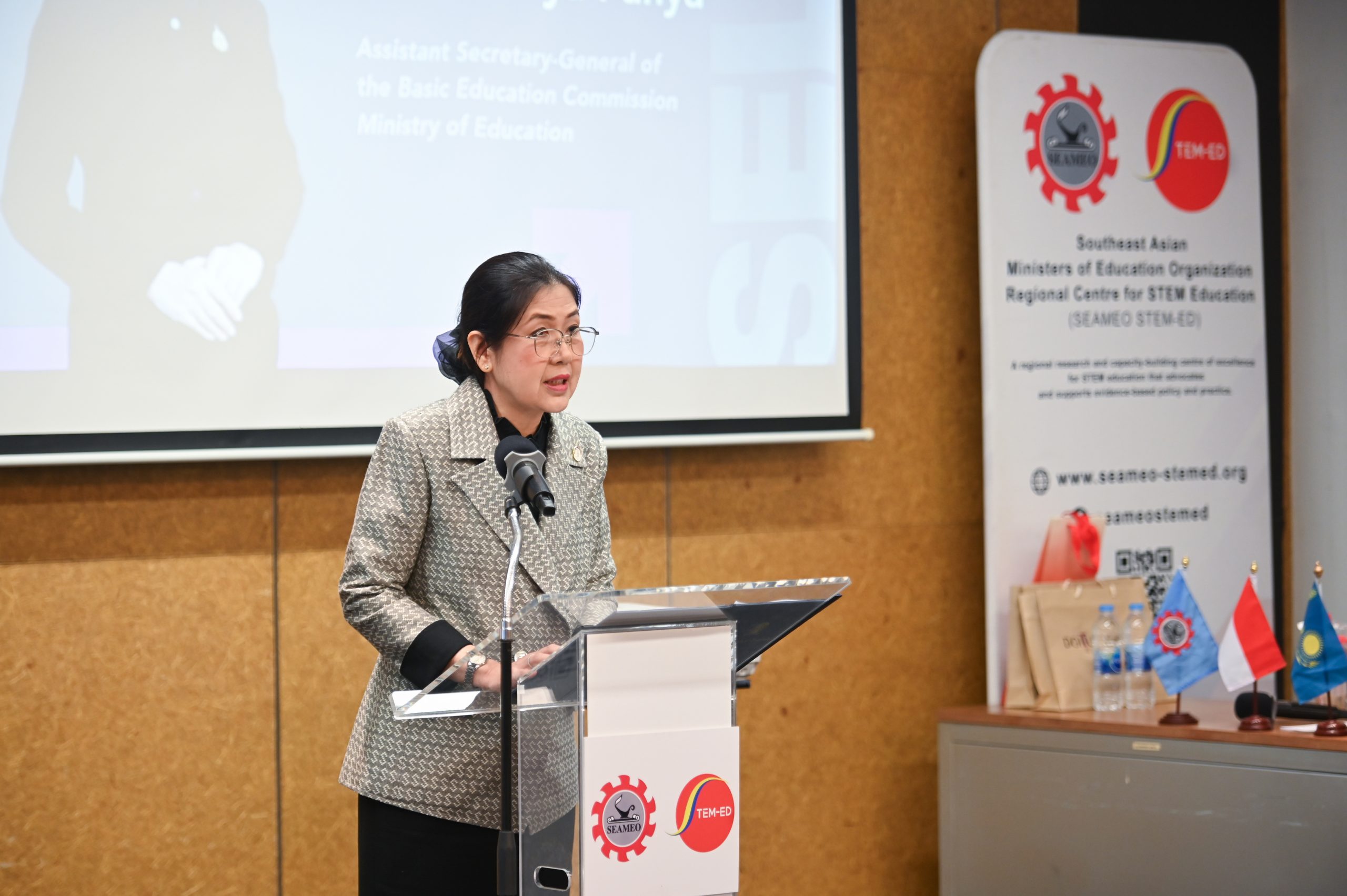
The programme also reflected regional perspectives on education reform through remarks delivered by Dr Artittaya Panya, Assistant Secretary-General of the Office of the Basic Education Commission (OBEC), Ministry of Education, Thailand. She highlighted the shared challenge of translating STEM innovation into measurable student competencies such as critical thinking, problem solving, and global citizenship, particularly within the shift toward competency-based education systems.
She emphasised the need for educational leaders to move beyond administrative roles and become instructional coaches who can support cross-disciplinary collaboration and real-world, problem-based learning. She also noted that systemic transformation requires bridging the gap between national policies, global frameworks, and local classrooms.
With Climate Education as the central theme, the programme encourages multi-disciplinary educators to design learning experiences connected to real-world environmental and societal challenges. Throughout the programme, participants will engage in collaborative curriculum design, micro-teaching, and hands-on exploration of digital STEM tools, including Floaino, SageModeler, and the Common Online Data Analysis Platform (CODAP).
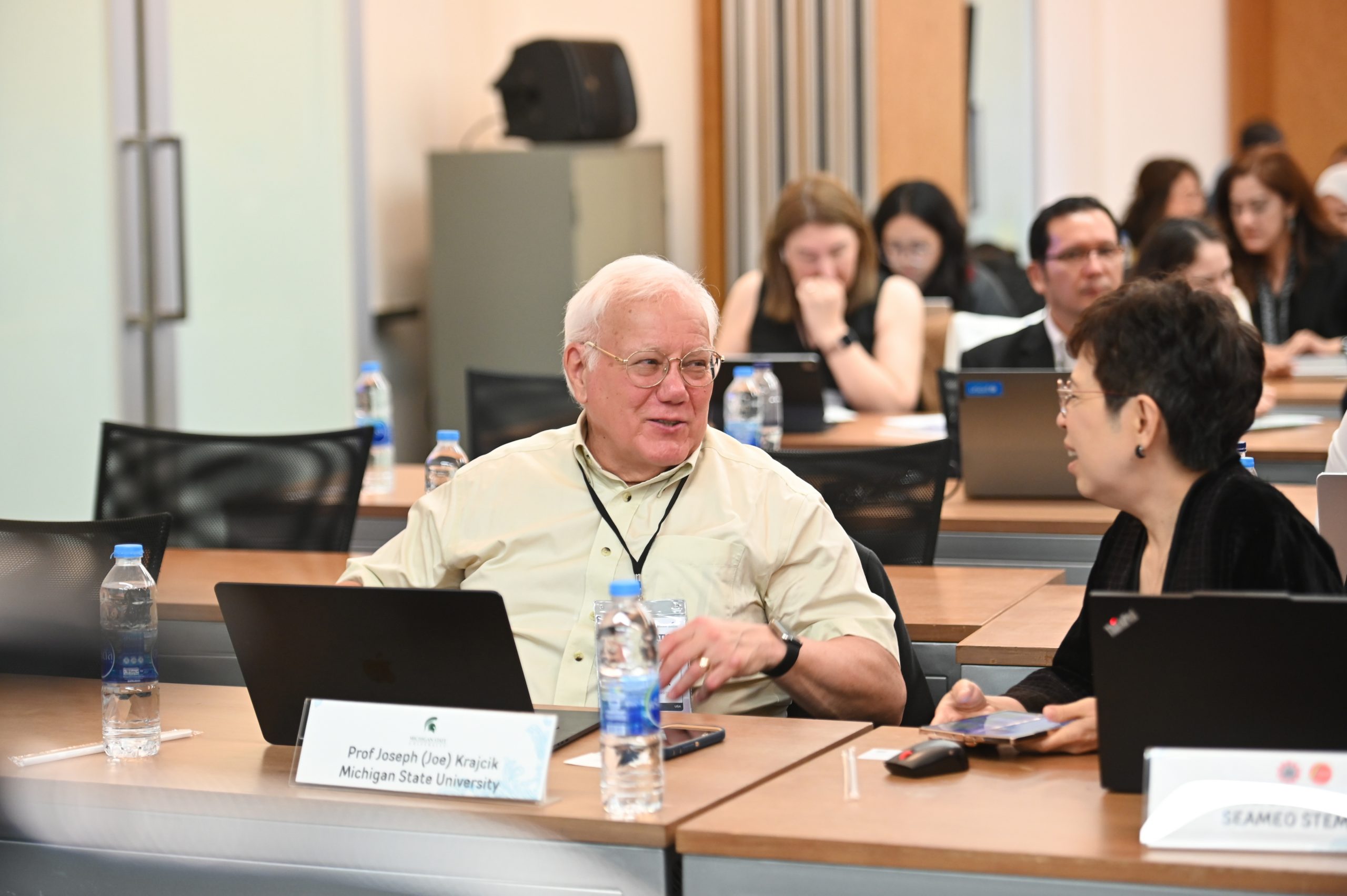
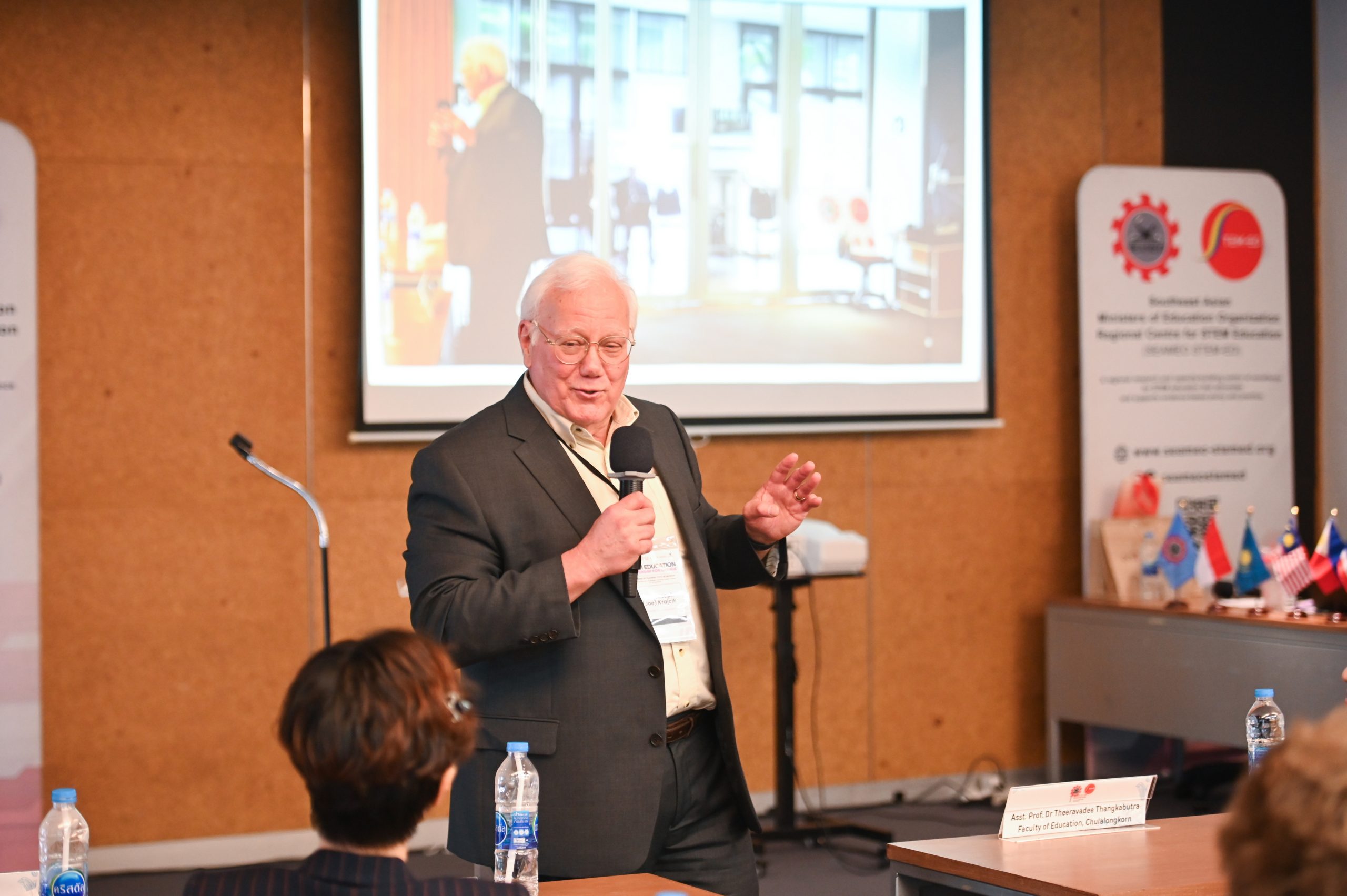
International perspectives are featured through plenary contributions from Prof Dr Joseph Krajcik, Director of the CREATE for STEM Institute, Michigan State University, along with Ms Yadana Nath Desmond, Ms Juliette Guarino Berg, and Ms Kate Macaulay of STEM Teachers NYC, and
Ms So Chenda Samreth of the UNESCO Office for Climate Education (OCE). Their sessions focus on advancing STEM pedagogy, instructional leadership, and climate-responsive education.
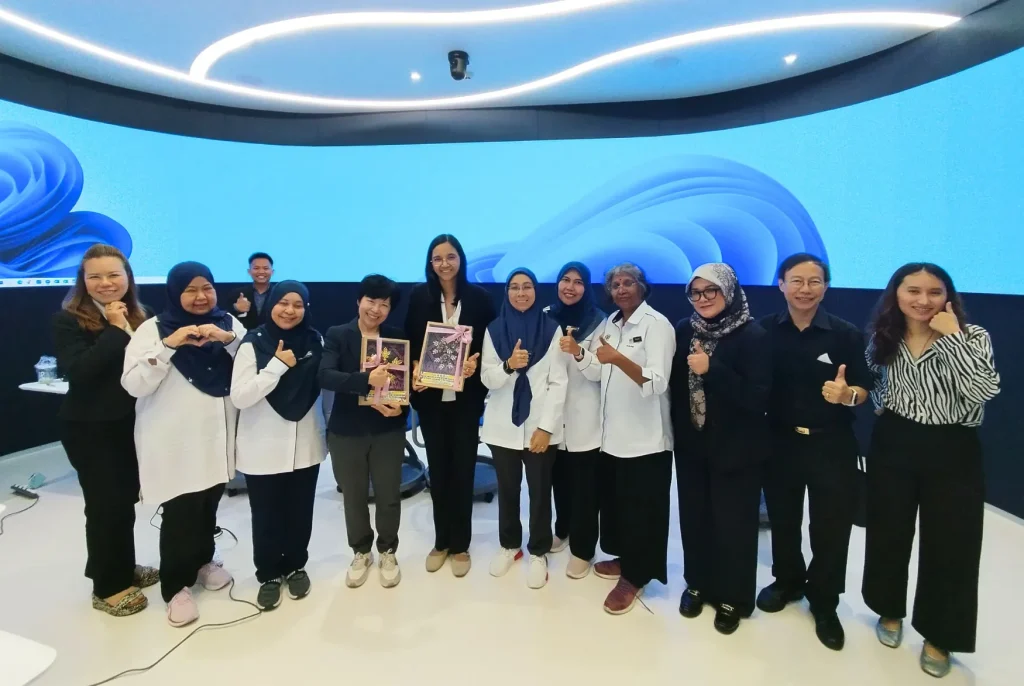
The workshop is expected to contribute to the development of a regional network of expert trainers, strengthened professional development systems, and deeper collaboration among institutions working to advance STEM education across Southeast Asia.