Green Gen Initiative

2025 - 2026

About The Project

Today, the world faces severe climate change, necessitating a swift transition toward a “Green Economy.” Thailand has committed to achieving Carbon Neutrality by 2050. However, a significant challenge remains: the “Skills Gap” among youth and the workforce, particularly regarding “Green Skills” and “Systems Thinking” required to address complex environmental issues.

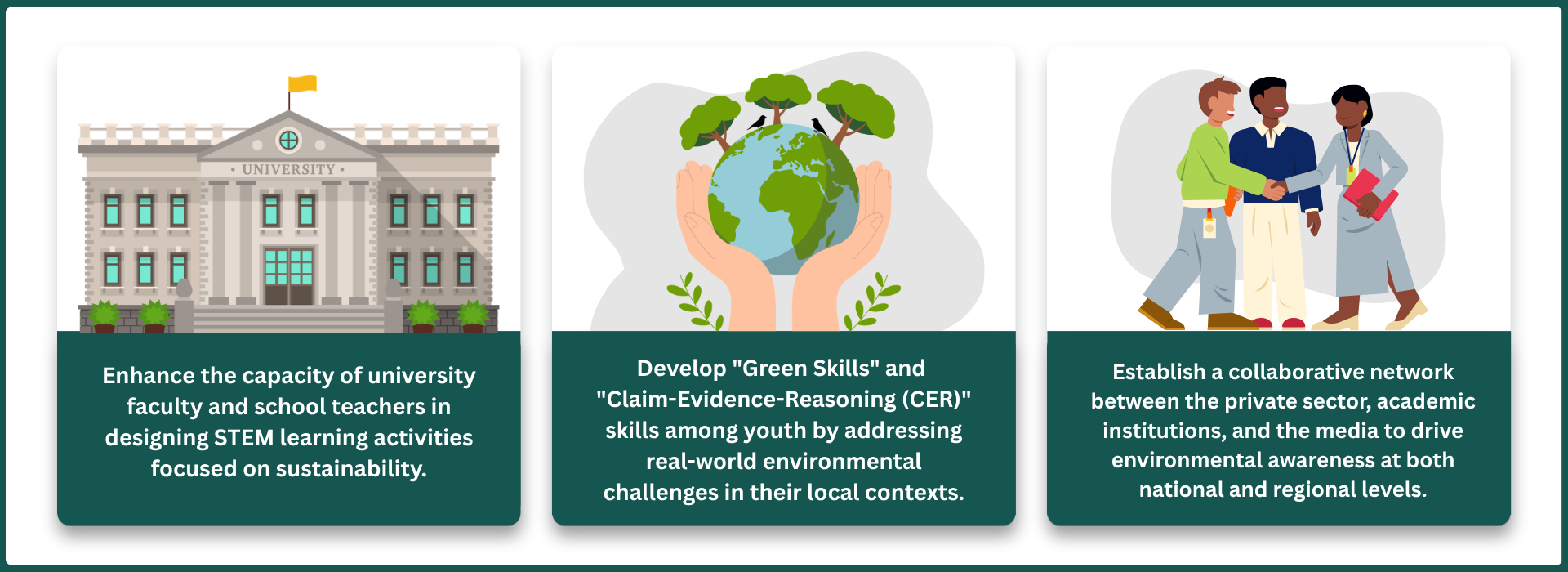
The Deloitte Green Gen Initiative was established through a strategic partnership between Deloitte ICS (Thailand) and SEAMEO STEM-ED, grounded in the belief that “Education” is the cornerstone of sustainable development. The project aims to create a learning ecosystem that localizes international expertise through a network of four partner universities. Its goal is to empower teachers and students to become change agents who can analyze environmental problems using scientific evidence and communicate creatively for the sustainability of their communities.

Partners

Latest Update

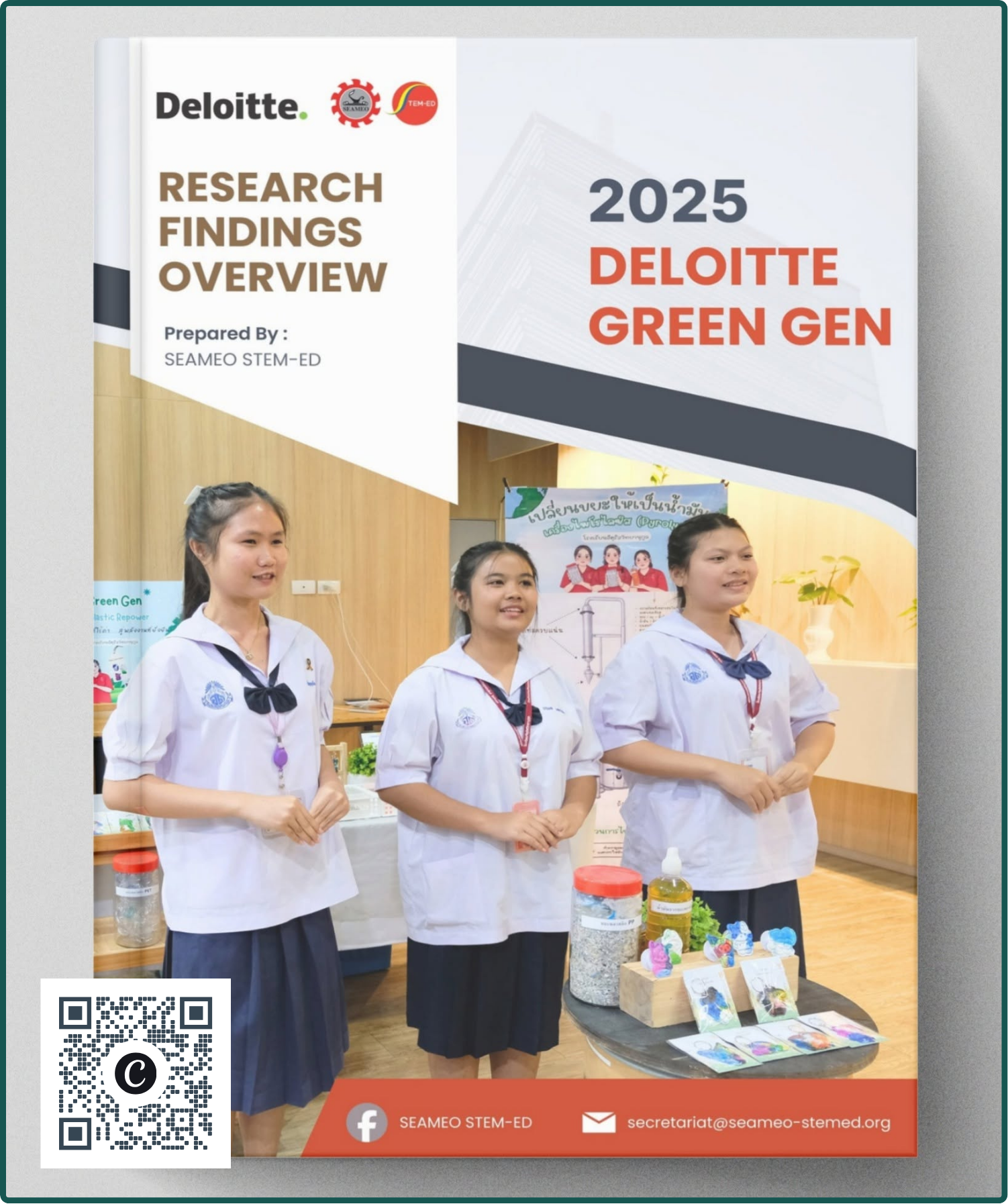
The Summary Report is Now Available!

We are pleased to share the Summary Report from the Deloitte Green Gen Project Research, a collaborative initiative between Deloitte Thailand and SEAMEO STEM-ED. The report was officially presented during the webinar “Empowering Green Generations: Lessons Learned from the Deloitte Green Gen Project”, held on 12 February 2026.

The report highlights key insights from students, educators, and university faculty on developing green skills, strengthening climate awareness, and inspiring meaningful climate action.

Let us continue empowering young people to build a more sustainable future.

Read the Summary Research Report: https://www.seameo-stemed.org/wp-content/uploads/2026/03/1_Deloitte-Green-Gen-Research-Report.pdf

Watch the Webinar Recording: https://youtube.com/live/M5BJQpetZKY
Goals and Objective

The design of the Deloitte Green Gen Initiative is rooted in “Authentic Problem-Based Learning,” structured around four key pillars:

  1. 3D Learning Framework: Integrates Core Ideas, Science and Engineering Practices, and Crosscutting Concepts to ensure students develop a systemic understanding of sustainability.
  2. Claim-Evidence-Reasoning (CER): A scientific explanation framework that trains students to formulate Claims supported by empirical Evidence and logical Reasoning, ensuring their social campaigns are scientifically grounded.
  3. Digital Simulation Tools: Leveraging world-class resources from the Concord Consortium and the SageModeler to provide digital simulations (e.g., wildfire spread or flood modeling). These tools allow learners to visualize complex variables and practice Systems Thinking.
  4. University-School Mentoring Model: Utilizing partner universities as “Coaches” for participating schools. This model ensures the continuous transfer of expertise and monitors the implementation of learning units in real classroom settings.

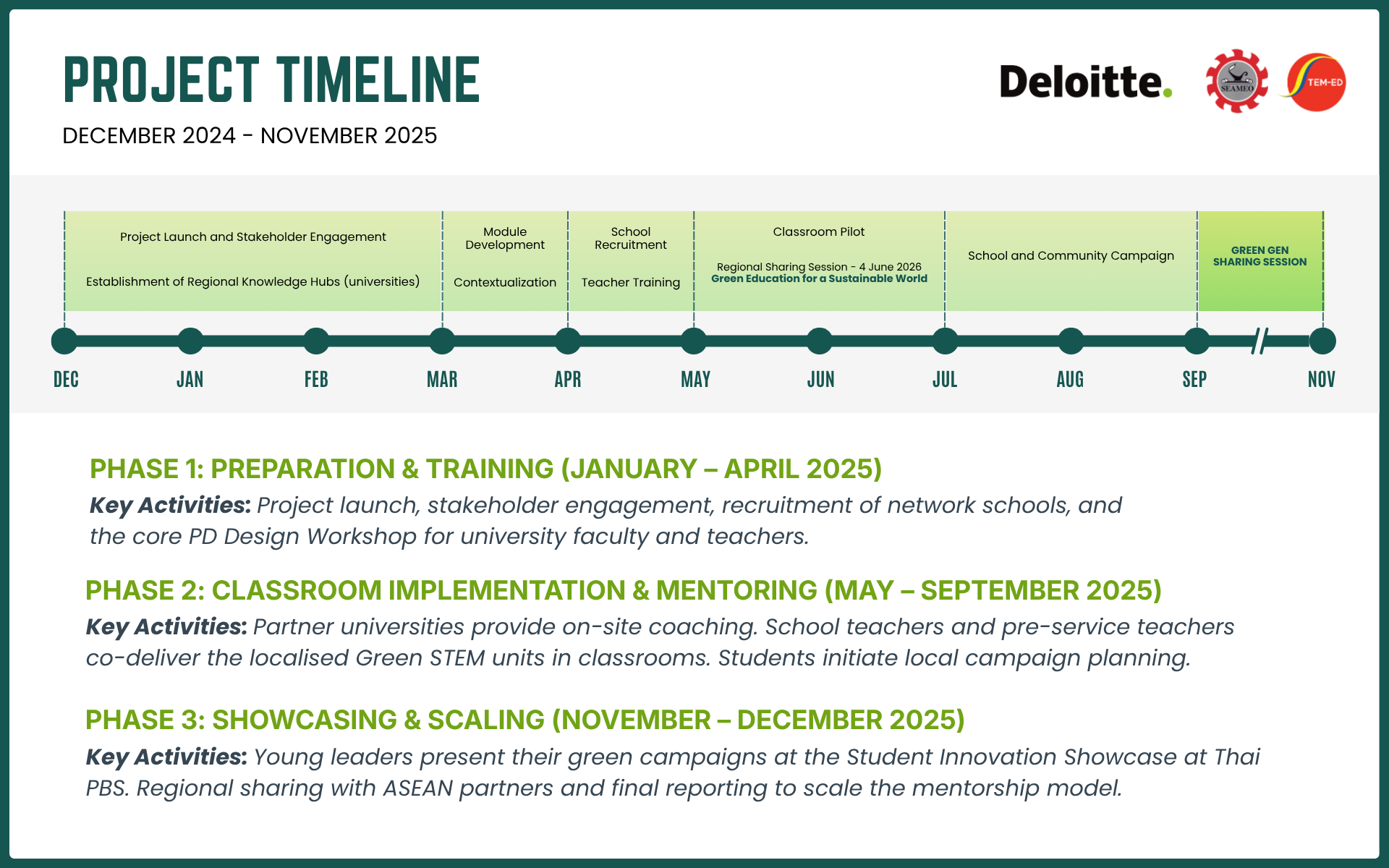
Timeline

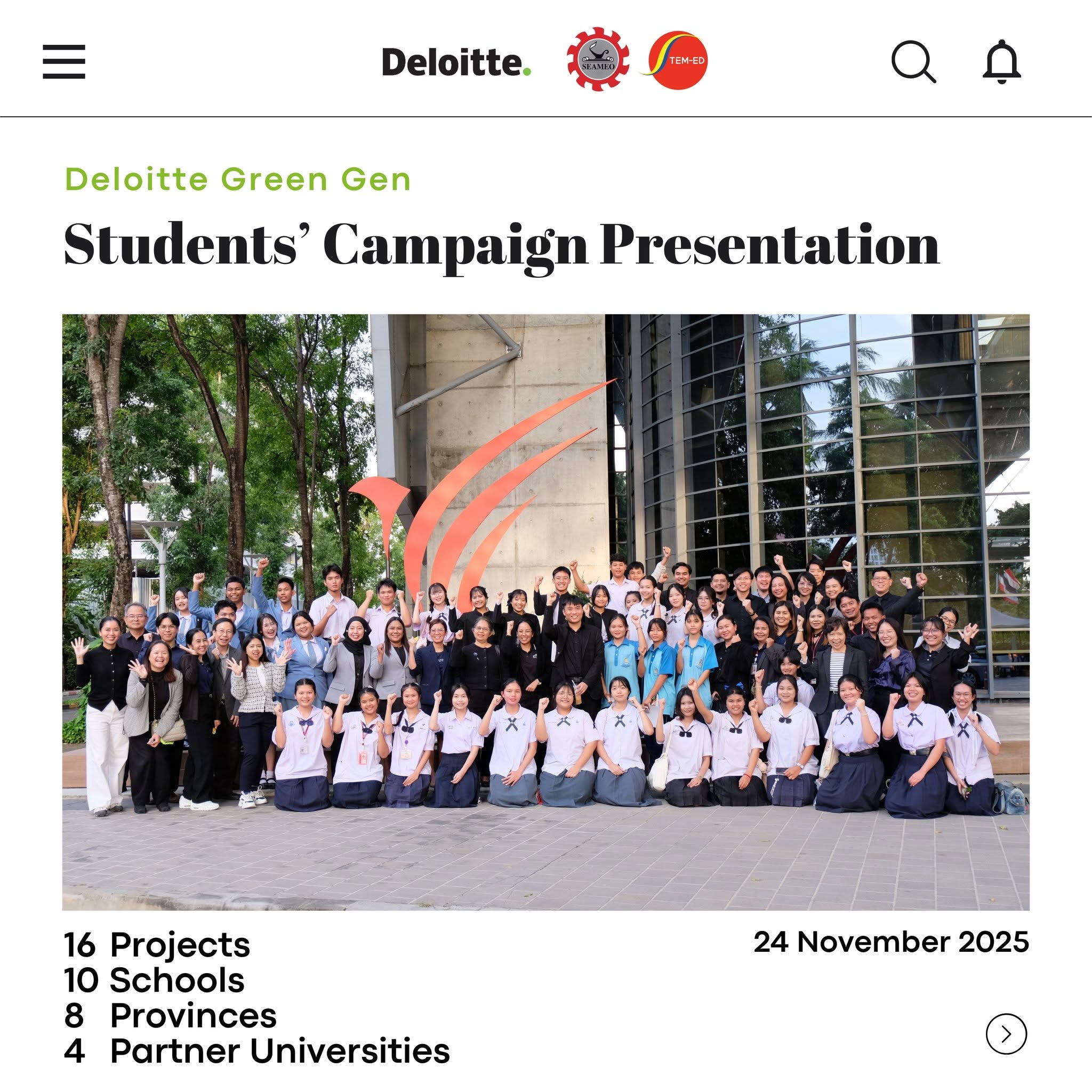
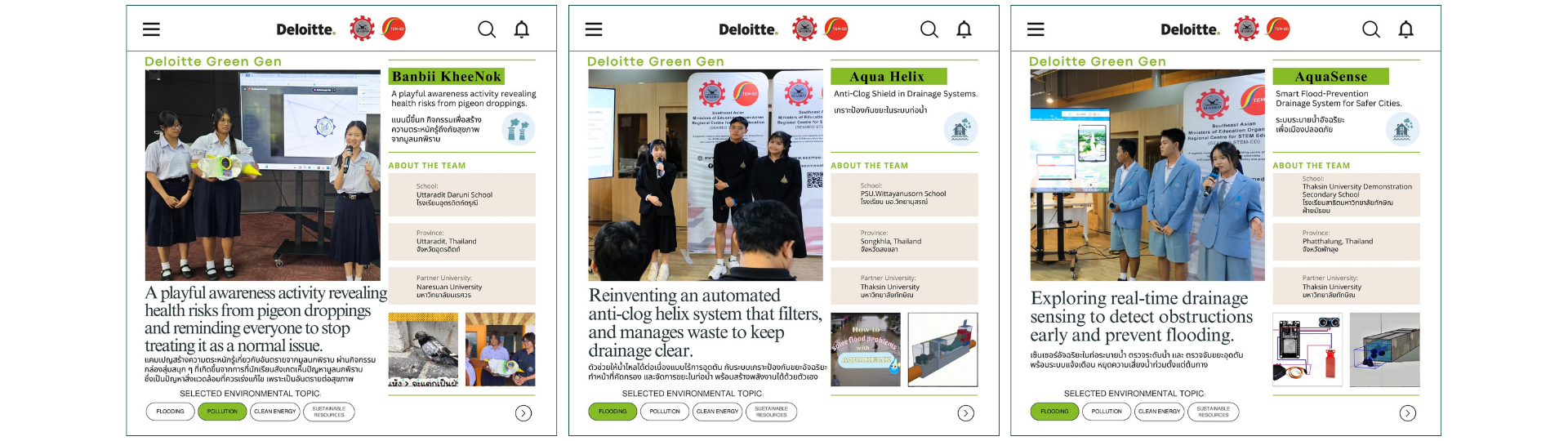
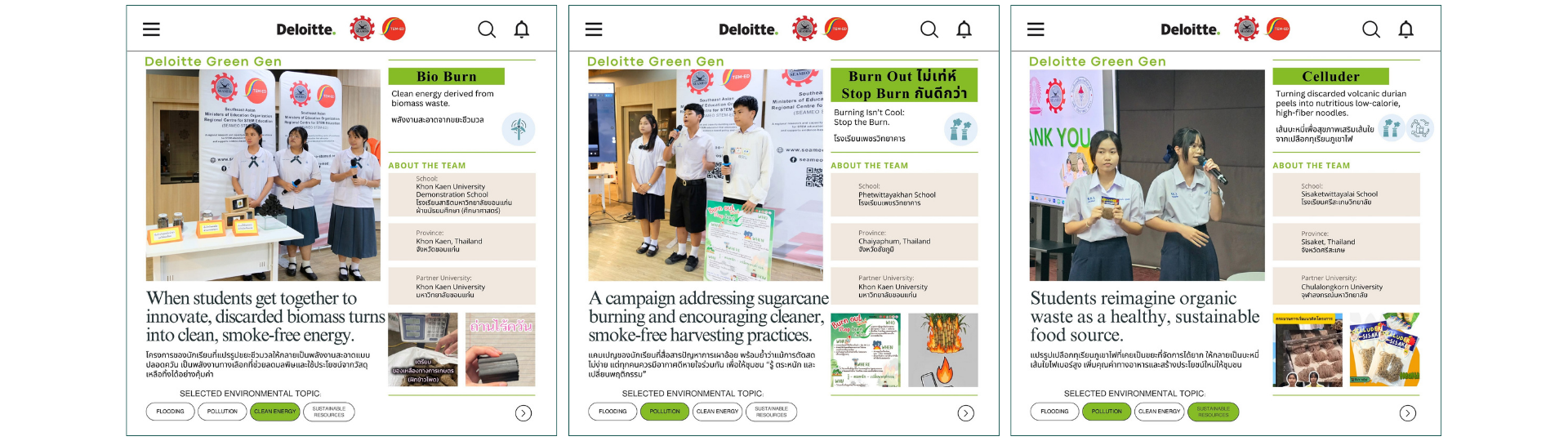
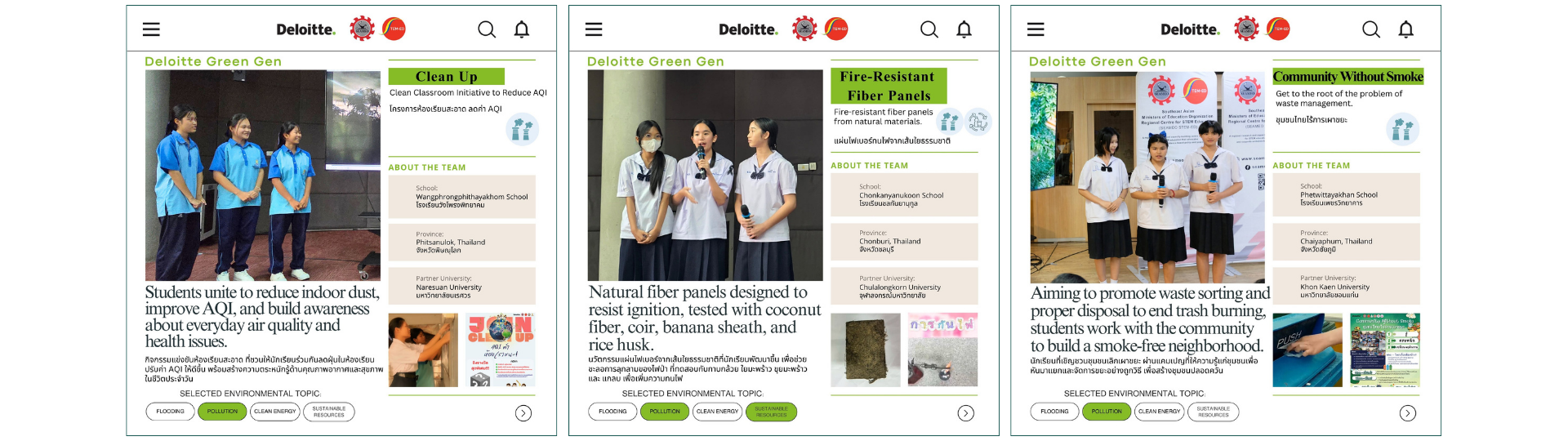
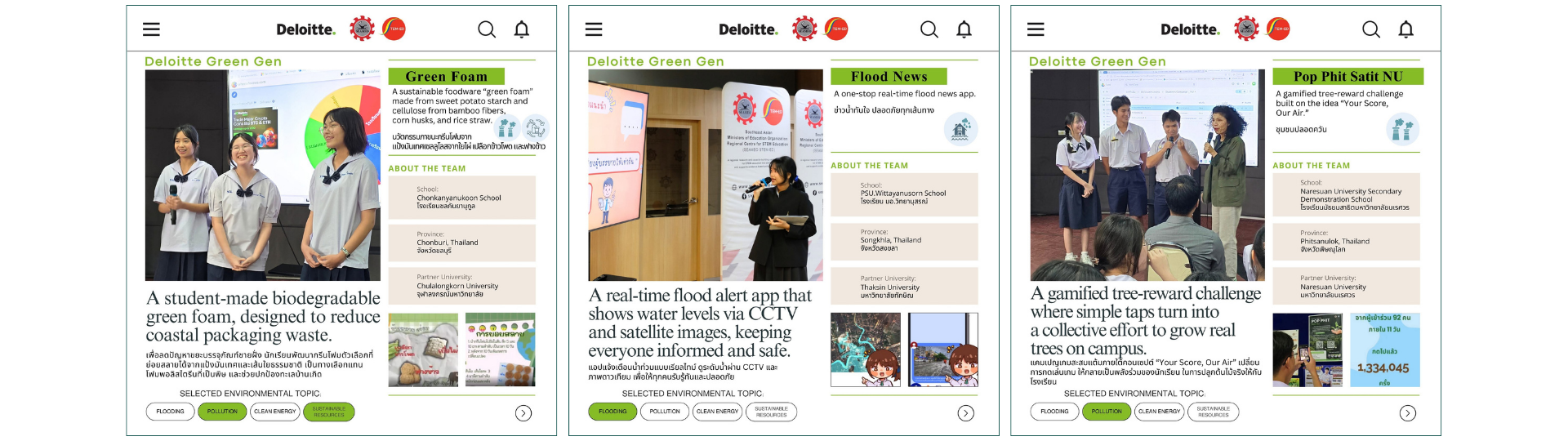
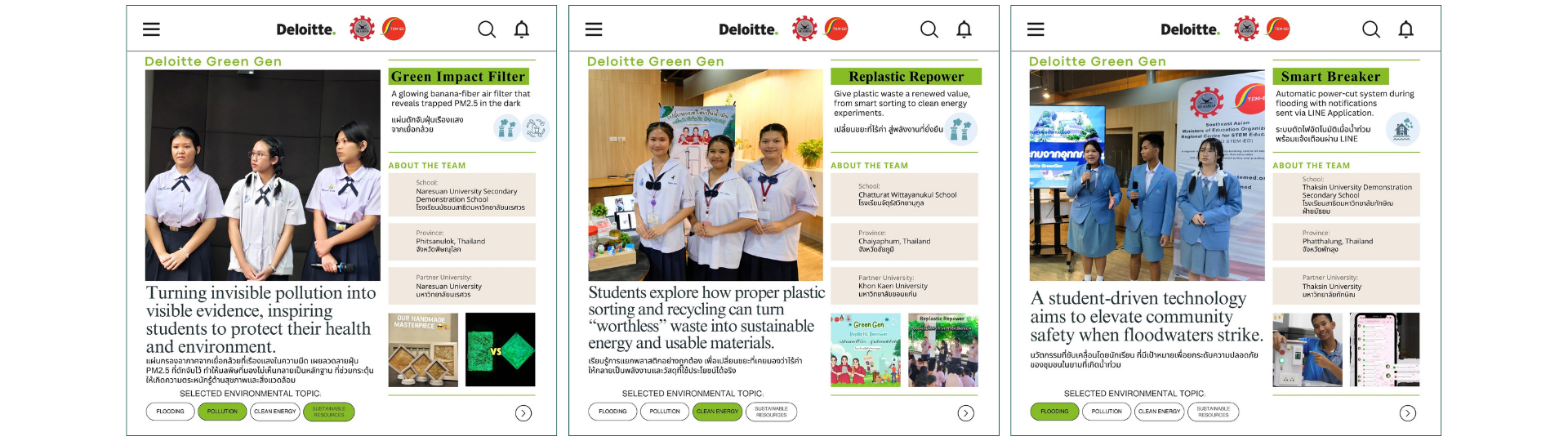
Student Projects


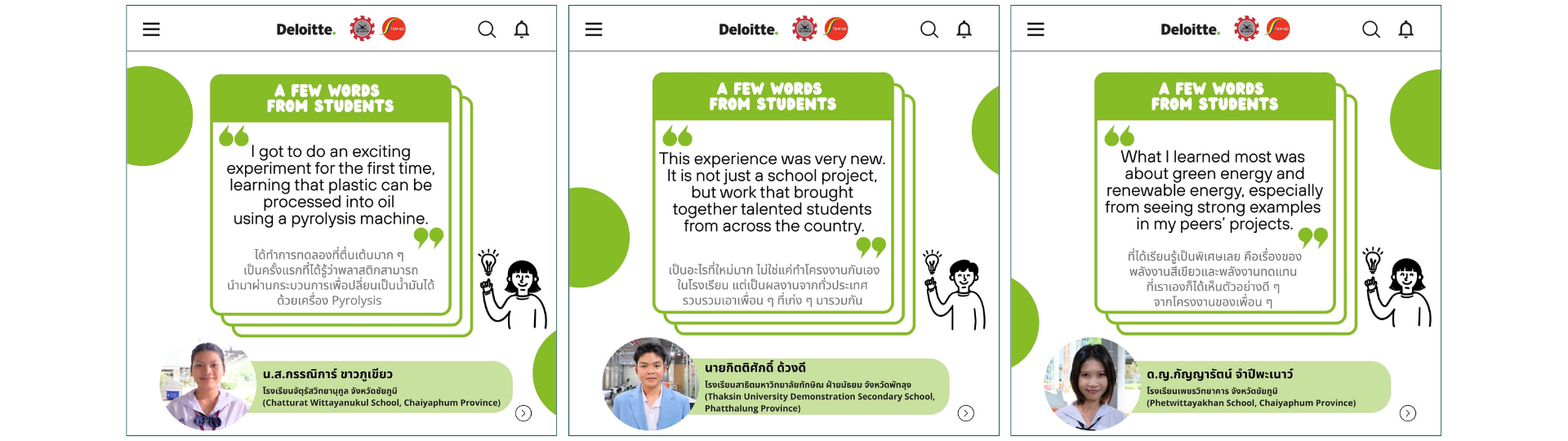
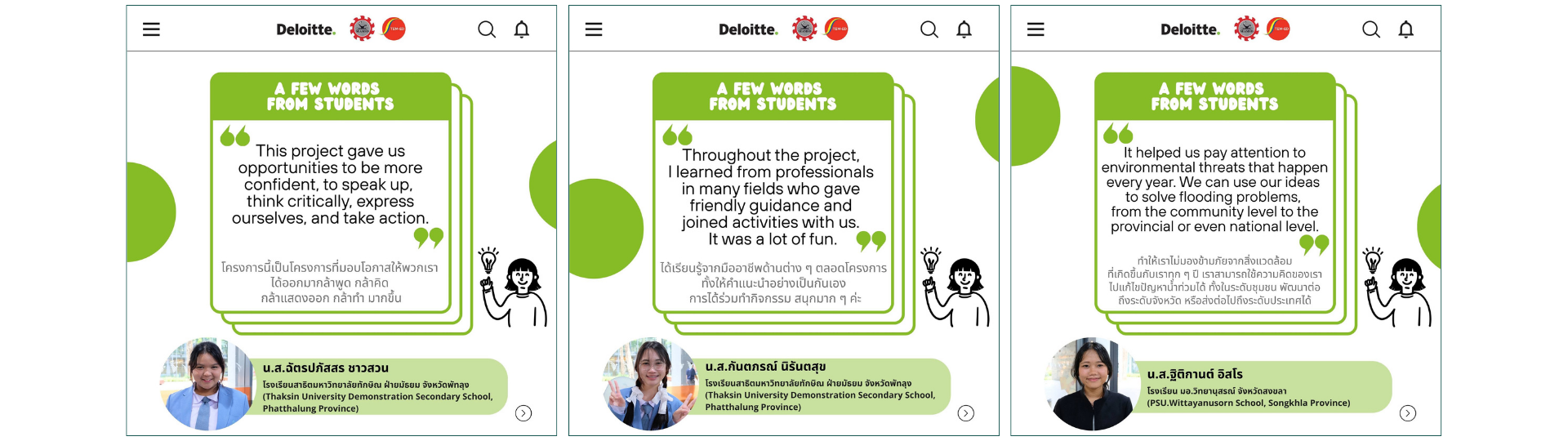
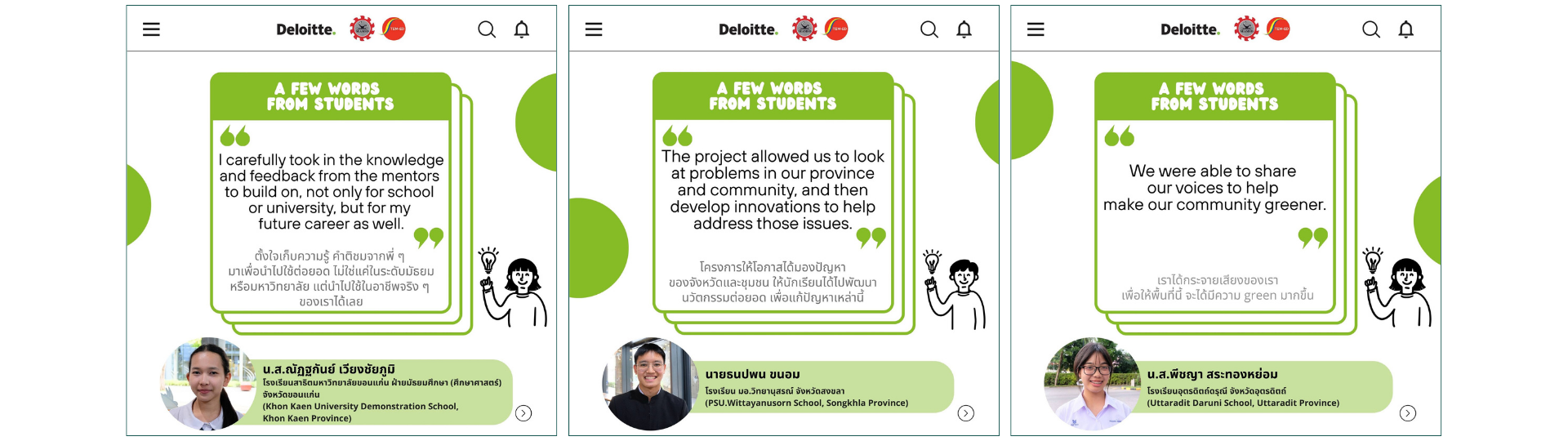
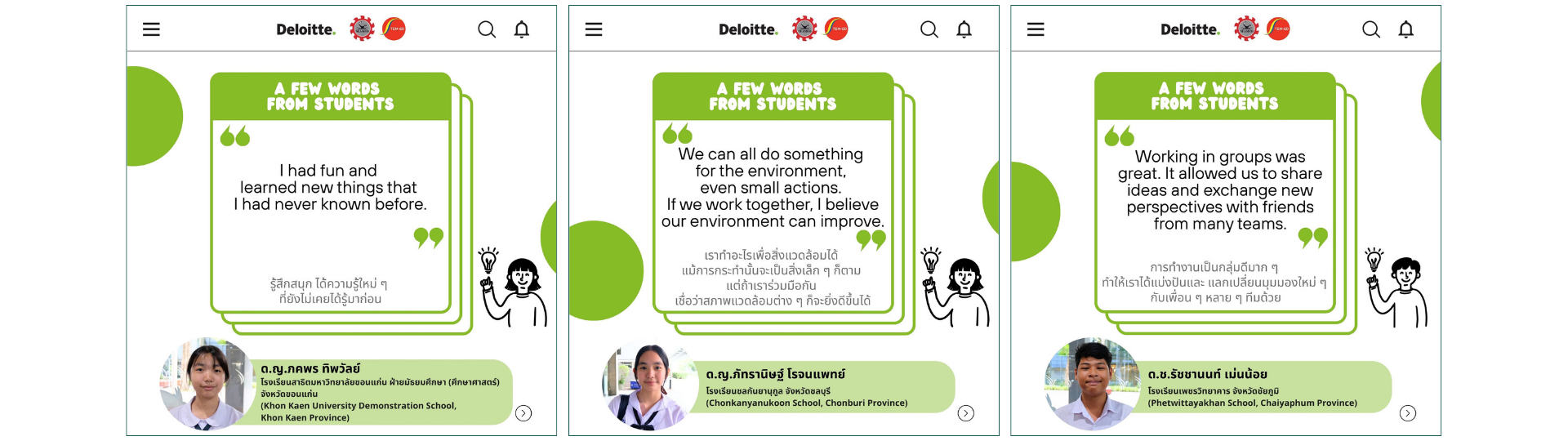
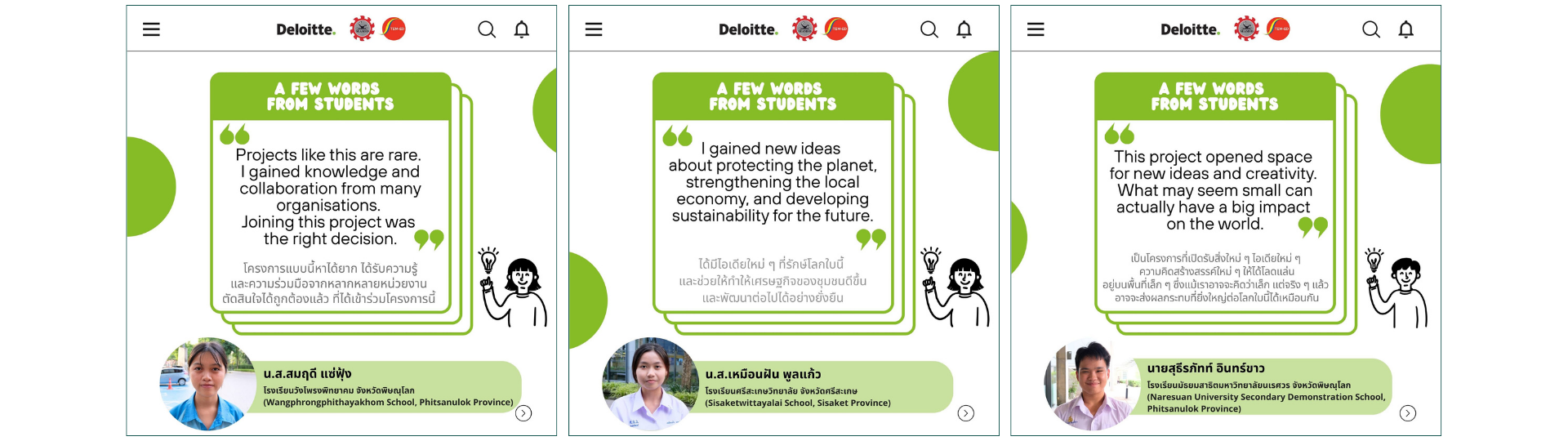
Student Insights

Resources

Green Gen Research Report
go to link
Green Gen Research Sharing Webinar
go to link